
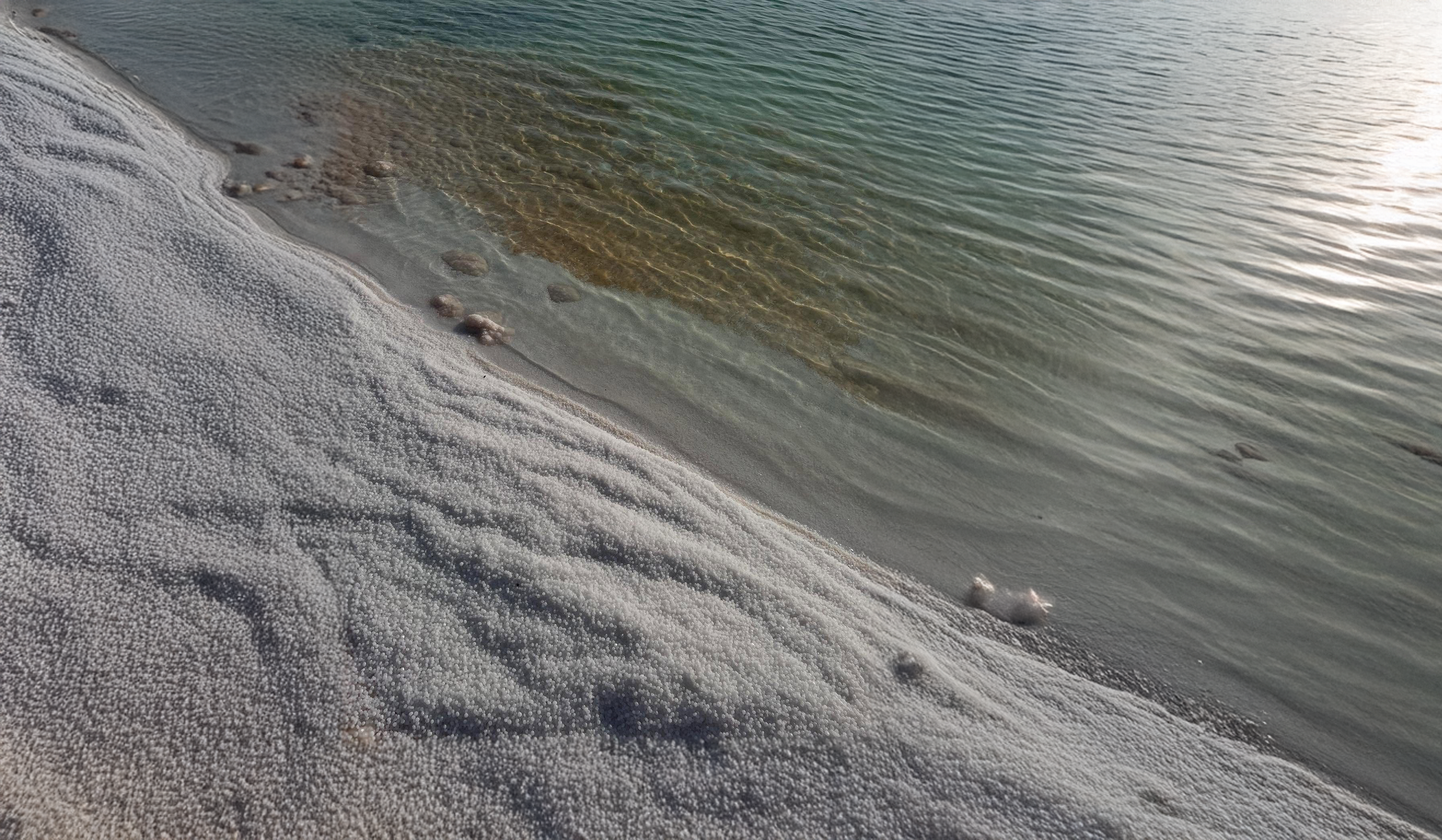
S O L A N
BY CROWN PLAZA
SOLAN BY CROWNE PLAZA DEAD SEA
“WHERE THE HORIZON LEARNS THE LANGUAGE OF LUXURY.”
Born from the light, salt, and silence of the Dead Sea, Solan is a transformative design and development initiative dedicated to redefining contemporary Jordanian hospitality.
It unites architecture, nature, and experience under one seamless identity — a quarter reborn into a sanctuary of calm strength and quiet sophistication.
Conceived as a resort within a resort, Solan transcends simple renovation; it is a revival of spirit, of form, and of purpose — where every detail, from the engineered salt beach to the crafted teak horizon decks, speaks the language of refinement.
More than a destination, Solan represents a new rhythm of living, where elegance emerges not from excess, but from the purity of light, texture, and intention.
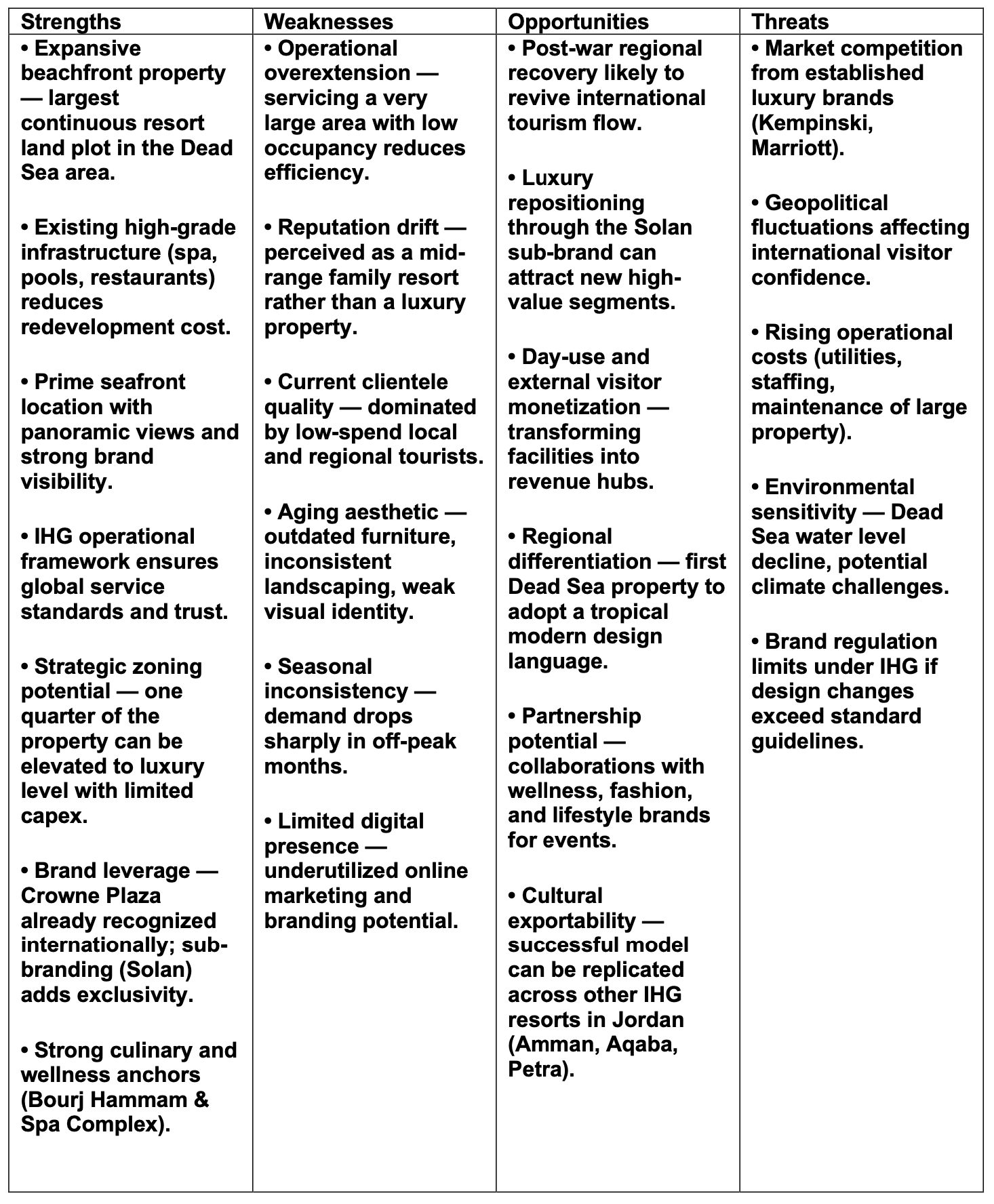
SWOT Analysis — Solan Initiative / Crowne Plaza Dead Sea
Strategic Positioning & Brand Architecture Framework
(For the “Solan by Crowne Plaza Dead Sea” Initiative)
-
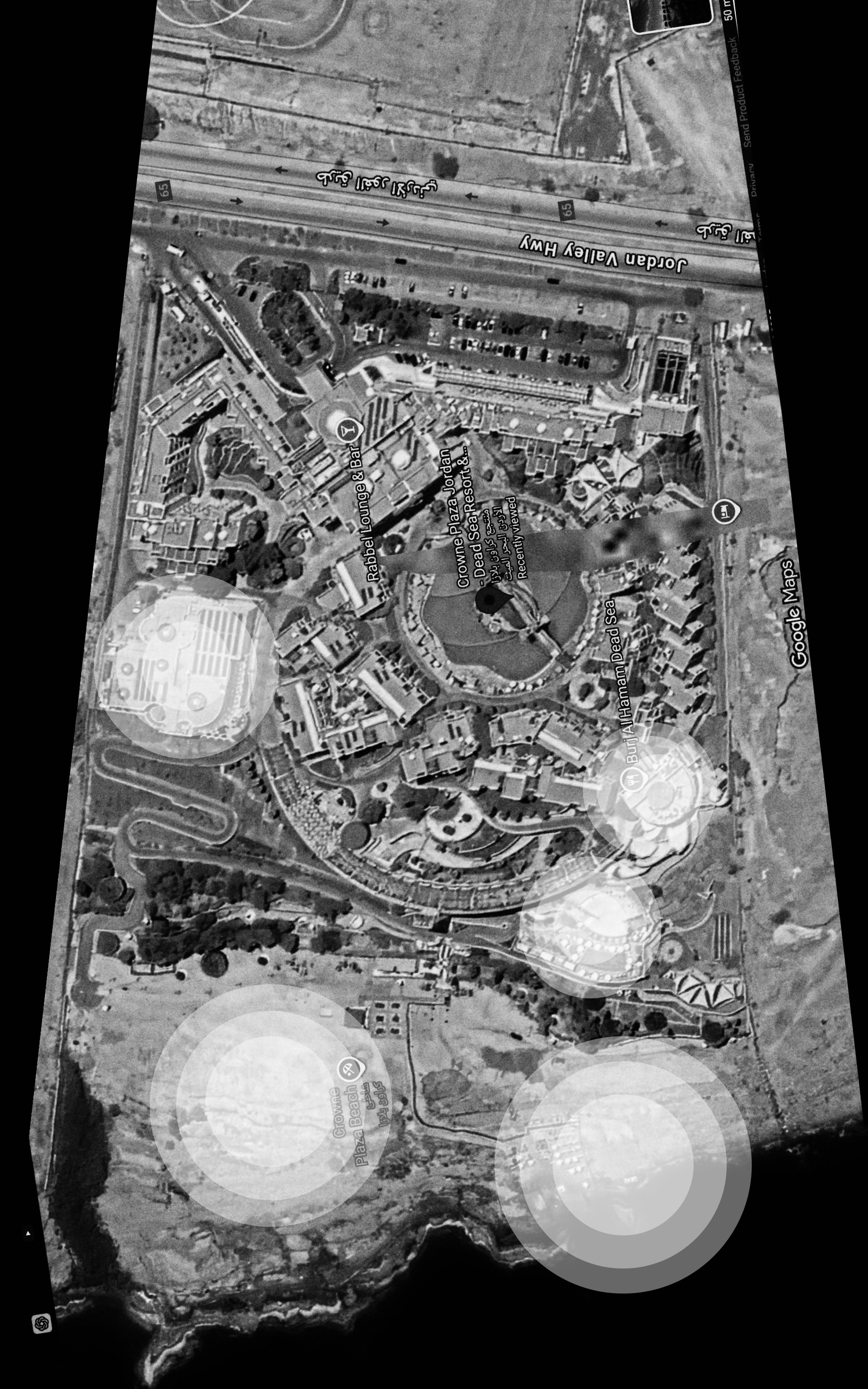
The Dead Sea redevelopment program is not a single project — it is a multi-node initiative consisting of 4–5 interconnected sub-projects:
1. Bourj Hammam (Gastronomic anchor)
2. The Spa Complex (Wellness & rejuvenation)
3. Adults-Only Infinity Pool / Sunset Deck
4. Solan Beach Club (Private Beachfront Development)
5. (Optional sub-zone) Public Beach Upgrade
Because each of these elements targets a different market tier and experience type, the initiative must function as a micro-ecosystem within the Crowne Plaza Dead Sea — a “resort within a resort.”
6.2 Legal & Brand Affiliation Scenarios
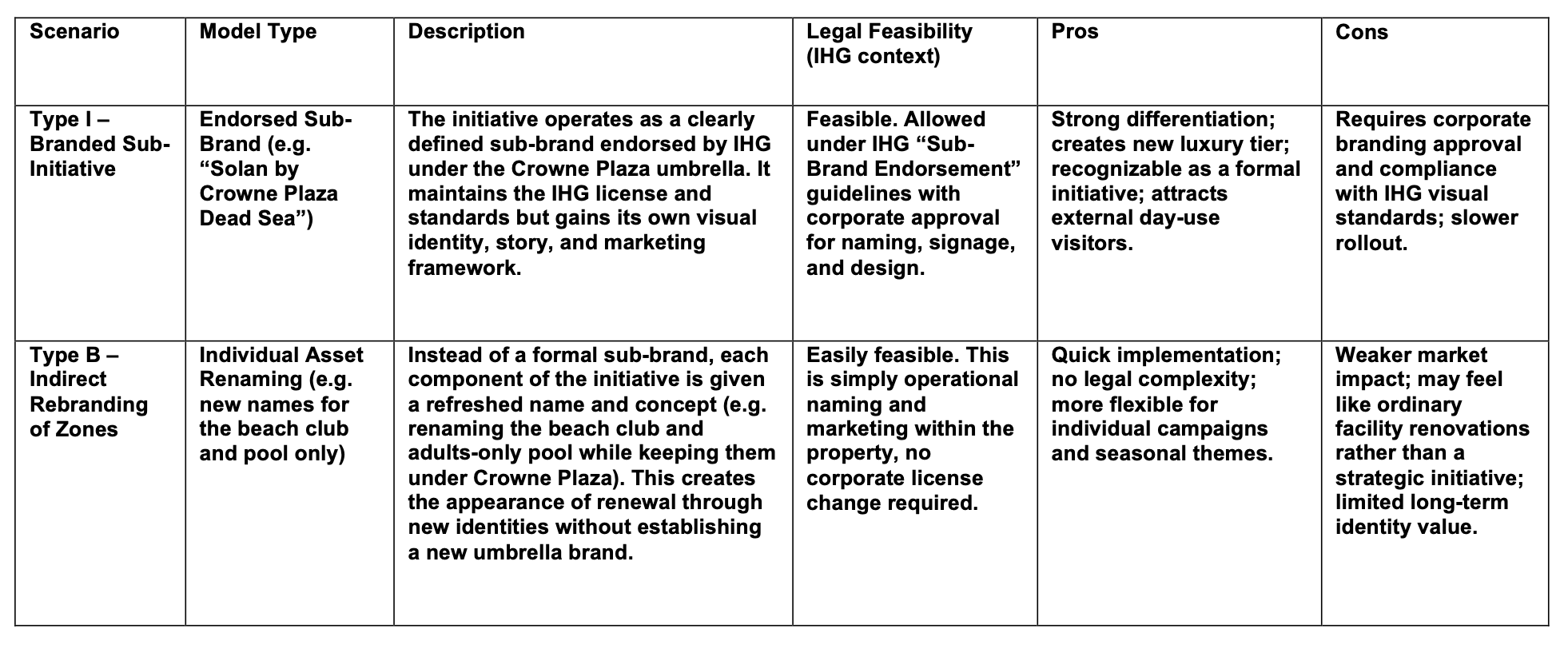
✅ Recommended Hybrid Strategy:
Adopt Type I (Sub-Brand Endorsement) under the name “Solan by Crowne Plaza Dead Sea.”
This provides the perception of a new premium tier within the same property while keeping full IHG compliance and avoiding new licensing.
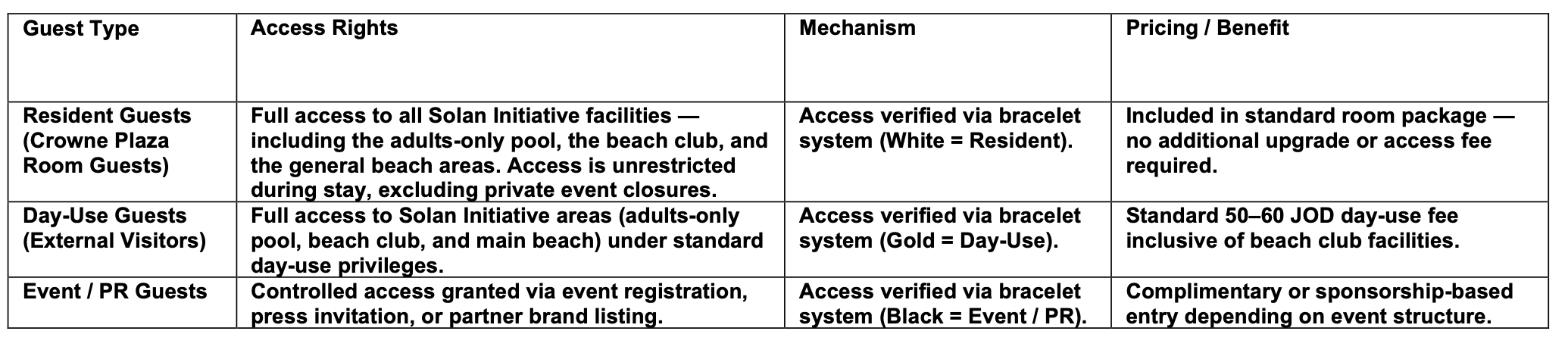
6.3 Operational Framework – Access & Segmentation
6.6 Spatial & Environmental Upgrade Scope
To reinforce the identity across the entire “Lower Quarter”:
• Unified Landscaping: new flora palette (palm-olive blend, dune grass, desert white pebbles)
• Lighting Identity: sunset-tone LED path lights along the walkways
• Wayfinding & Signage: elegant bilingual (Arabic/English) bronze plates with Solan insignia
• Uniforms & Details: new hospitality attire color-coded in Salt Beige with copper logo embroidery
6.7 Executive Rationale
“Solan by Crowne Plaza Dead Sea” is not merely a renovation — it is a brand-within-a-brand transformation.
By activating a 25 % luxury quarter through a sub-branded identity, Crowne Plaza regains aspirational positioning, attracts external high-spend visitors, and establishes a replicable model for other IHG properties in Jordan (Dead Sea, Amman, Petra, Aqaba).
Visual & Material Direction Framework
Design Philosophy
“Desert Salt Luxury” – a new interpretation of Mediterranean purity expressed through mineral textures, soft light, and organic geometry.
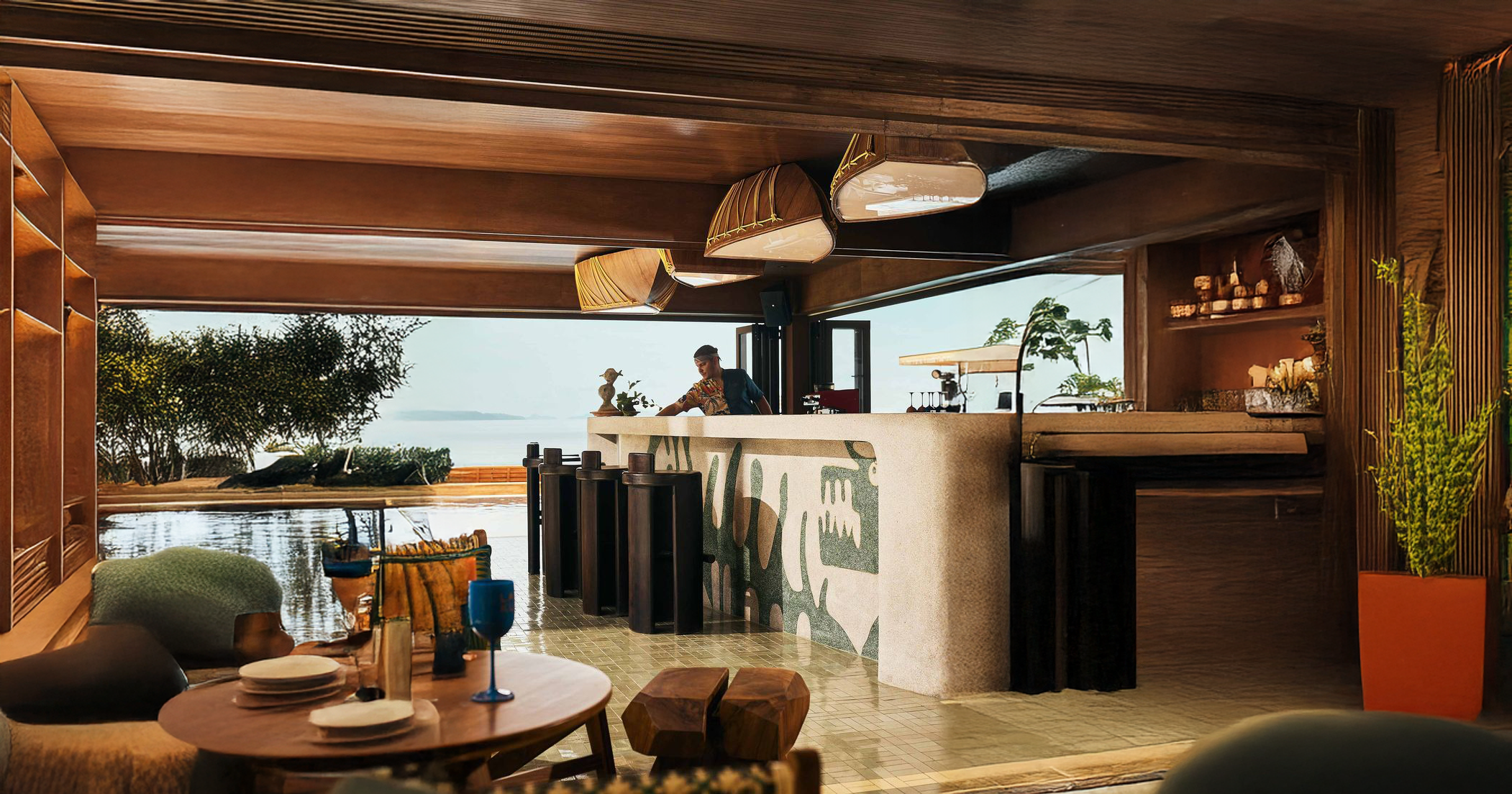
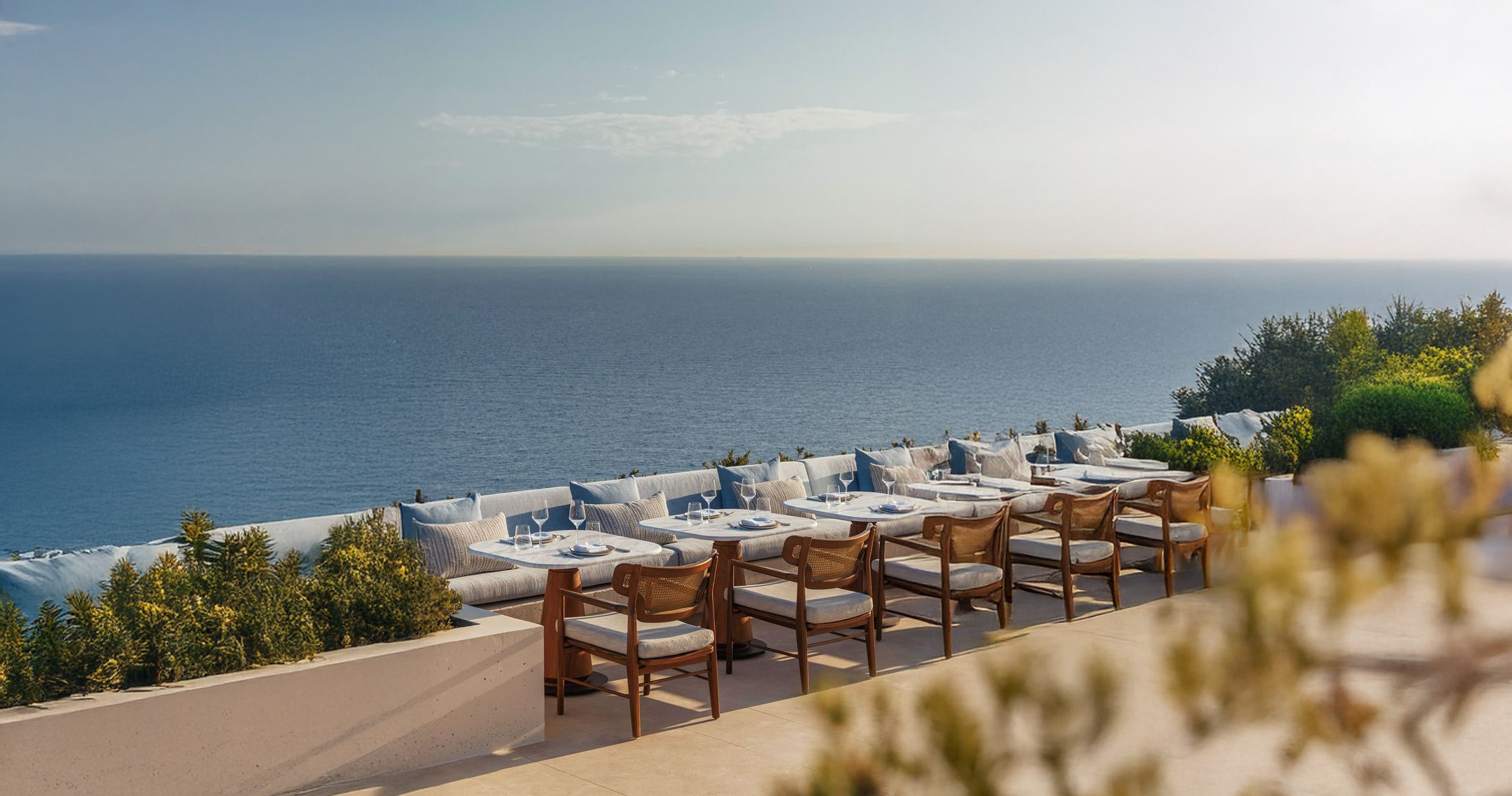
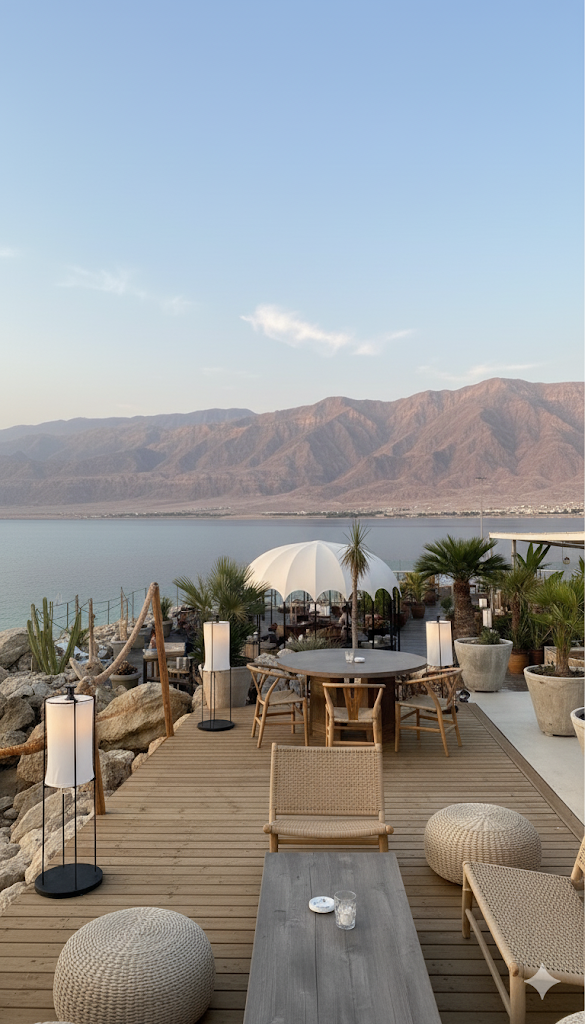
The visual direction of the Solan Initiative embraces refined naturalism — blending the mineral language of the Dead Sea with the tactile comfort of contemporary coastal design.
It does not imitate Dubai-style opulence or rustic bohemian clichés, but rather seeks a calm, slow luxury that reflects Jordan’s desert identity elevated to a global aesthetic standard.
Core Stylistic Axis:
• Architectural Mood: Mid-Century Modern → Ultra-Contemporary Resort Minimalism
• Material Ethos: Raw, tactile, honest surfaces combined with polished elements for visual balance
• Lighting Philosophy: Golden-hour gradient — warm low sunlight tones, no harsh white light
-
• The overall look is minimal yet warm — tropical materials such as teak, rope, linen, and limestone, combined with soft whites and sand tones.
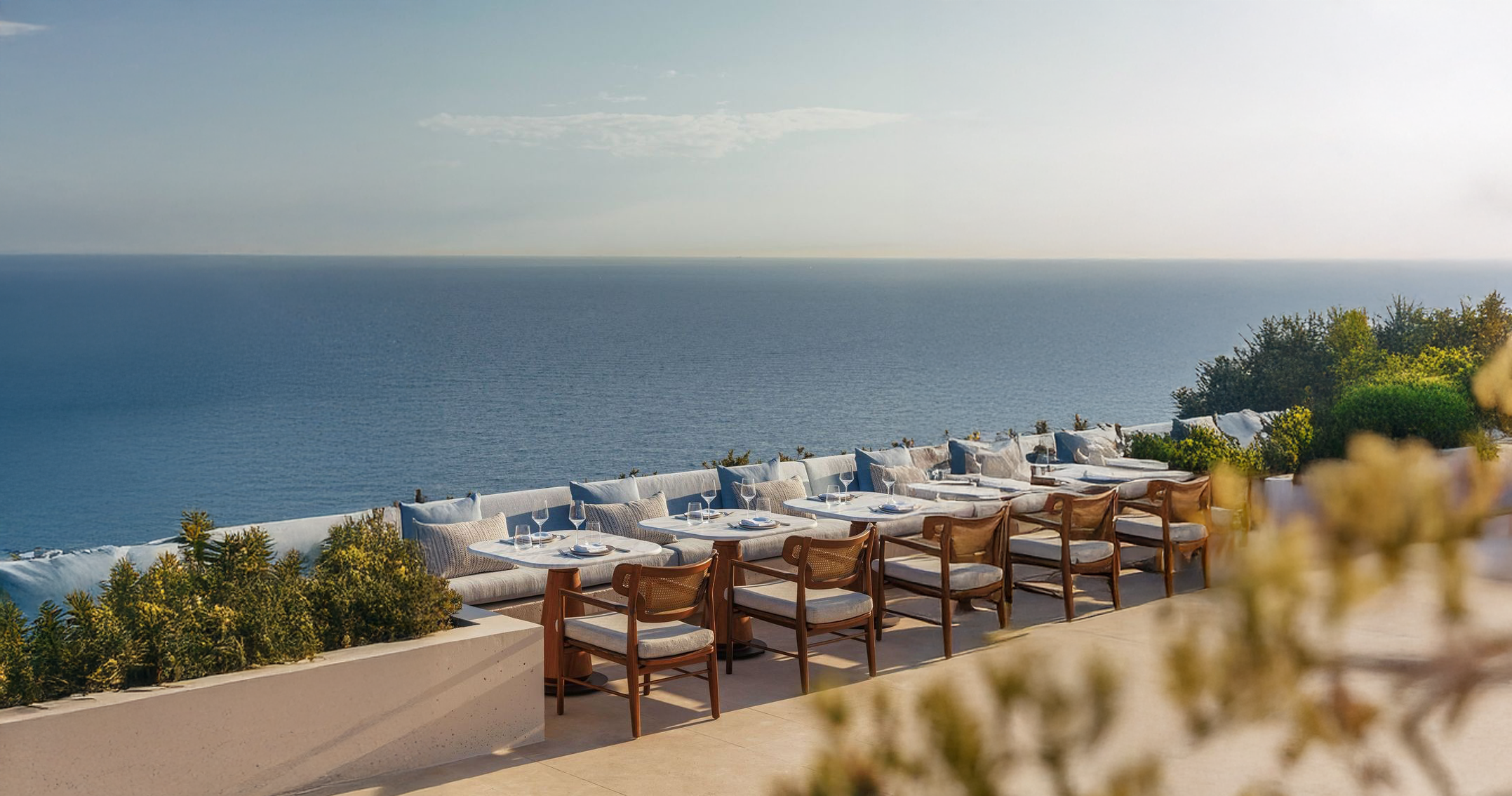
• Architectural lines remain open, floating, and horizontal, framing the sea and horizon.
• Structural materials: pale limestone, sand-polished concrete, warm teak, and brushed bronze details.
• Furniture direction: low, soft, handcrafted; pieces that look sculpted rather than industrial — smooth rounded edges, neutral fabrics, and woven natural fibers.
• Textures are matte, porous, and breathable — nothing glossy or plastic.
• Lighting remains low, diffuse, and amber-based, reflecting the sunset rhythm of the Dead Sea.
• Overall mood: tropical sophistication — not rustic, not futuristic — timeless, calm, and fluid.
1. The Salt Shore Initiative
World’s First Serviced Salt Beach Experience
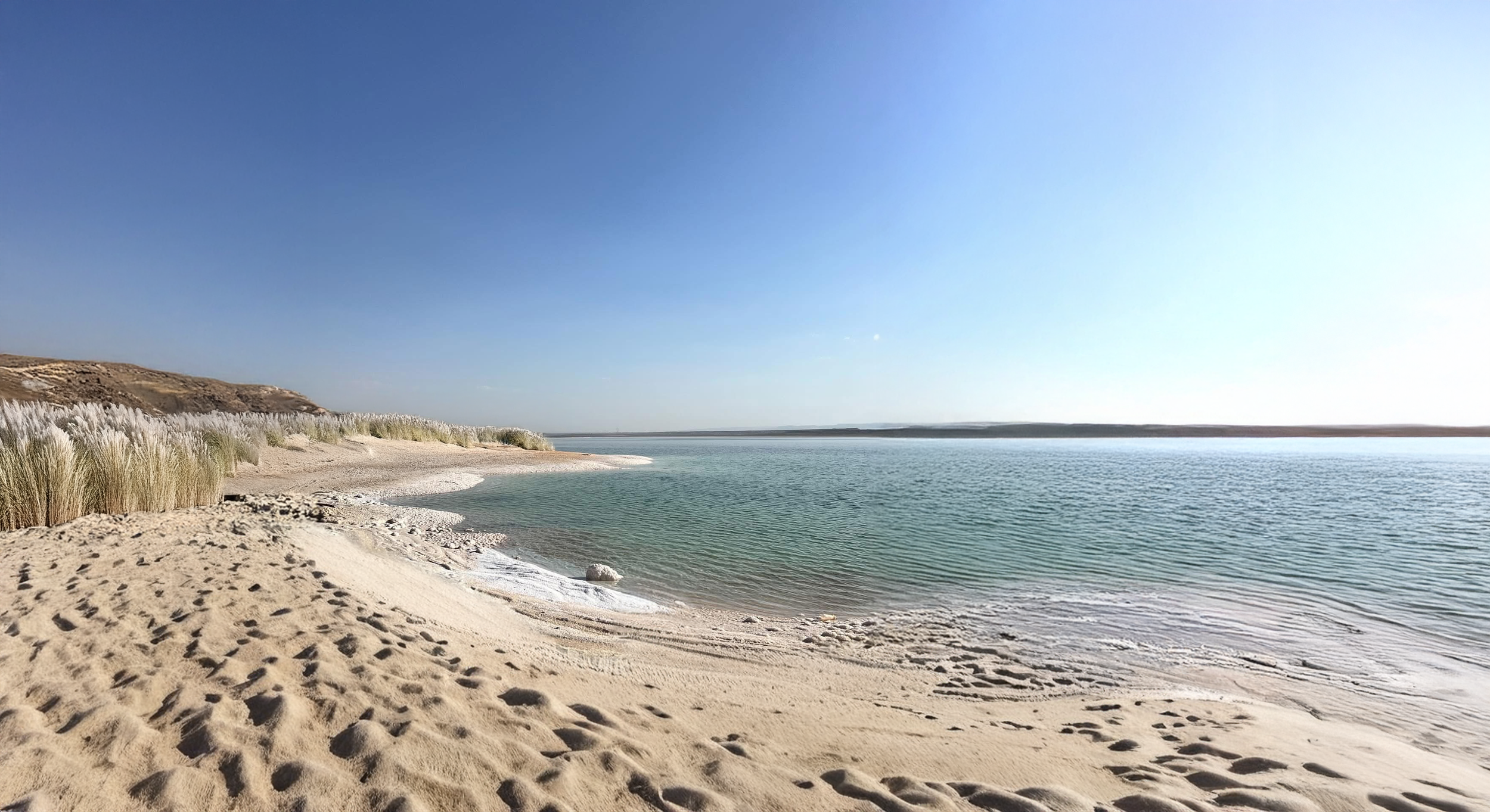
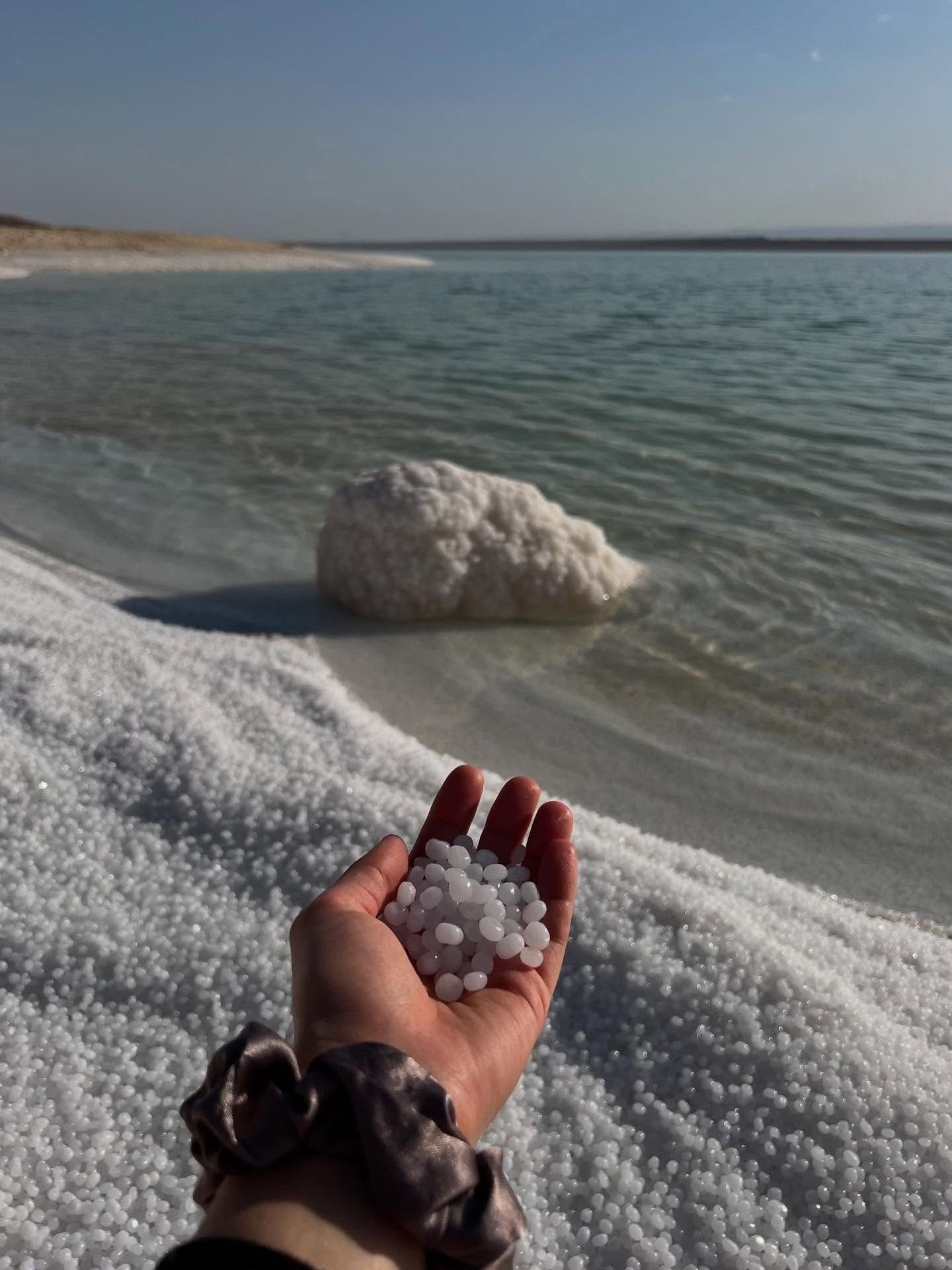
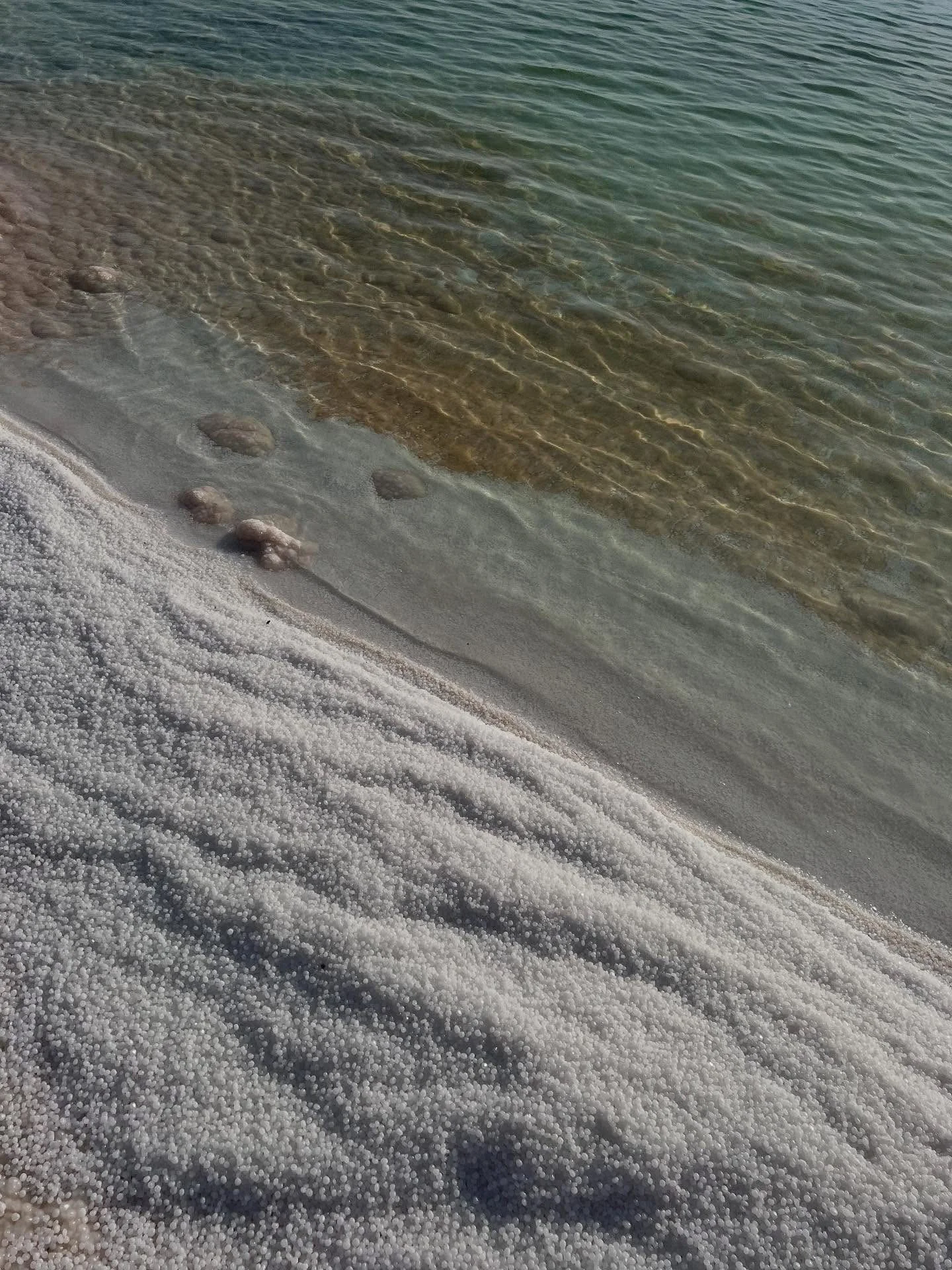
The Salt Shore Initiative introduces an unprecedented concept: transforming the traditional beach surface into a fully walkable salt-grain terrain — composed of natural salt spheres engineered to mimic the aesthetic and texture of sand, yet retaining the identity and mineral purity of the Dead Sea.
This design replaces standard sand with refined salt particles shaped like natural “salt pearls” (bean-sized crystalline formations), creating a tactile, luminous beach surface that complements the turquoise horizon and amplifies the sensory distinctiveness of the site.
Beyond its visual and experiential value, the Salt Shore represents a regional first — a serviced salt beach within the Dead Sea basin — positioning the destination as a benchmark of creativity and innovation in luxury environmental design.(A detailed R&D study, material sourcing plan, and cost-feasibility analysis are available within the Salt Shore case study.)
(A detailed R&D study, material sourcing plan, and cost-feasibility analysis are available within the Salt Shore case study.)
EXPERIENTIAL PIPELINE STRATEGY
The Experiential Pipeline Strategy is a cluster of innovation-driven activations designed to elevate the project’s positioning through hero concepts that merge luxury aesthetics, guerrilla marketing, and sensory engagement.
Each initiative operates as a “living experience product” — simultaneously functional, aesthetic, and strategic — intended to attract new audiences, generate social visibility, and establish an iconic brand identity that transcends the typical resort experience.
These activations integrate seamlessly into the physical landscape of the Dead Sea, aligning with the region’s raw natural elements — salt, sun, and horizon — while reinterpreting them through design, architecture, and service artistry.
(Each listed product below represents a condensed concept brief; a full technical and creative case study is documented separately for internal development and execution.)
2. The Tropic Hub Network
Signature Fruit & Beverage Activation Program
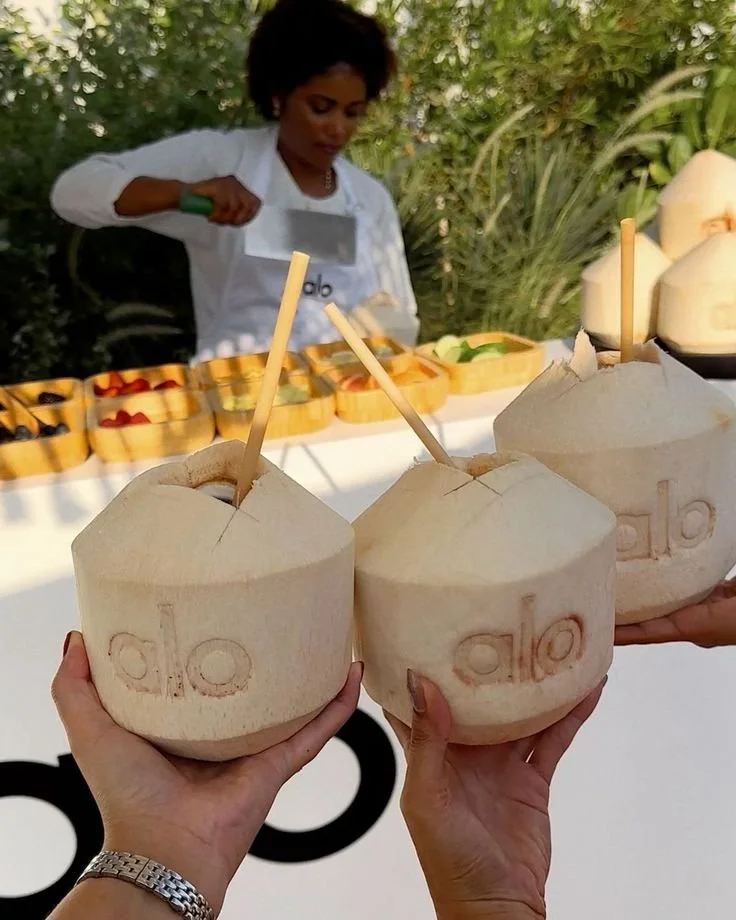
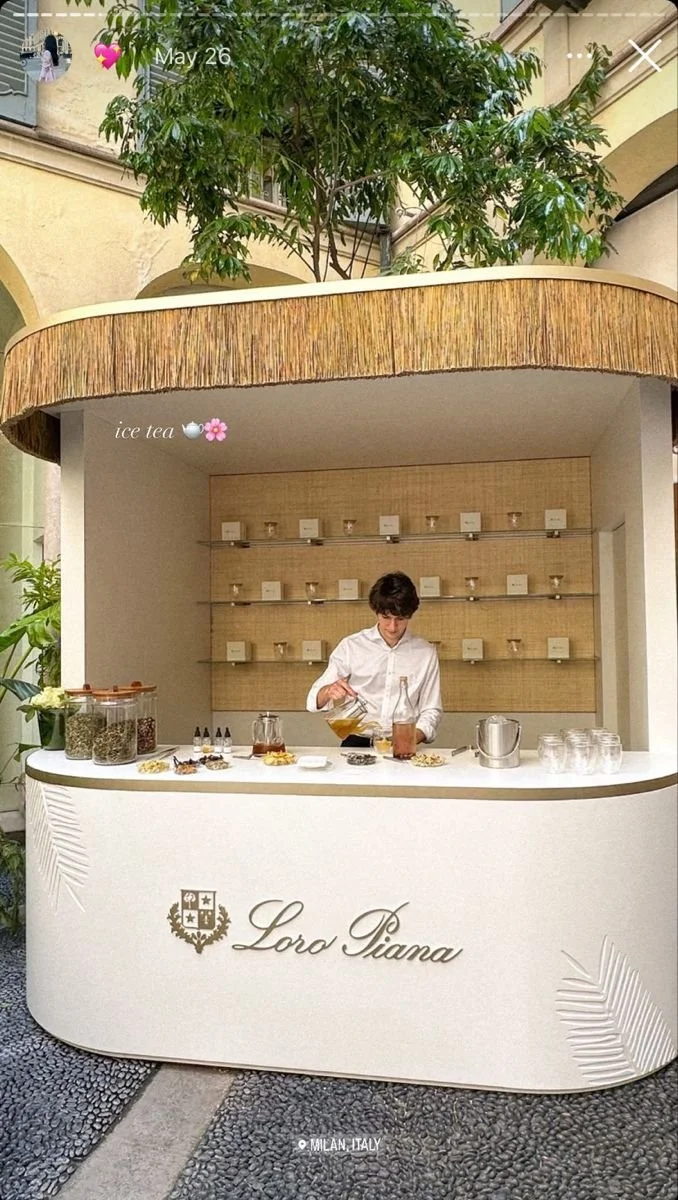
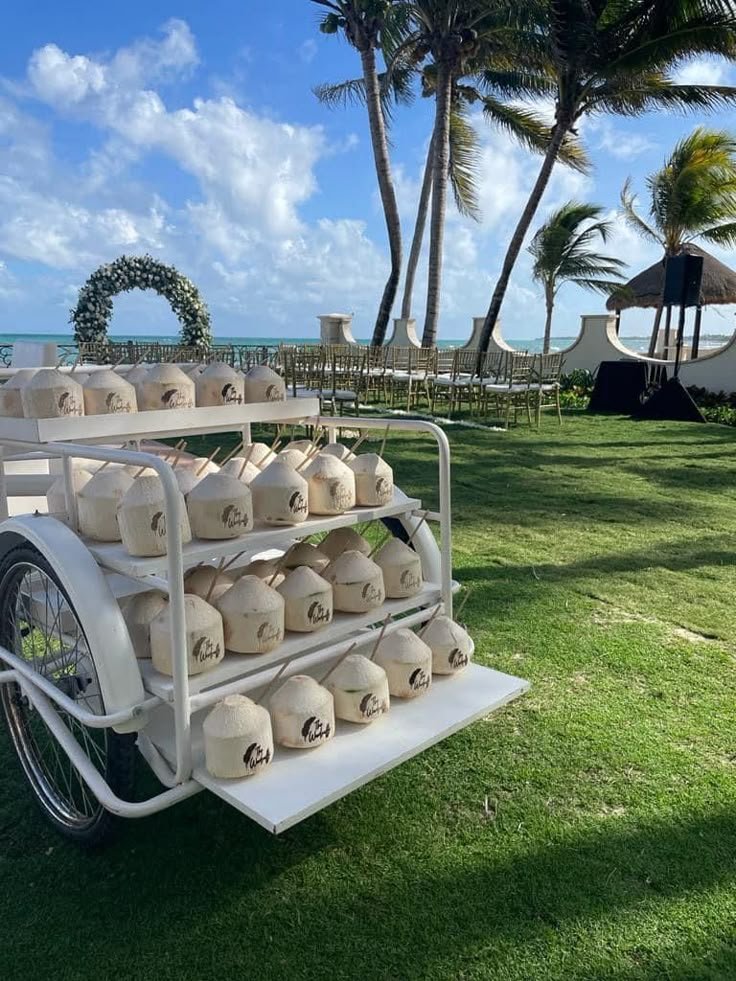
The Tropic Hub Network encompasses a series of aesthetic service points and curated refreshment stations distributed throughout the beach club and pool environments. Each hub acts as a functional art piece — drawing from tropical iconography and coastal nostalgia while adapted to the Dead Sea’s visual identity.
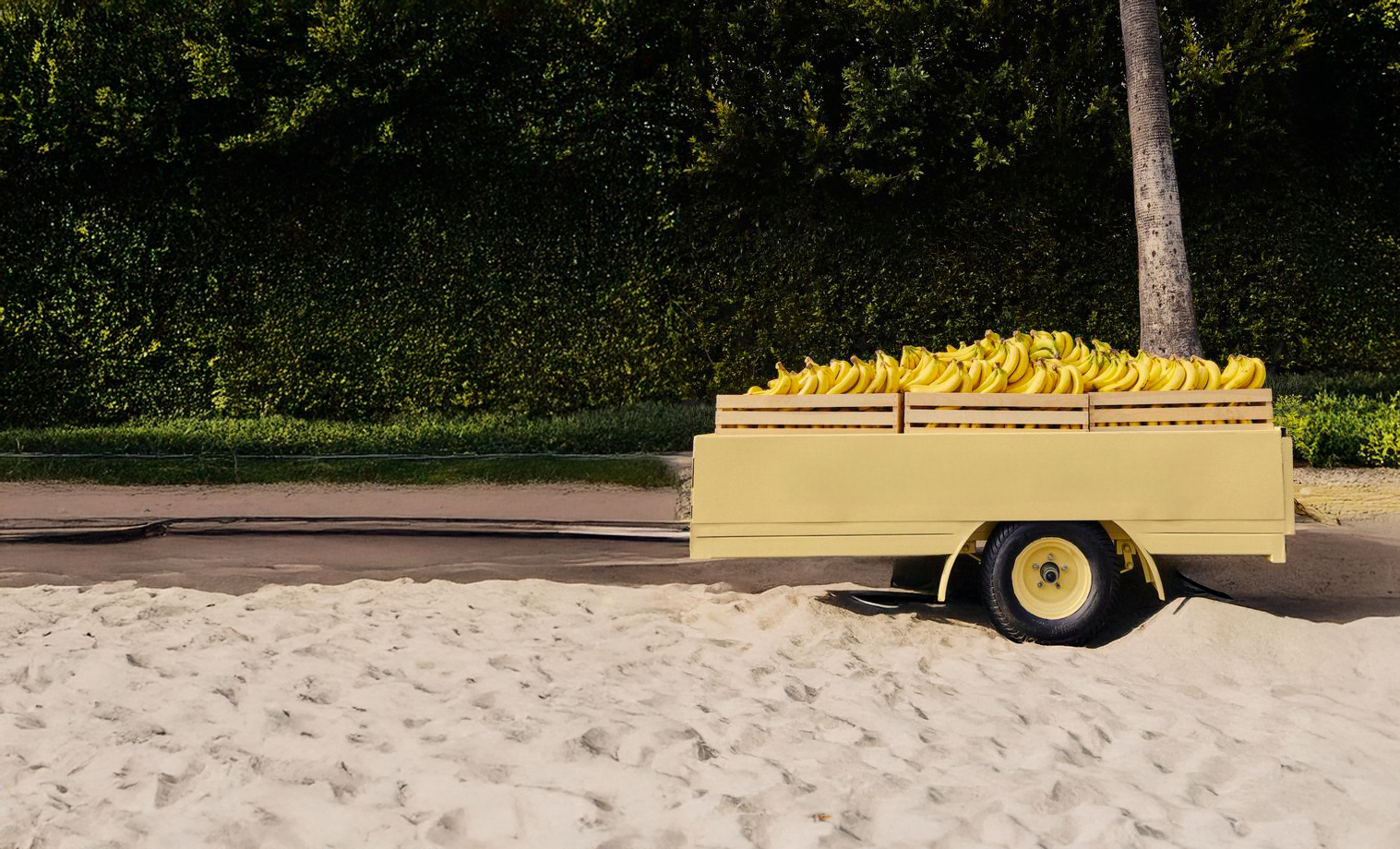
These include mobile or semi-permanent Cuban-style fruit carts, coconut-serving cabanas, and fresh-mix beverage kiosks, each styled in vintage-tropical elegance with hand-woven awnings, minimal branding, and curated uniform design.
The goal is to cultivate a photogenic, story-driven atmosphere that amplifies the brand’s lifestyle value and provides guests with tangible touchpoints for engagement, visual storytelling, and viral luxury content.
(A deeper breakdown of material sourcing, service protocols, and aesthetic direction is developed in the Tropic Hub case study.)
3. The Immersive Object Series
Architectural Pop-Up Installations & Photogenic Landmarks
The Immersive Object Series is a curated framework of on-site design installations, sculptures, and interactive art elements designed to enhance the visual storytelling of the project.
These pieces — from sculptural surfboards to mirrored totems, minimal signage, and branded photo objects — are strategically positioned along guest circulation paths to stimulate exploration, content creation, and organic digital marketing.
Each element is conceived to be luxurious yet understated, prioritizing craftsmanship, scale, and spatial balance over commercial display. The goal is to integrate art, brand, and landscape into one living composition that sustains visual relevance and social momentum over time.
(A full creative plan with spatial zoning, design typologies, and production guidelines is included in the Immersive Object Series case study.)
SOLAN Initiative – Phase One Development Framework
Crowne Plaza Dead Sea Development Program
I. Initiative Overview
SOLAN is a targeted development initiative designed to elevate the Crowne Plaza Dead Sea’s lower-terrain facilities into a modern, revenue-generating lifestyle hub.
Rather than restructuring the hotel, SOLAN focuses on enhancement, strategic rebranding, and experience-based development, aligning the property with contemporary international standards while preserving its core operational framework.
The initiative is built on three pillars:
1. Facility Redevelopment – Aesthetic and functional upgrades to existing zones.
2. Operational Strategy Integration – Alignment with IHG commercial, F&B, and marketing divisions.
3. Experiential Repositioning – Re-imagining the guest journey through design, naming, and curated service layers.
II. Strategic Development Zones
1. SOLAN Pool (Adults-Only Private Pool Redevelopment)
Objective:
Transform the existing adults-only pool into a high-end, design-driven, adults-exclusive experience without structural reconstruction.
Scope:
• Interior and furniture redesign (modern lounges, shaded decks, linear decor).
• New lighting, music, and scent strategy for sensory branding.
• Upgraded bar concept emphasizing craftsmanship and service precision.
• Integration of F&B partnership programs (signature drinks, pool-side bites).
• Brand and naming revision to reposition the pool as a distinct signature zone.
Value:
Quick, low-risk ROI due to existing infrastructure; significant visual and experiential upgrade; serves as the pilot project for the SOLAN identity.
2. SOLAN Beach Club (Adults-Only Seaside Zone)
Objective:
Develop a dedicated, adults-only beach club on the lower seafront, establishing the first true beach-lifestyle experience in the Dead Sea region.
Development Scenarios:
Scenario A – Adaptive Redevelopment (Low-Risk):
• Utilize existing Crown Plaza beach structures and infrastructure.
• Redevelop aesthetics, materials, and layout to introduce a branded club identity.
• Integrate a bar, shaded lounges, showers, and curated F&B service.
• Maintain operational integration with hotel management.
Scenario B – Independent Beach Club (High-Value / Moderate-Risk):
• Develop a new adults-only section on the unused beachfront adjacent to the property.
• Operate as a semi-independent club with entry control and premium access fees.
• Target regional day-use clientele (Amman, GCC guests, tourists from neighboring hotels).
• Integrate upscale F&B service, entertainment, and live programming.
• Potential for standalone revenue model through entrance and beverage sales.
Advantages:
Positions Crowne Plaza as the first lifestyle-driven Dead Sea destination, appealing to a new market segment while increasing per-guest spending.
3. SOLAN Shoreline (Public Beach Aesthetic Upgrade)
Objective:
Refine and beautify the existing public/family beach without major intervention.
Scope:
• Sand treatment and visual landscaping.
• Minimalist aesthetic improvement (sunbeds, signage, pathway materials).
• Maintain inclusivity for all guests.
• Serve as a visual continuation of the SOLAN brand aesthetic, maintaining cohesion.
Value:
Enhances the full resort image while preserving family access and operational simplicity.
III. Supportive Development Sectors
A. F&B Micro-Hubs
Introduction of curated mobile service concepts positioned across the lower-terrain zones.
Each will embody SOLAN’s design language — aesthetic mobility, refined simplicity, and high operational flexibility.
These hubs provide light refreshments, crafted beverages, and branded moments that complement the resort’s visual rhythm.
B. Transportation & Guest Flow
Implementation of a luxury internal mobility experience using electric carts or design-cohesive vehicles.
Focus on silent, aesthetic transport connecting all SOLAN zones seamlessly, reinforcing the overall perception of refinement.
IV. Development Philosophy
SOLAN operates under the principle of incremental transformation — small, high-impact interventions that collectively redefine the guest perception.
The development avoids heavy CAPEX commitments by leveraging existing structures and focusing on creative direction, experiential storytelling, and operational synergy.
Each project is designed to interlock with the next — forming a continuous, high-energy hub that maximizes guest engagement, F&B revenue, and destination appeal.
V. Next Step Recommendations
1. Internal Approval File:
• Develop a concept dossier (10–15 pages) summarizing vision, zoning, and financial outline.
2. Design Guideline Brief:
• Commission conceptual renders & materials board for the SOLAN Pool.
3. Budget Feasibility Assessment:
• Request internal financial model with IHG cluster finance to determine Phase 1 CAPEX.
4. Marketing Collaboration:
• Begin naming & brand rollout coordination with IHG Marketing for integration under Crowne Plaza’s sub-brand architecture.
Section 8 – Budgeting & Financial Strategy
(Funding Logic, Cost Management & Smart Resource Direction)
8.1 Funding Outlook and Ownership Constraints
• The Crowne Plaza Dead Sea is owned by a government-linked holding body (“Abu Monash”), which historically provides minimal redevelopment funding.
• Based on past GM reports and brand experience, direct owner funding covers < 10 % of project cost requests.
• While partial support remains possible, relying solely on this channel is neither sustainable nor timely.
• Therefore, a dual-source funding model must be established:
• (A) Small internal allocations from the owner for visible upgrades (paint, furniture, branding).
• (B) Alternative / external financing streams and partnership models for core structural works.
8.2 Scenario I – Conventional Owner Funding (Low Yield)
• Possible but limited; suitable only for surface-level cosmetic changes and minor refurbishments.
• Advantages: quick administrative approval, no legal complexity.
• Limitations: budget exhaustion before impact is visible; demotivating for staff and management.
8.3 Scenario II – Hybrid Partnership Funding Model
(Recommended)
• Adopt a co-operation / concession framework that invites external operators or investors to co-develop specific sub-projects (restaurant, pool deck, or beach club).
• Comparable to a “Revenue-Sharing Concession” model used globally in resorts:
• The hotel provides space, operational support, and brand umbrella.
• The partner funds the build-out, concept design, or operation in exchange for revenue share or lease percentage.
• Ideal candidates: F&B groups, wellness operators, or hospitality brands seeking regional exposure.
• Legally feasible if structured as an operational license under IHG’s umbrella rather than a full lease.
• Enables rapid development of high-cost zones (Beach Club + Adults-Only Pool) without large internal capital release.
8.4 Cost Allocation Strategy
High-Investment Zones (≈ 70 % of total budget)
• Solan Beach Club: full infrastructure build, landscaping, utilities, and architectural design.
• Adults-Only Pool Deck: structural, surface, and furnishing upgrade.
Medium-Investment Zones (≈ 20 %)
• Spa Complex: aesthetic uplift, lighting, and soft refurbishment.
• Landscape & Lighting Corridors: unifying design elements linking all sub-zones.
Low-Investment Zones (≈ 10 %)
• Bourj Hammam Restaurant + Lounge: minimal decor updates, branding integration, PR event staging.
• Digital and Marketing Assets: website micro-pages, photo/video production, PR campaigns.
8.5 Cost-Reduction Framework (“Strategic Hustle”)
To counter limited funding, the initiative must operate through creative resource redirection rather than expense expansion:
• In-House Creative Direction: appoint one cross-disciplinary developer/creative director overseeing marketing, design, and events to avoid hiring multiple agencies.
• Talent Exchange Model: collaborate with rising designers, photographers, or models seeking exposure instead of direct payment.
• Local Manufacturing Solutions: repurpose existing furniture skeletons and source local craftspeople to reproduce luxury styles using regional materials.
• Smart Influencer Partnerships: replace paid influencer fees with hosted experiences (2-night stays, content exchange).
• Integrated Marketing Spend: focus budgets on digital storytelling and visual branding instead of low-ROI traditional ads.
• Shared Resources: use IHG cluster purchasing power (Amman / Aqaba / Petra) to negotiate bulk supplier discounts.
8.6 Revenue Return Channels
• Day-Use Passes (50–60 JOD) for external guests accessing Solan facilities.
• F&B Upselling through premium menu design, signature cocktails, and private events.
• Wellness Programs – limited memberships or weekend packages for spa and adults-only areas.
• Seasonal Events & Partnerships – hosting luxury lifestyle activations to attract regional media coverage.
• In-House Guest Retention – improved facilities boost ADR and length of stay, indirectly increasing room revenue.
8.7 Strategic Objective
To complete the Solan Initiative with minimal owner dependence, maximum creative efficiency, and visible transformation that directly improves perception, revenue, and competitiveness.
This approach turns the current financial limitation into an opportunity for innovation and re-positioning.
Would you like me to turn this section into a clean, formatted PDF (Section 8) — matching the visual style of your previous “Clean Framework” files — so it’s presentation-ready?
Folder Breakdown
1. Legal & Property
2. Surveys & Studies
3. Architectural Base Plans
4. IHG Standards & Manuals
5. Financial Models & Feasibility
6. Salt Beach Design Data
7. Permits & Approvals