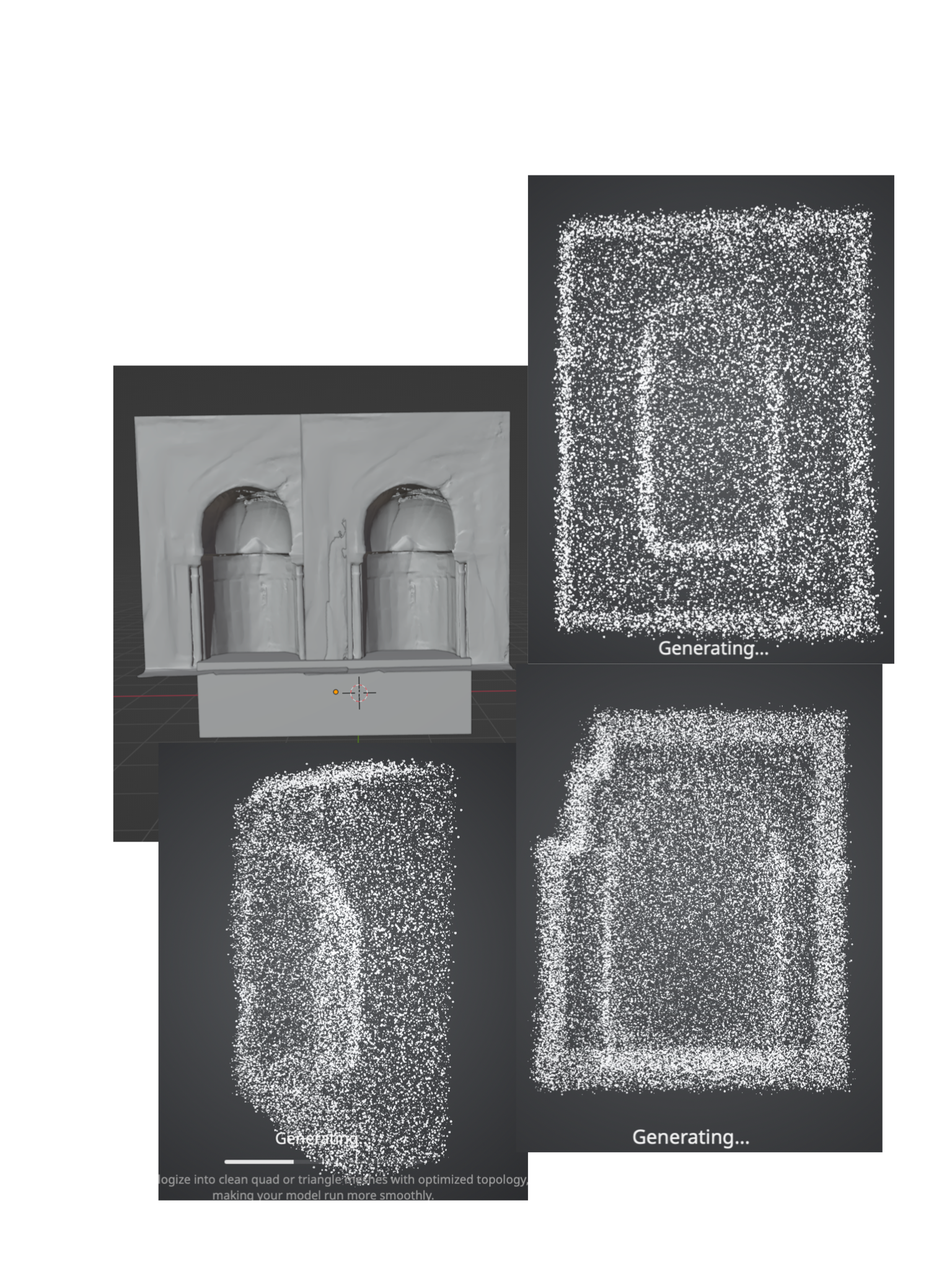
The National Roman Theatre Museum
Roman Theatre and Civic Life in Ancient Amman
ROMAN THEATRE MUSEUM — INTERIOR REDEVELOPMENT FRAMEWORK (PHASE: SPATIAL & DISPLAY STRATEGY)
1. ENTRANCE THRESHOLD & ACCESS IDENTITY
The entrance sequence is currently visually fragmented and conceptually weak. The experience must shift from security checkpoint to ceremonial cultural threshold.
1.1 Outer Security Door (Metal + Glass)
Current Issue:
Modern, visually intrusive, culturally disconnected, positioned directly in front of the wooden door creating a “double barrier” effect that feels institutional rather than museological.
Strategic Direction:
Three-tier evaluation approach:
1. Preferred Option — Full Removal
If security regulations permit, eliminate the metal/glass door entirely to restore a single, dignified point of entry.
2. If Security is Mandatory — Cultural Redesign
Replace with a custom Roman-inspired metal gate, referencing 1st–2nd century ironwork patterns.
– Dark patinated metal
– Minimal transparency
– Architectural integration with the stone arch
The door becomes interpretive, not intrusive.
3. Absolute Rejection
No modern aluminum framing, no reflective glass panels, no commercial storefront language.
1.2 Primary Wooden Door
To remain. Its scale and materiality already convey institutional gravity.
Modification Required:
Upper glass insert above the door must be removed or concealed.
Replacement Options:
• Stone panel continuation
• Mosaic insert (subtle, not decorative theme-park style)
• Bronze plaque with museum identity
• Carved Roman-style stone frieze band
Goal: The entrance must read as heritage architecture, not retrofitted space.
2. FLOORING STRATEGY
Flooring is one of the most critical spatial credibility factors. Current finishes undermine the museum identity.
2.1 Room 1 (Stone Tunnel Corridor)
Stone floor is appropriate.
Only conservation cleaning and surface stabilization required. No replacement.
2.2 Room 2 (Main Entry Hall)
Current Condition: Small pebble-composite tiles (domestic vernacular aesthetic). Not acceptable for museum context.
Strategic Direction: Replace or overlay.
Approved Material Families:
• Large-format natural stone slabs
• Honed limestone
• Neutral-toned stone tile (large modules)
Rejected:
Epoxy poured floors / industrial resin / visible aggregate surfaces.
Wood not recommended here due to traffic + threshold function.
Room 2 must feel monumental, calm, and dignified.
2.3 Room 3 (Sector Rooms)
More flexibility.
Two possible identities:
1. Stone continuity with Room 2
2. Museum-grade carpet system
Used strategically in artifact-dense rooms to slow visitor movement and soften acoustics.
3. LEVEL CHANGES & RAILINGS
3.1 9-Step Descent (Room 2 → Room 1)
3.2 2–3 Steps Internal Level Shift in Room 2
Current railings are domestic, visually disruptive.
Primary Action: Remove if code allows.
If safety regulations require them:
Custom railings in Roman-inspired ironwork. No stainless steel, no tubular forms.
4. DISPLAY METHODOLOGY SYSTEM
The museum will operate using a multi-typology display system.
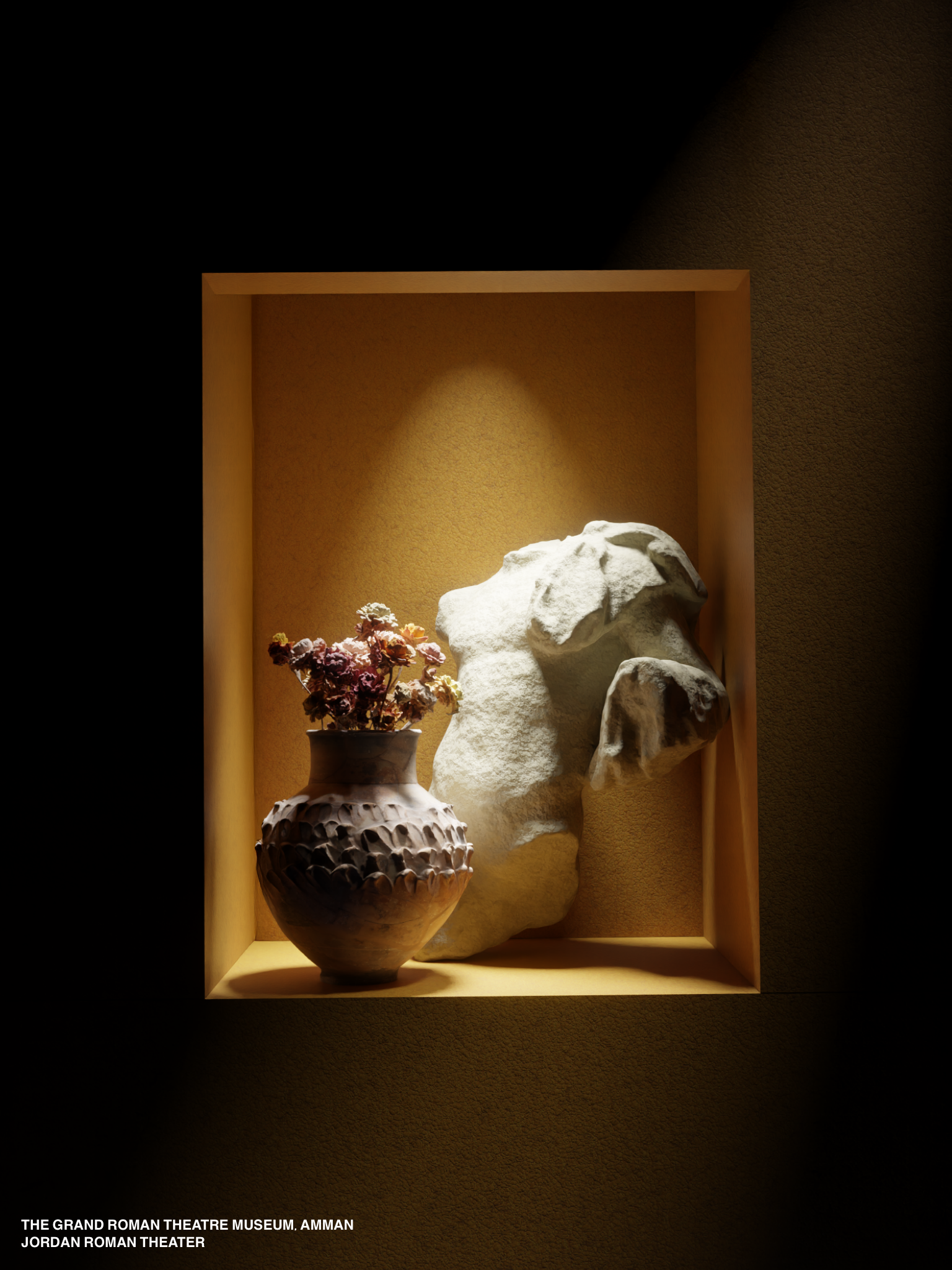
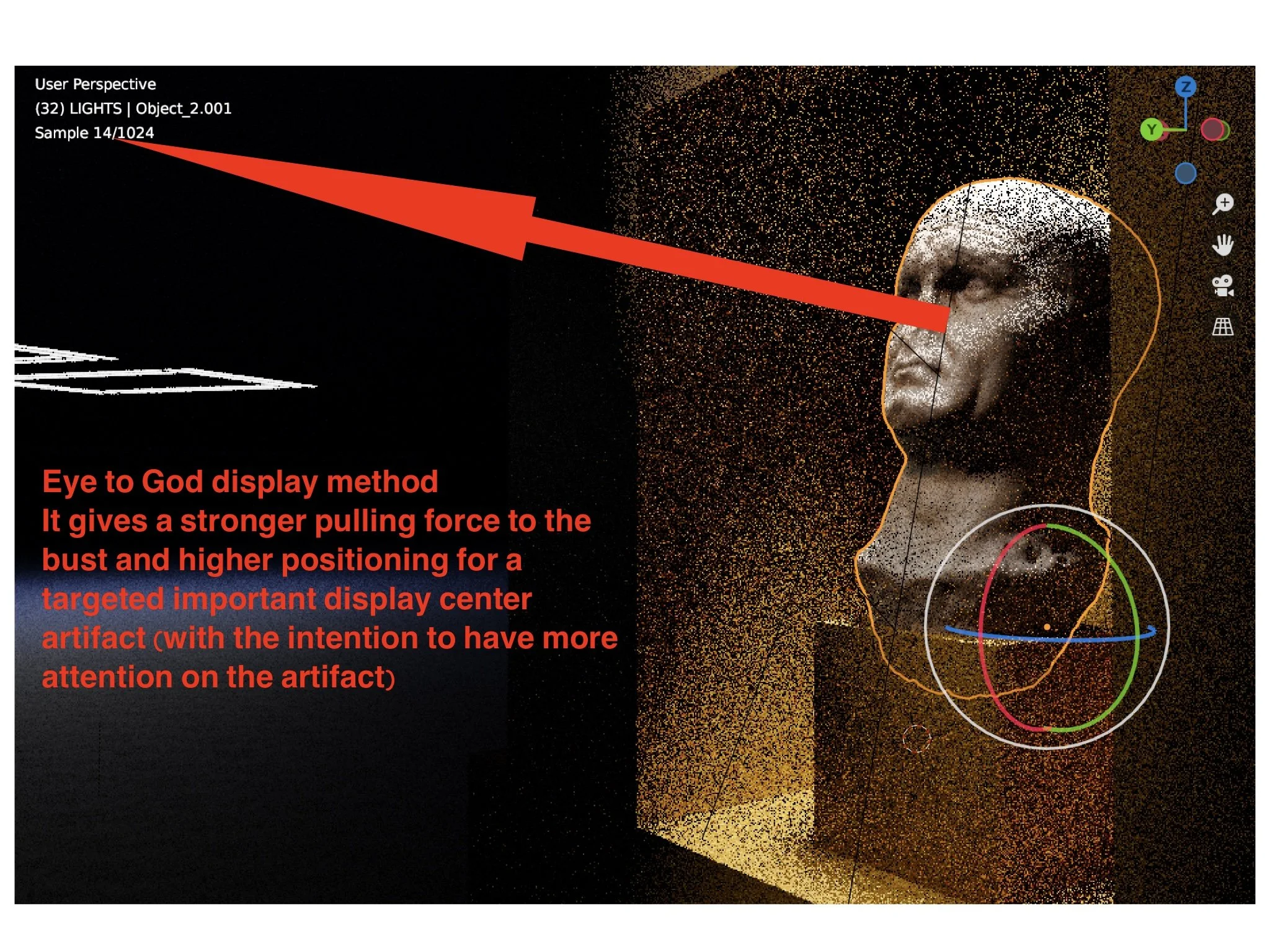
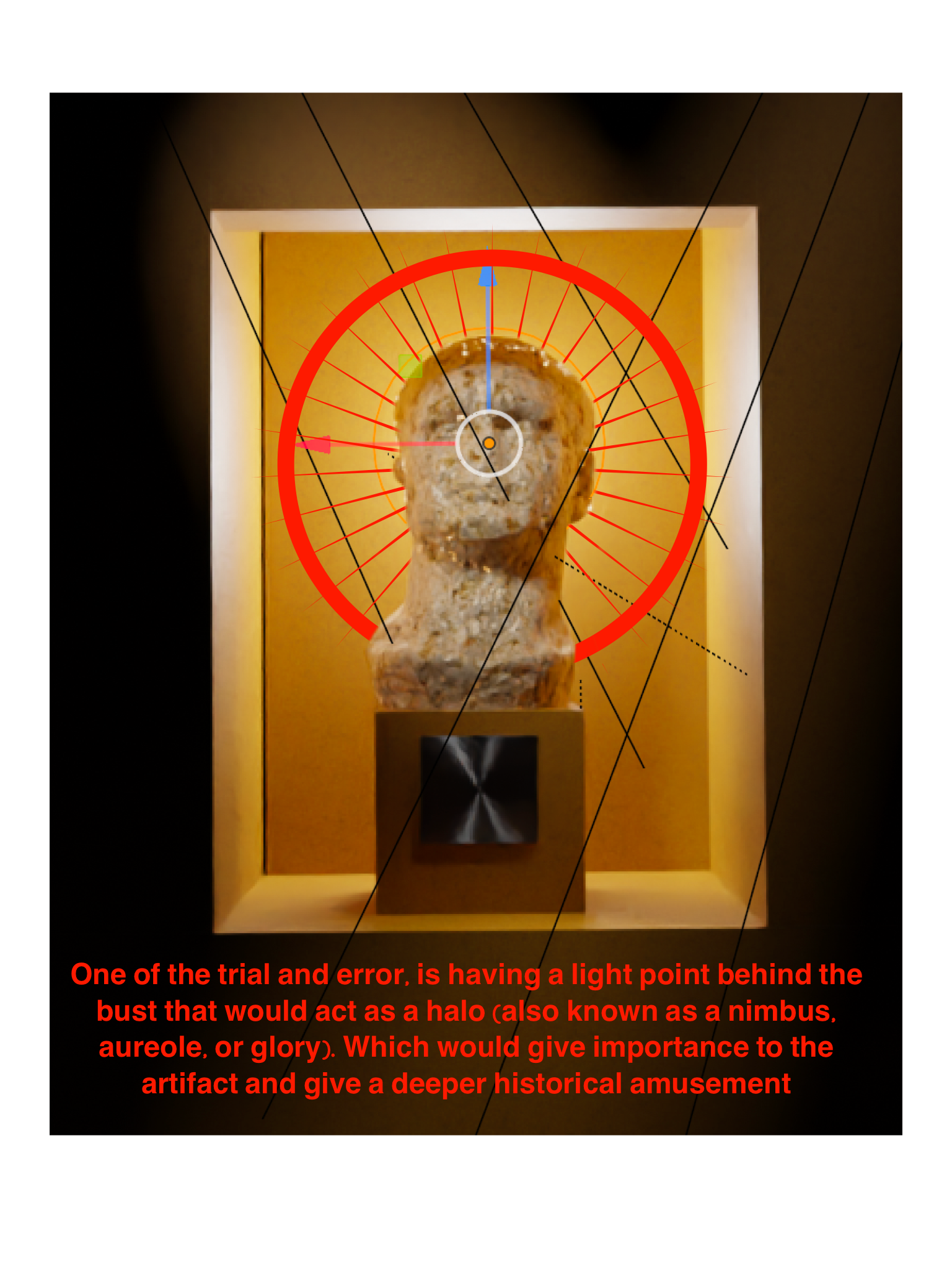
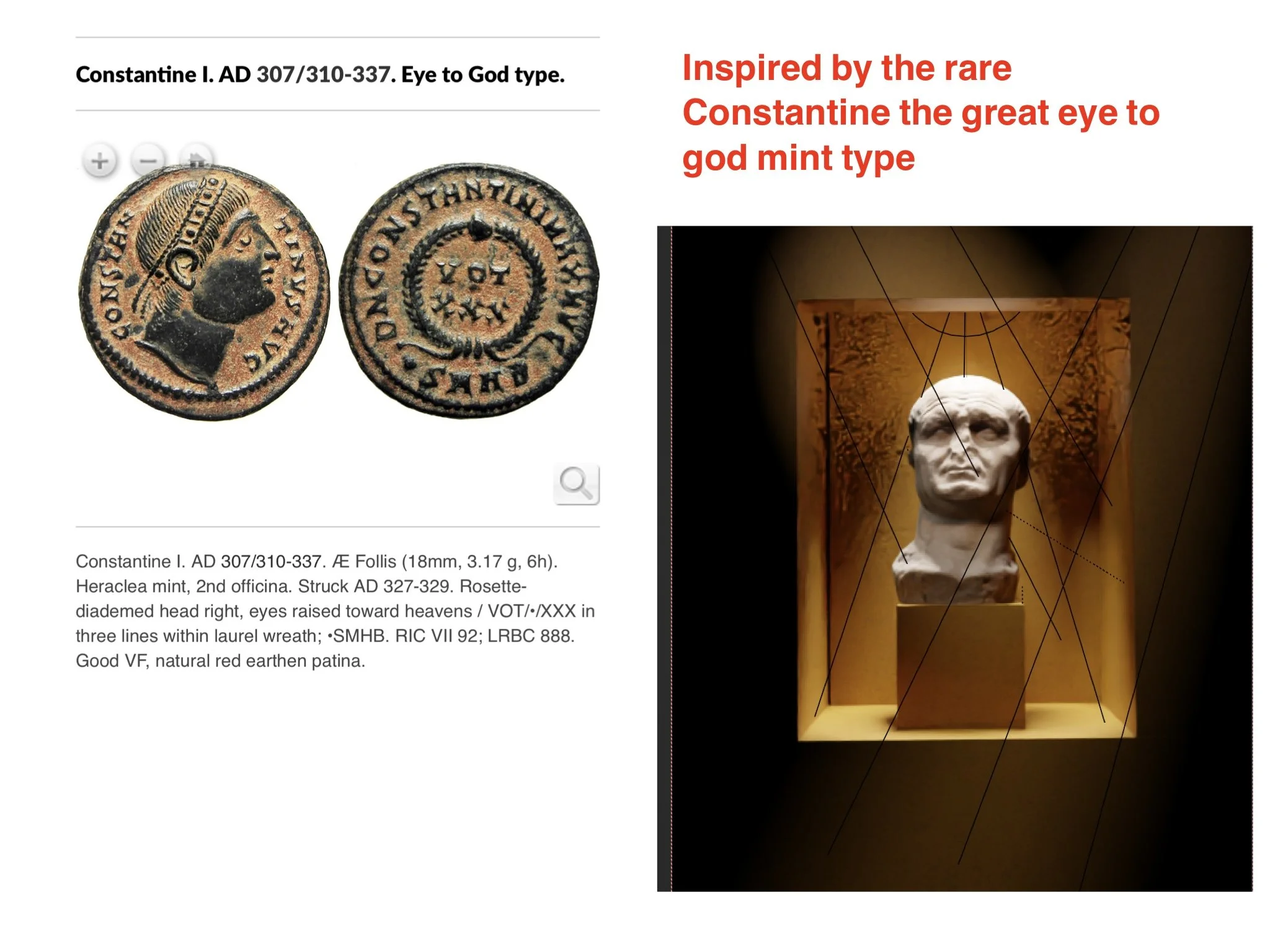
TYPE A — Hero Object Glass Case (Centerpiece Case)
For singular masterpieces.
Freestanding, museum-grade laminated low-iron glass.
Hidden structural seams.
Integrated microclimate monitoring.
TYPE B — Collection / “Lot” Case
Larger horizontal or vertical cases showing artifact groups (coins, fragments, thematic assemblages).
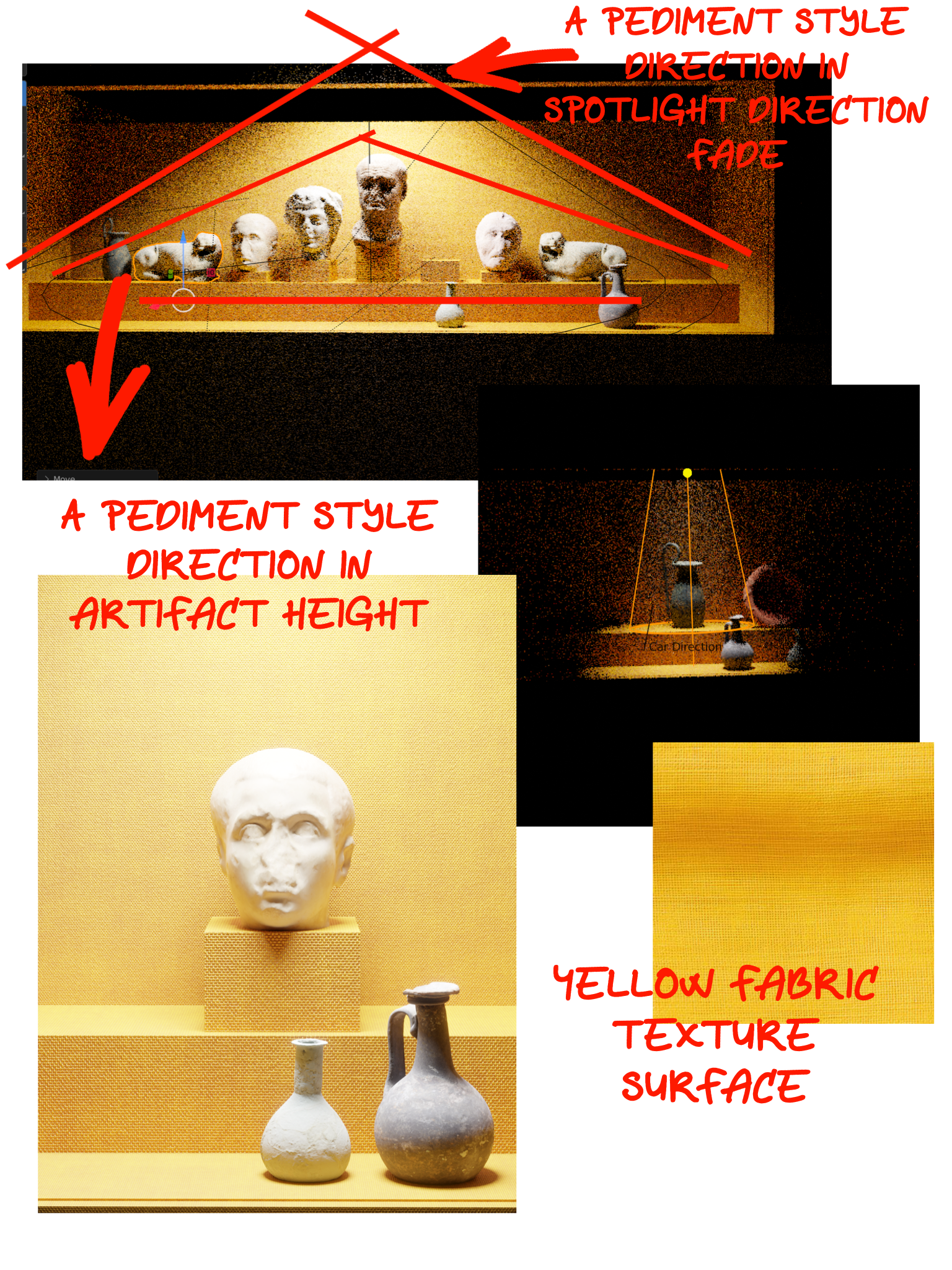
Includes light diffusion grids (concealed louver systems) to distribute light evenly.
TYPE C — Open Sculpture Plinths
For durable stone artifacts.
Solid bases, no glass.
Heavy, architectural presence.
TYPE D — Wall-Mounted Artifact Systems
Shelves or armatures anchored into independent support systems (not damaging historic walls).
Used for relief fragments, small sculptural pieces.
TYPE E — Wall-Affixed Mosaic / Relief Panels
Direct visual integration with wall surfaces while preserving the wall fabric through substructures.
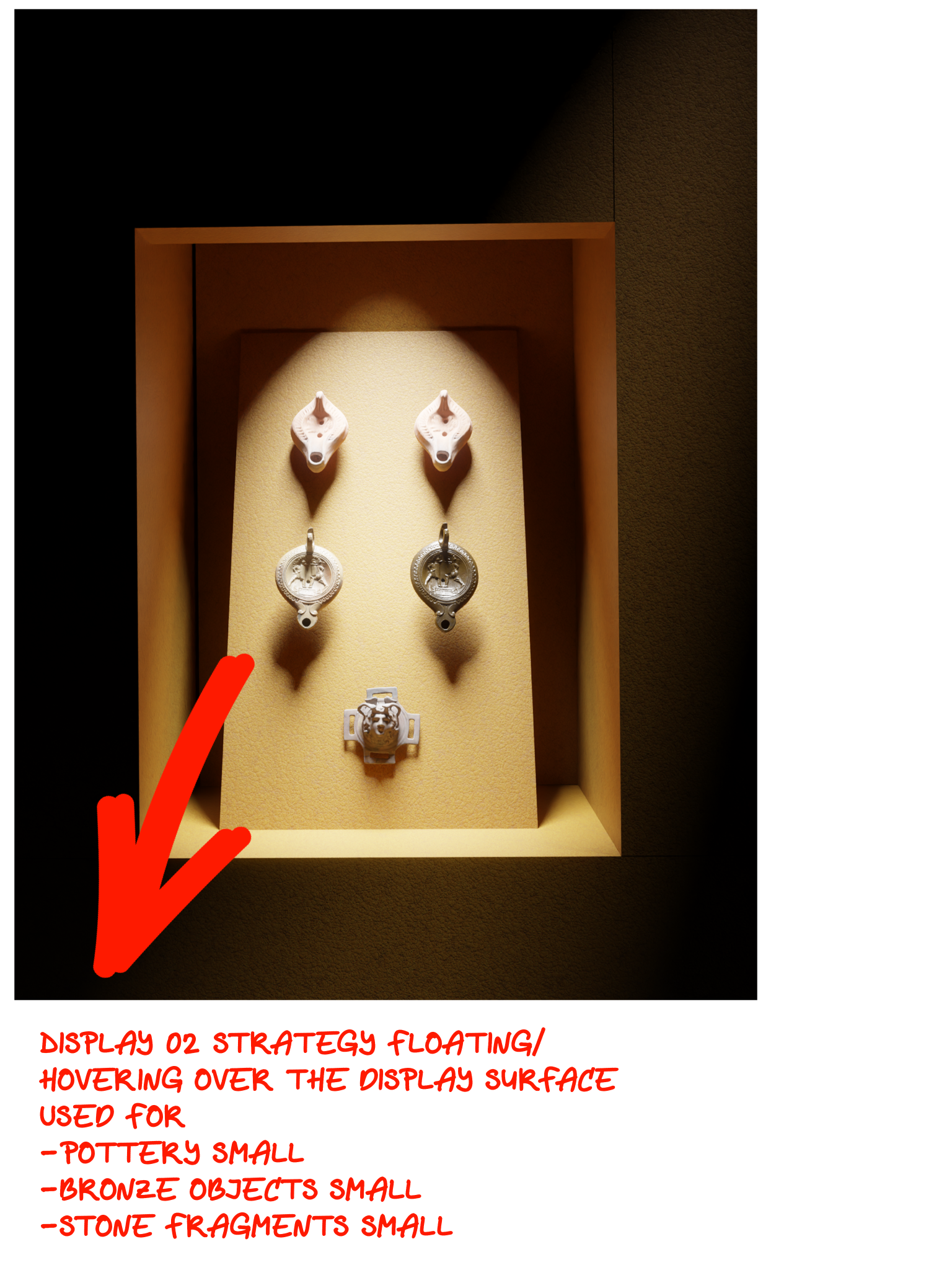
TYPE F — Suspended or Floating Displays (Limited Use)
Only if engineering allows and conceptually justified.
5. DISPLAY CASE ENGINEERING
All cases must be museum conservation grade.
• Laminated, low-iron, anti-reflective glass
• Concealed access (rear, base, or lift-off systems)
• No visible hinges, locks, or sliding doors
• Microclimate sensors for temperature & humidity
• Non-UV lighting only
Yes — major museums use anti-reflective, low-iron laminated glass, not standard glass.
6. LIGHTING PHILOSOPHY
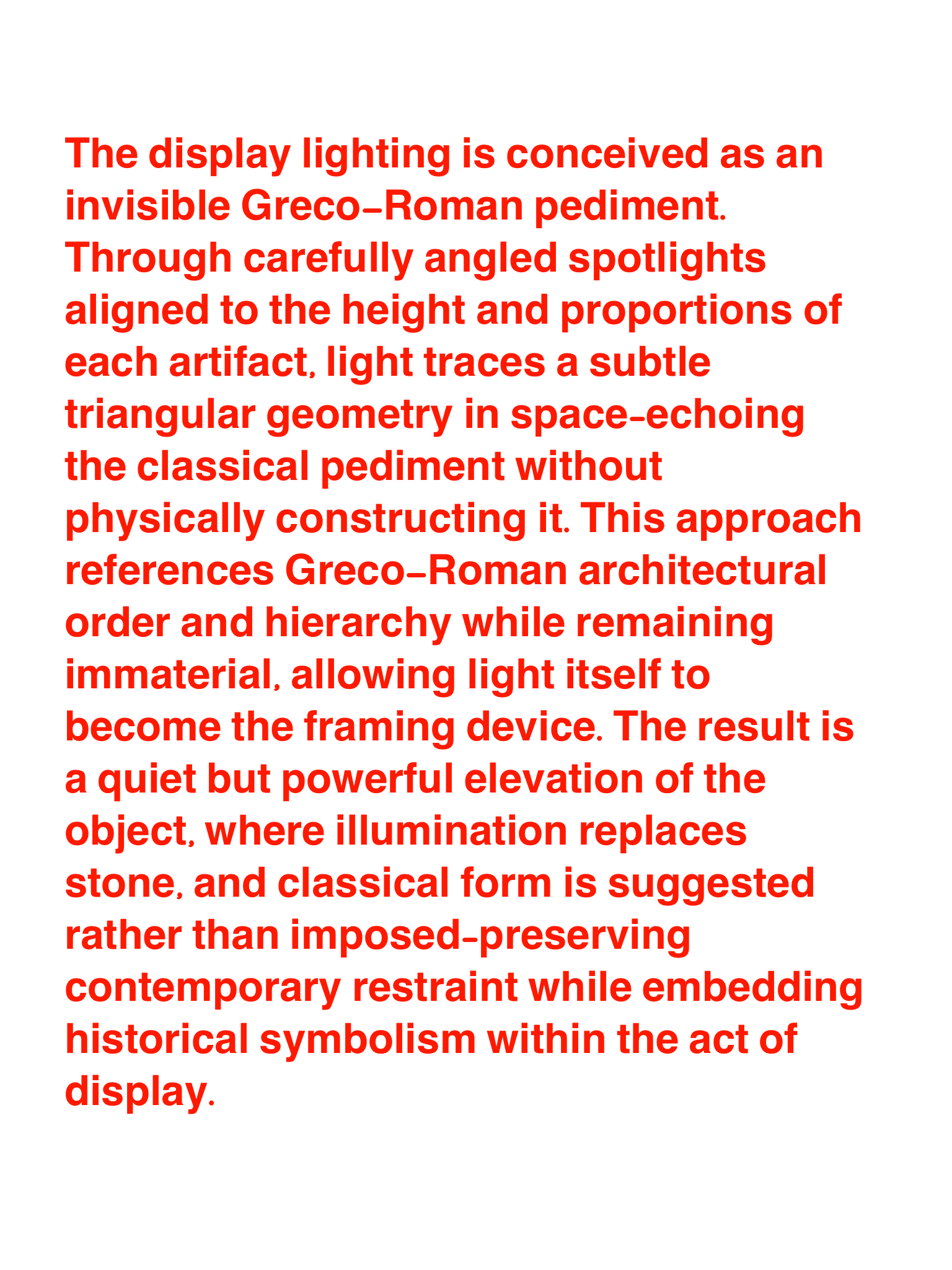
Light is narrative, not just visibility.
• Ambient light kept low
• Artifacts lit with precision spot optics
• Diffusion grids for multi-object cases
• No uncontrolled daylight
• Balance between drama and conservation
7. COLOR & MATERIAL CONTRAST STRATEGY
Ancient stone walls remain untouched.
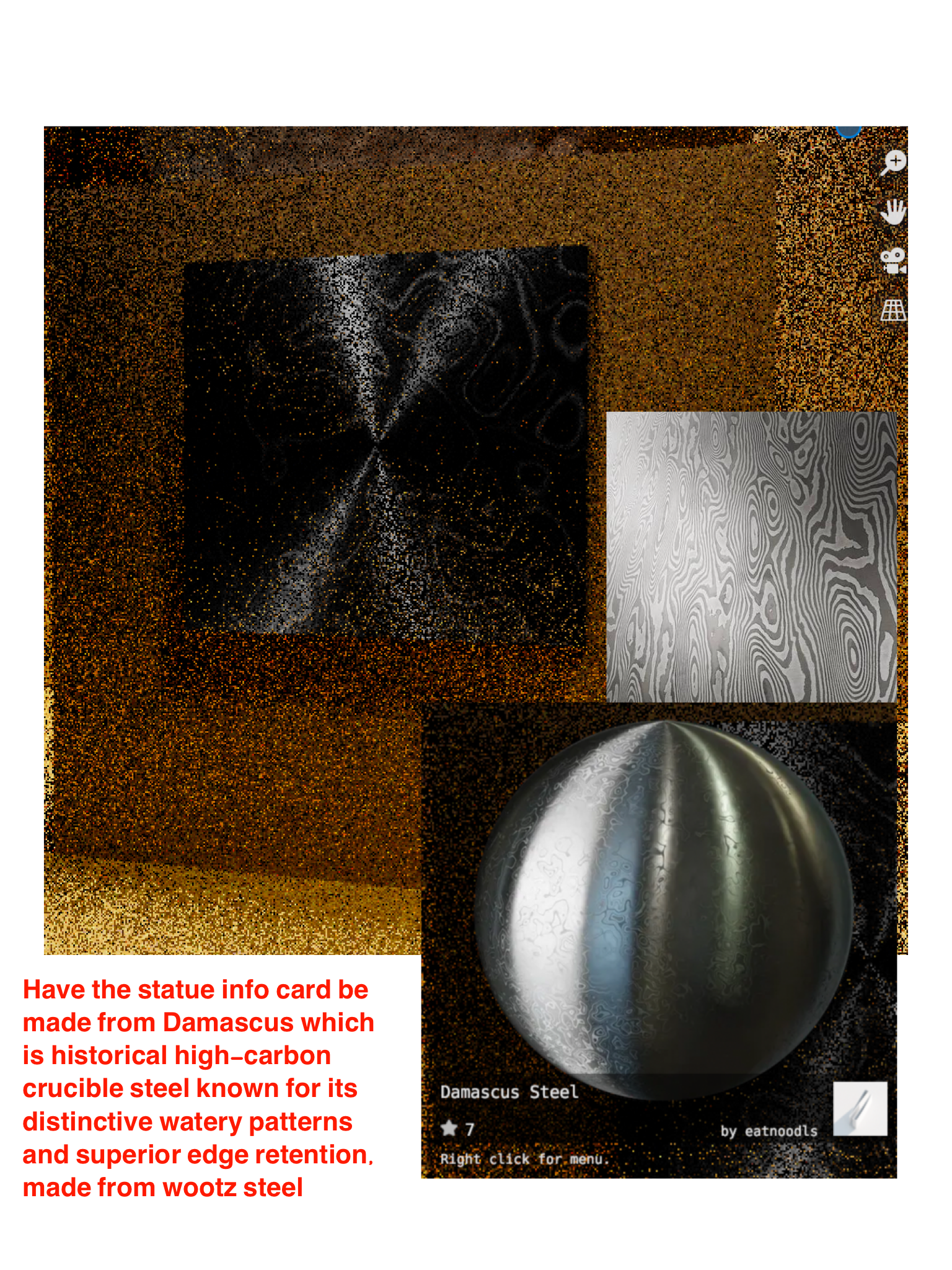
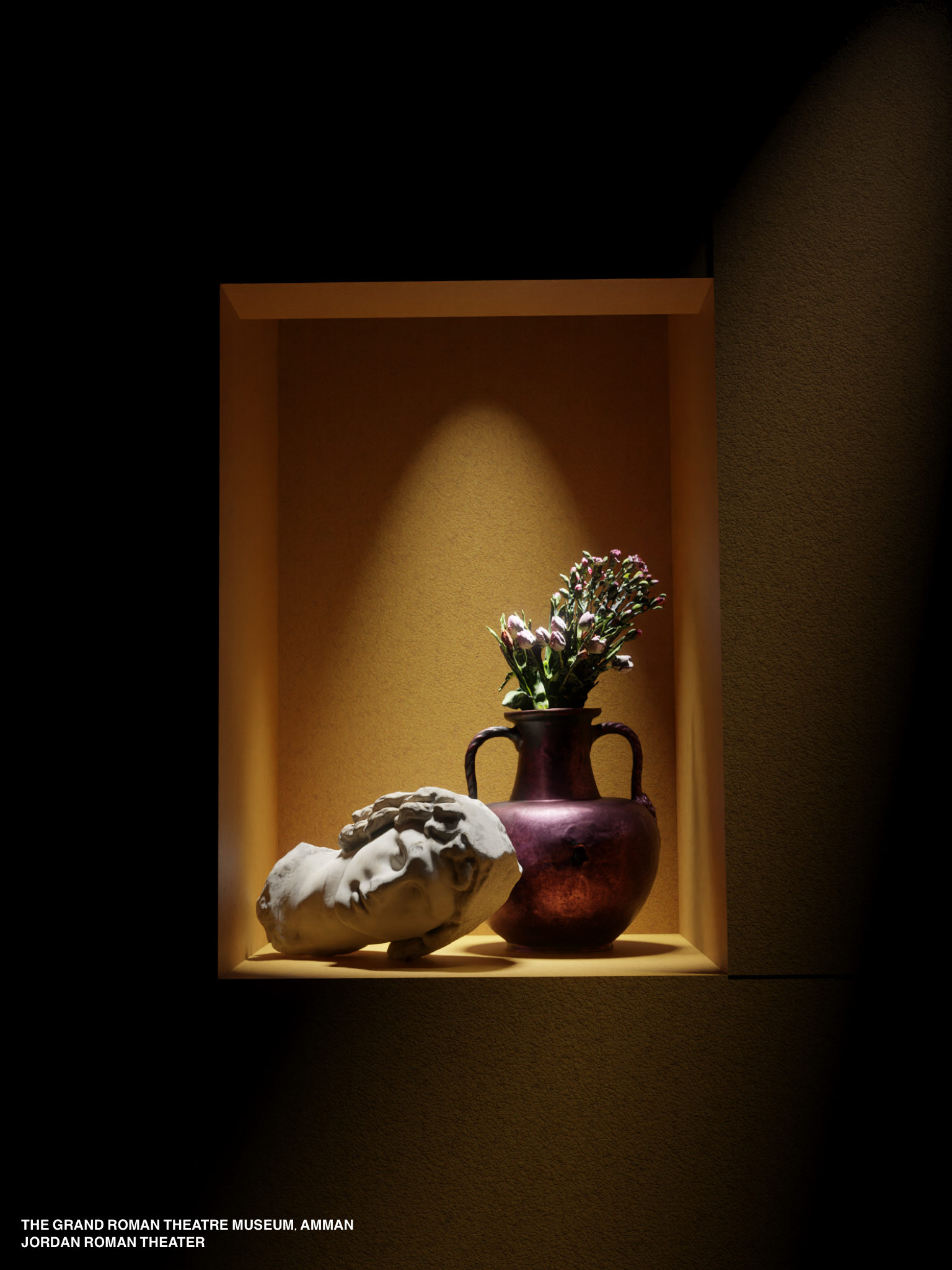
New insertions (cases, plinths, mounts) use curated colors for contrast.
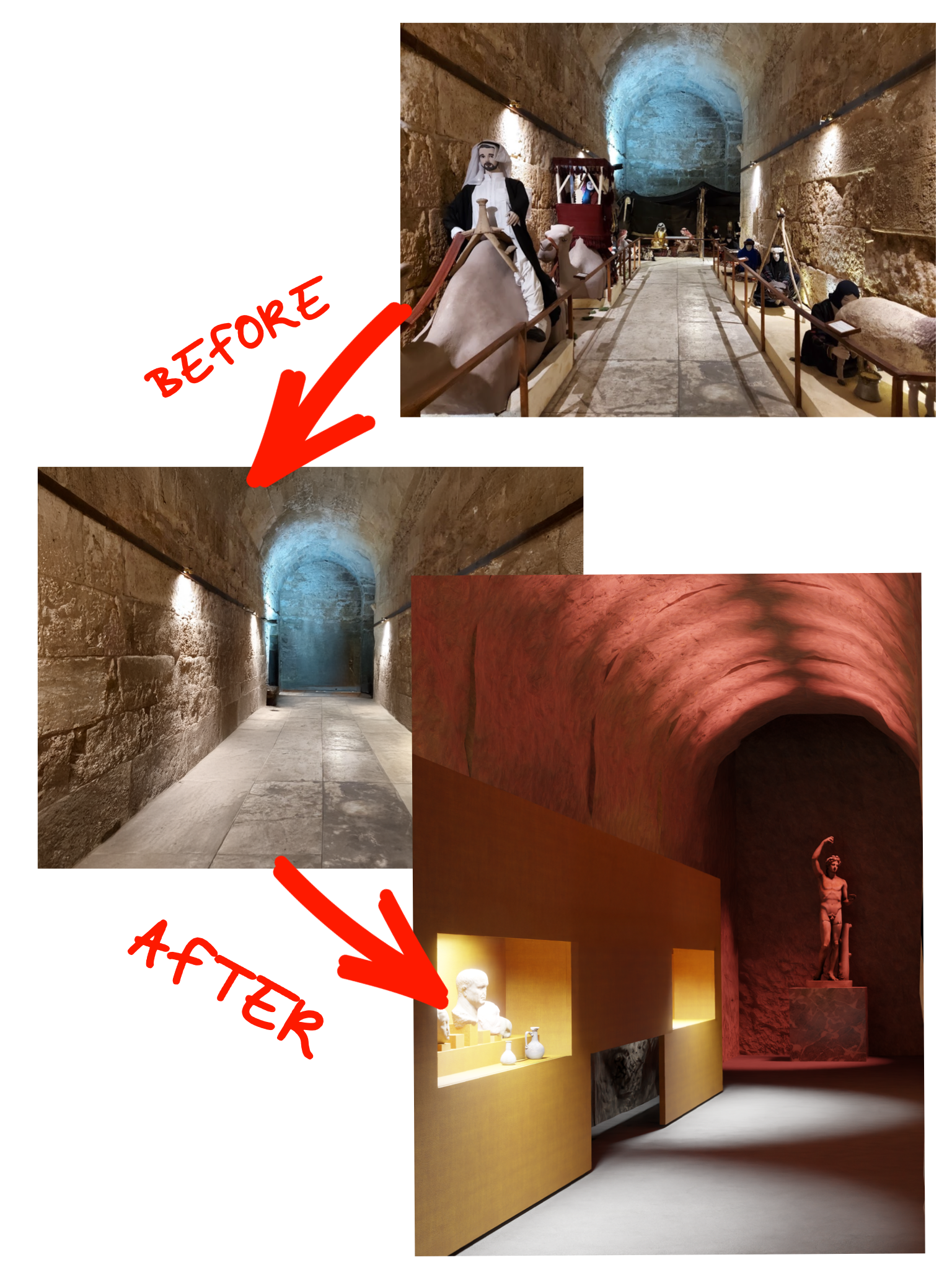
Explored palette directions include deep blue, muted red, and warm yellow accents used selectively — never decorative, always interpretive.
8. INTERPRETATION SYSTEM (LABELS & GRAPHICS)
Professional interpretive panels required.
• Thick, rigid museum-grade label panels
• Object labels + thematic panels
• Possible spatial orientation map
• No printed paper sheets or temporary signage
9. VISITOR COMFORT
• Discreet benches in Room 3
• Possibly limited seating in Room 2
No seating in tunnel corridor (Room 1)
10. STAFF & SECURITY PRESENCE
Shift from guard presence → institutional museum staff presence.
• Uniformed museum security attire
• No domestic furniture
• Reduced visible staff clutter
11. BATHROOM DECISION
Two paths:
1. Full museum-grade renovation
2. Decommissioning from visitor use
No “halfway” solution.
12. ELEMENTS TO BE REMOVED
• All existing commercial-style glass cabinets
• Visible cabinet doors and locks
• Outdated spotlight systems
• Visual clutter and temporary partitions
• Domestic railings
• Excess glass panels blocking light inconsistently
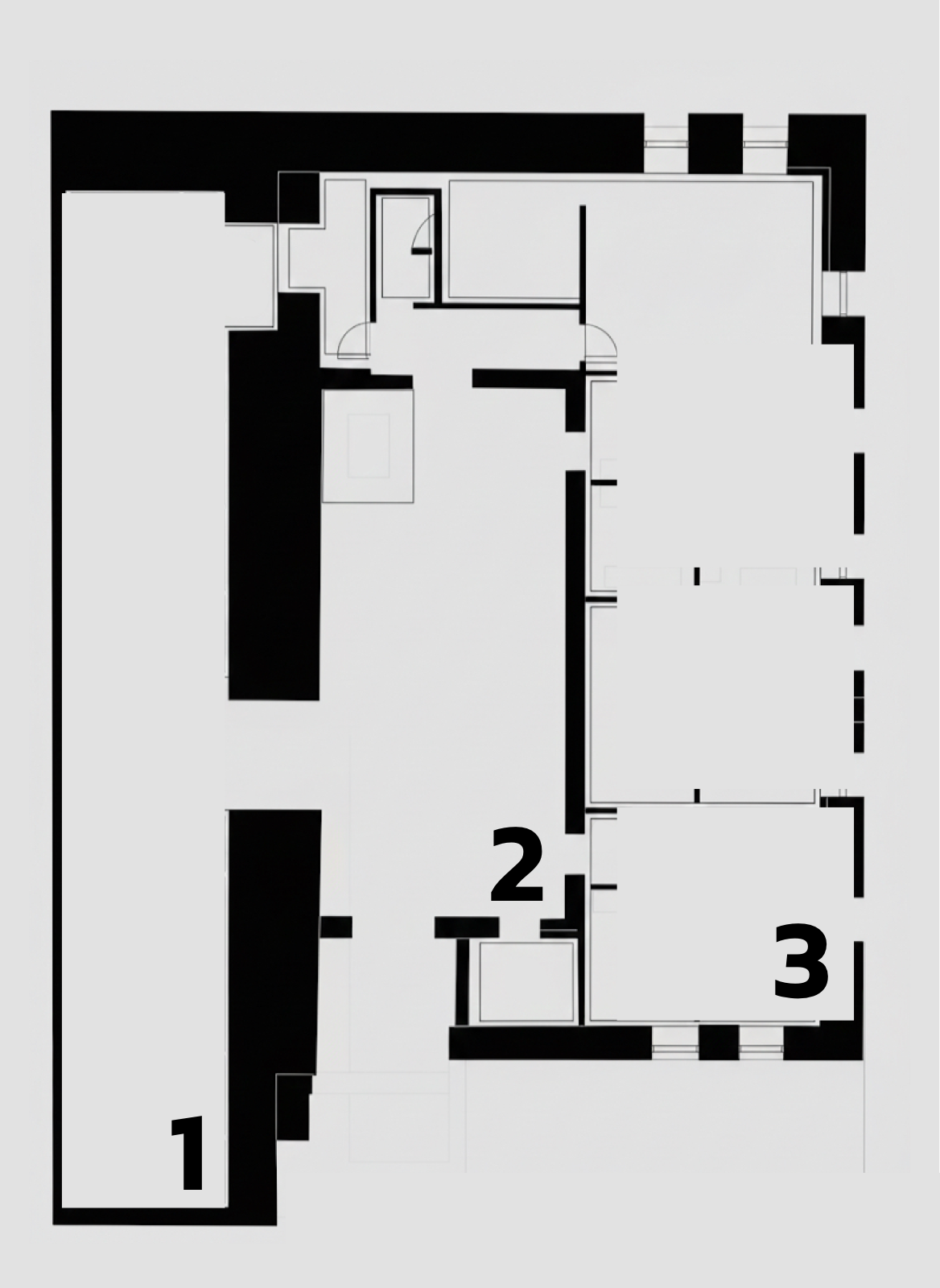
HISTORICAL ANCHOR (VERY IMPORTANT – FOR CREDIBILITY)
The underground corridors and rooms beneath Roman theatres were typically used for:
• Circulation (performers, animals, stage crews)
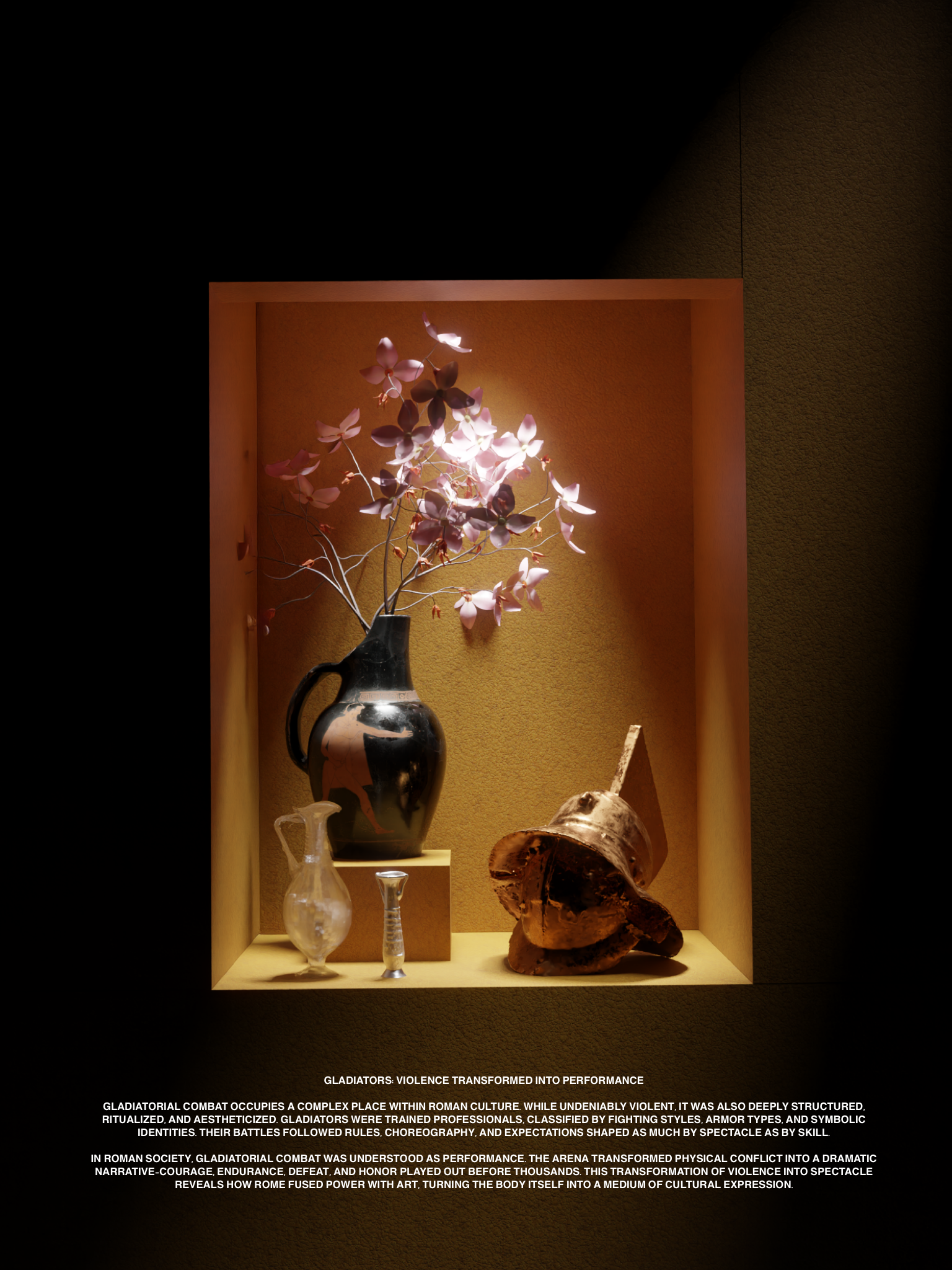
• Holding and preparation spaces (actors, gladiators, musicians)
• Mechanical access (stage machinery, lifts, trapdoors)
• Processional movement before emergence into the arena
-
“Beneath the Theatre: Power, Art, and Anticipation”
This is the emotional engine of the museum.
Core Narrative
This corridor represents life beneath the stage — the world of performers, gladiators, animals, and ritual preparation. It is not documentary; it is experiential and symbolic.
This space communicates:
• Roman might
• Discipline and ritual
• Performance as art
• Violence transformed into culture
Not brutality — aestheticized power.
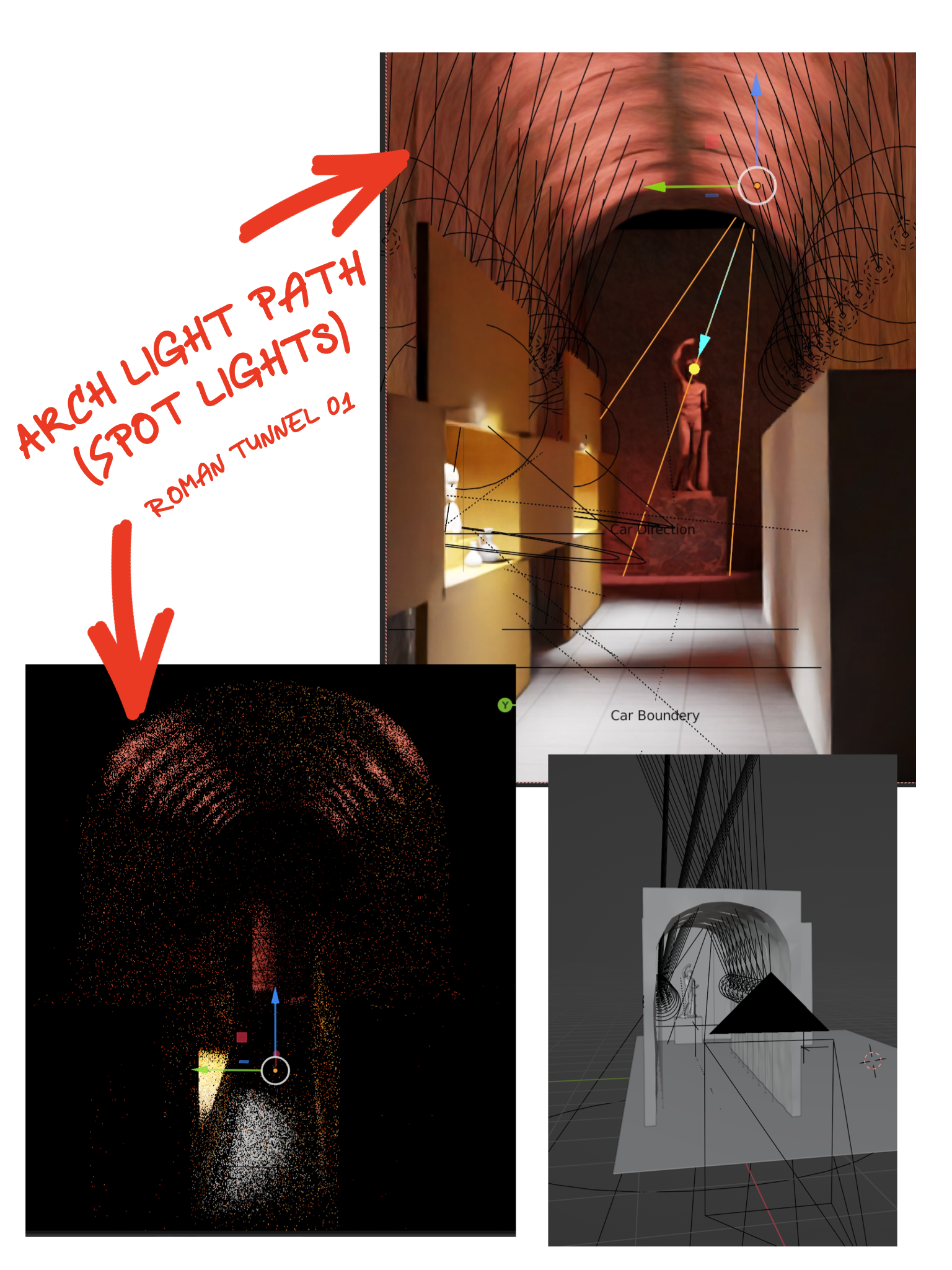
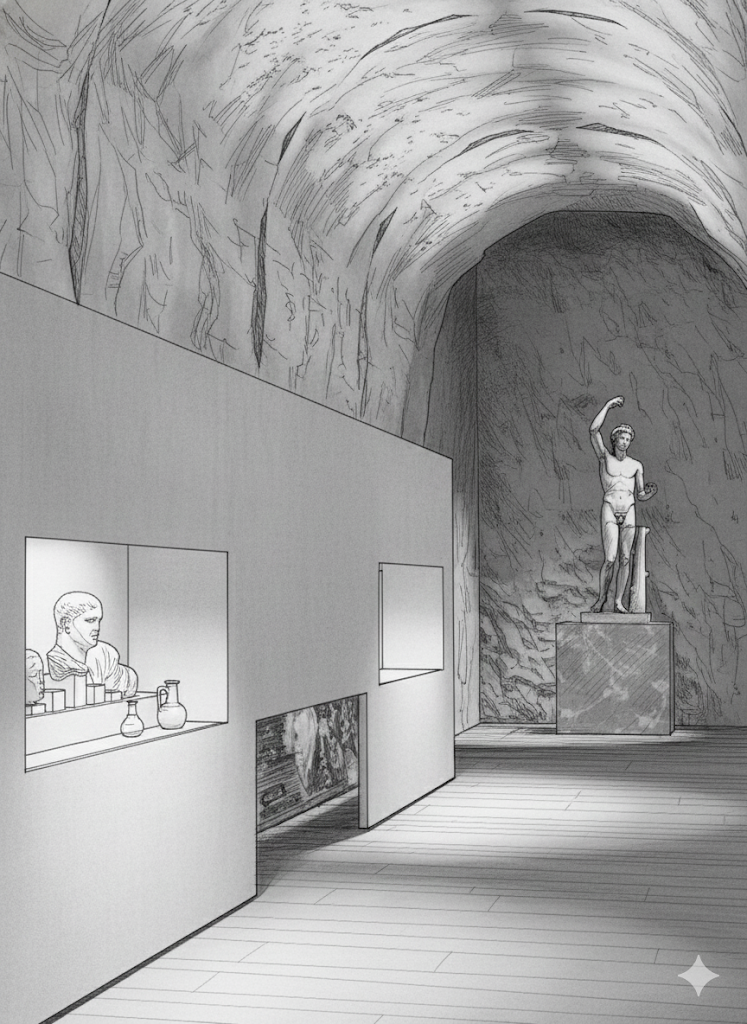
Spatial & Sensory Strategy
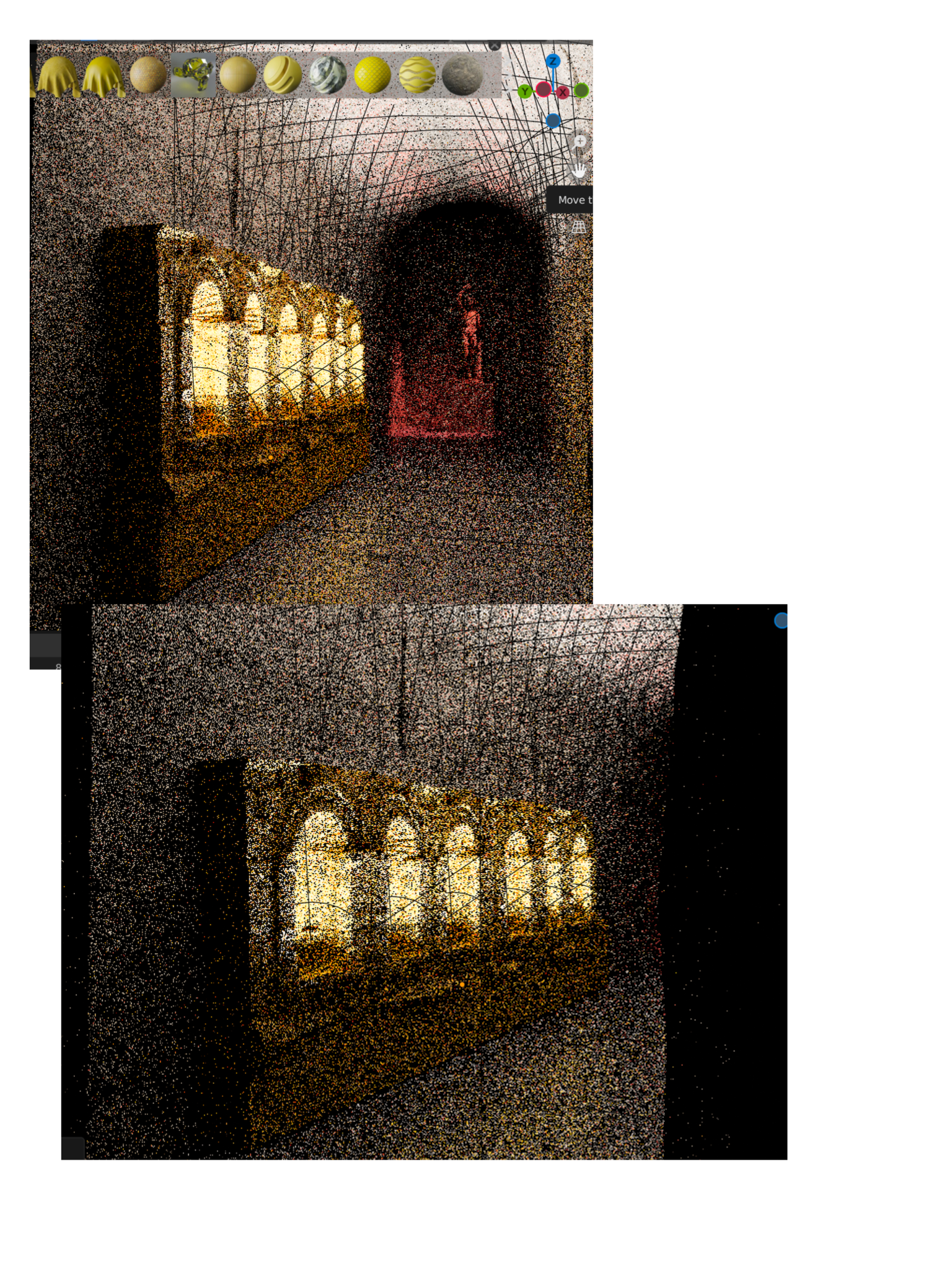
• Low, directional lighting
• Controlled darkness that pulls the visitor forward
• Strong axial symmetry
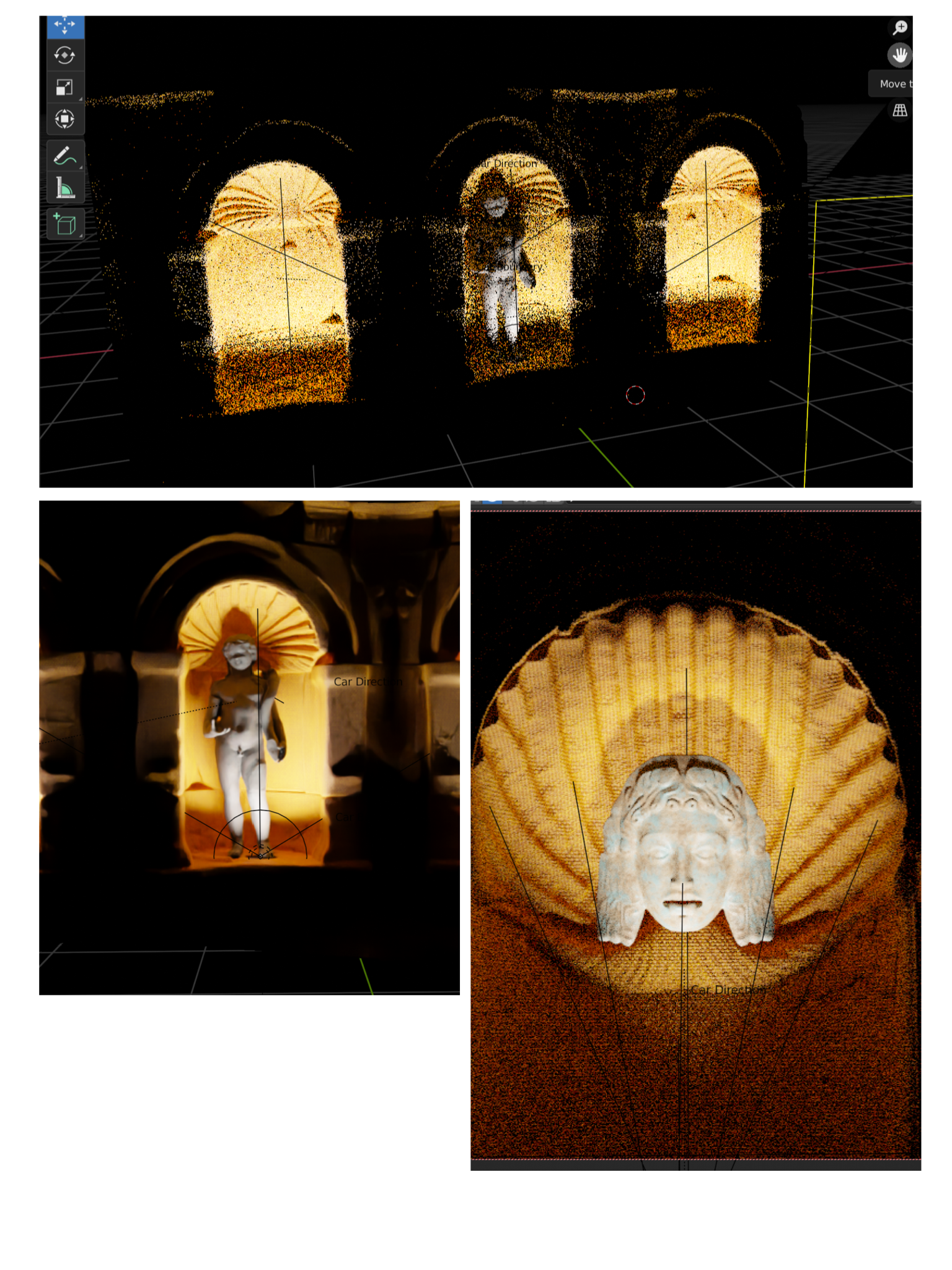
• A focal point at the end (statue / sculptural fragment / symbolic figure)
• Silence, or very low ambient resonance (optional, not theatrical)
The lighting should never explain everything.
It should make people search.
Artifact & Object Language
You are right: the sky is the limit, but curation must be selective.
Appropriate here:
• Gladiator helmets (especially decorative or class-specific types)
• Swords, daggers, shields (museum-grade or replicas)
• Arrowheads and weapon fragments
• Reliefs or fragments depicting combat or spectacle
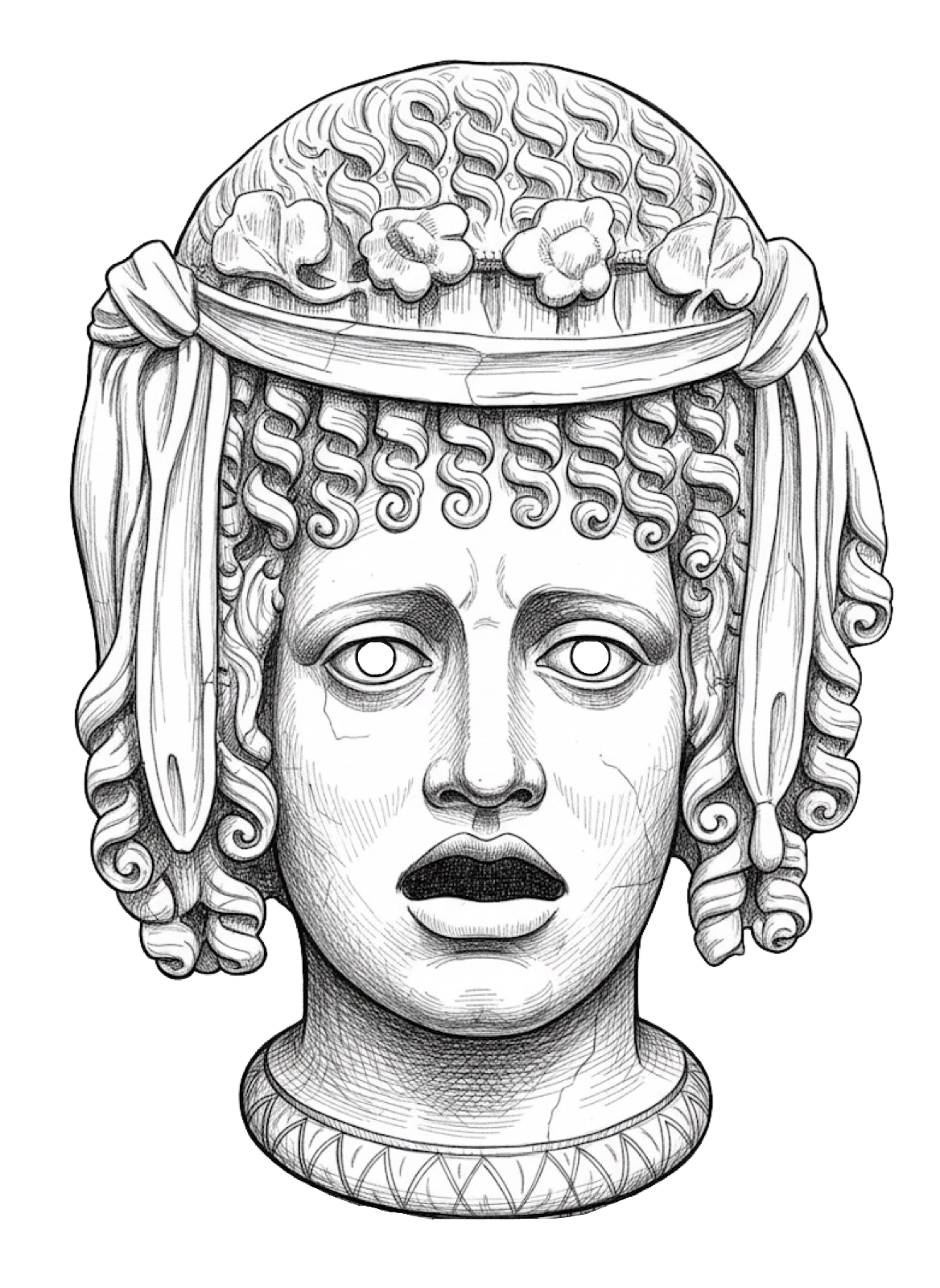
• Theatre masks (dramatic and symbolic)
• Mosaic fragments or fresco remnants
• Tesserae (admission tokens)
• Bronze elements or fittings
No clutter.
Each object should feel like it belongs to a ritual.
End-of-Corridor Moment
At the termination point:
• A statue, relief, or symbolic form
• Single spotlight
• Absolute compositional clarity
This is the moment that gives visitors goosebumps.
This corridor should feel like the last place you stand before stepping into history.
-
“The Theatre as Institution”
This room resets the visitor intellectually.
Core Role
This is not a heavy artifact room.
It is a conceptual anchor.
It answers:
• What is this place?
• Why does this theatre matter?
• How does everything connect?
Narrative Focus
• Roman theatre as civic institution
• Public ritual, authority, and collective experience
• Philadelphia (Amman) as a Roman city, not a peripheral site
Display Strategy
• One central visual or sculptural reference (model, relief, map)
• Clear diagrams:
• Seating hierarchy
• Relationship between stage, city, and audience
• Minimal objects, maximum clarity
Design Tone
• Balanced light
• Calm, authoritative
• No shock, no spectacle
This is where the visitor understands before continuing.
Think of it as:
The mind of the museum.
-
“Philadelphia: Life, Culture, and the Roman World”
This is where the museum expands beyond the theatre without losing focus.
Core Narrative
If the corridor is emotion
and the central hall is meaning,
these rooms are context and material proof.
Content Direction
These rooms explore:
• Roman Philadelphia as a living city
• Greco-Roman aesthetics and daily life
• Architecture, decoration, and craft
• How theatre fit into a broader urban and cultural system
Appropriate Displays
• Marble architectural fragments
• Columns or column sections (if available)
• Sculptural fragments
• Domestic and civic artifacts
• Decorative elements
• Coins, inscriptions, everyday objects
This is where archaeology breathes.
Optional Sub-Themes
• The Decapolis network
• Artisans and craftsmanship
• Roman aesthetics in Jordan
Design Tone
• More open
• Slightly brighter than the corridor
• Emphasis on material, texture, stone, weight
This space reassures scholars, officials, and donors:
This is a serious archaeological institution.