The National Roman Theatre Museum
Roman Theatre and Civic Life in Ancient Amman
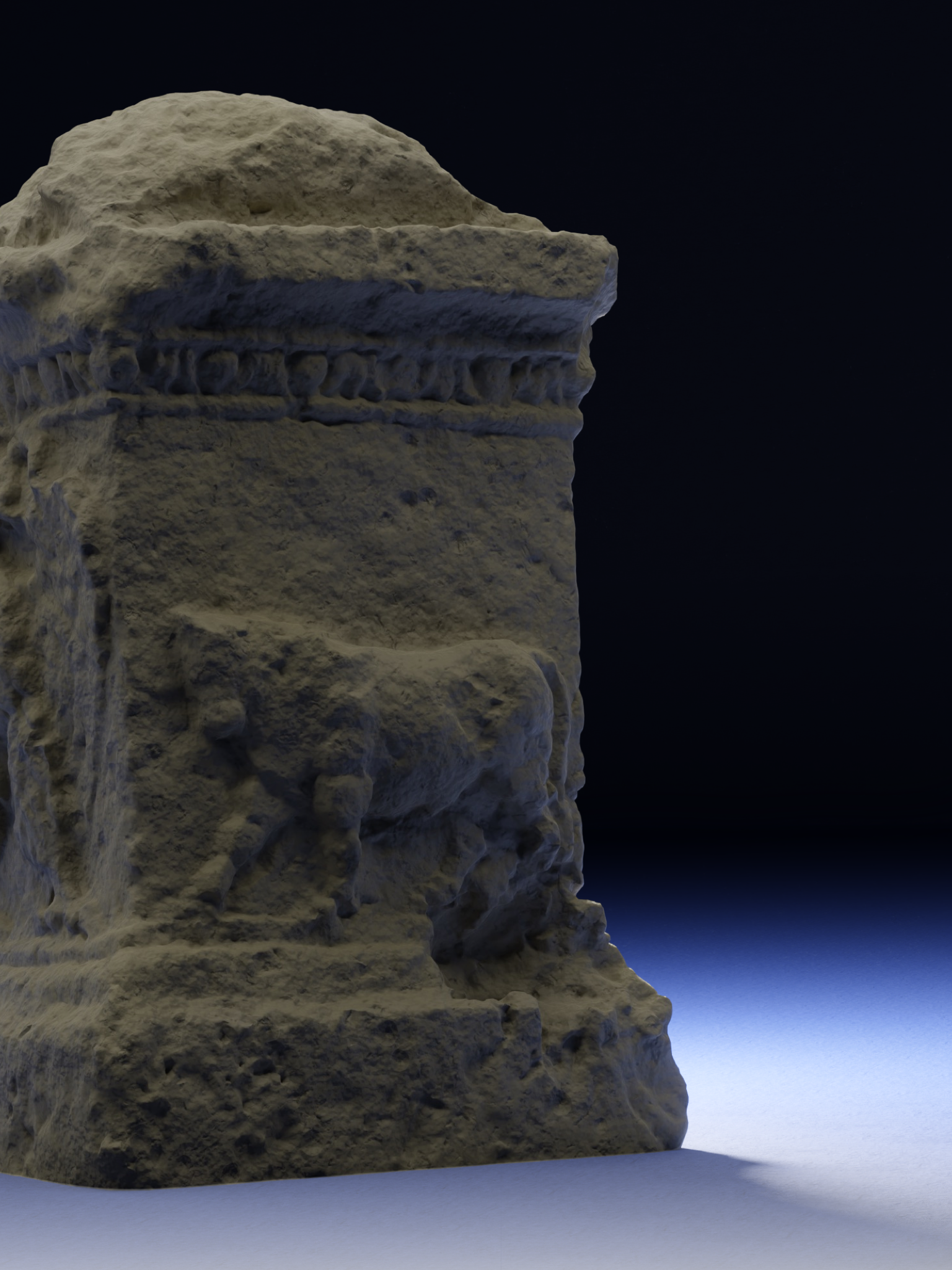
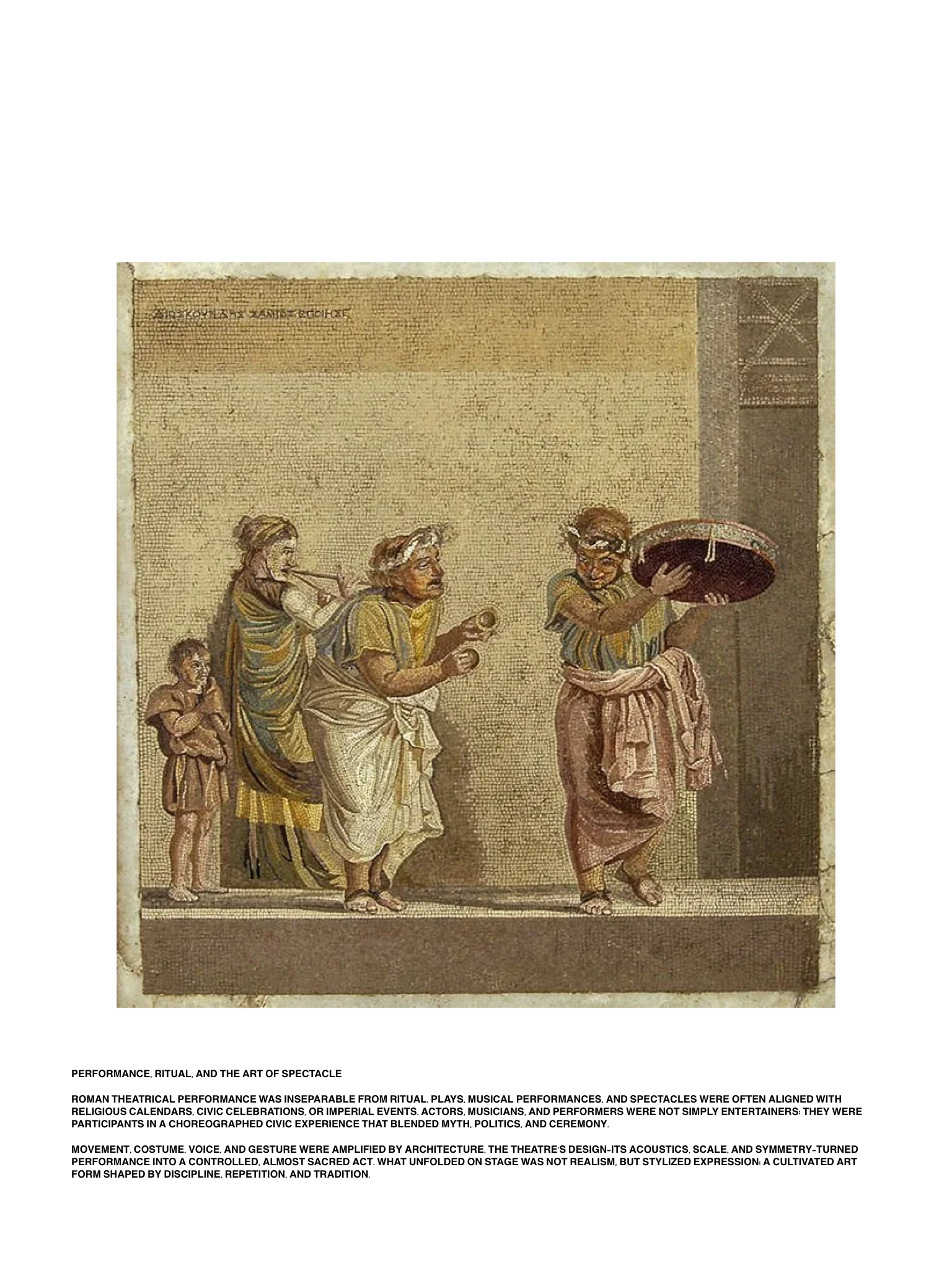
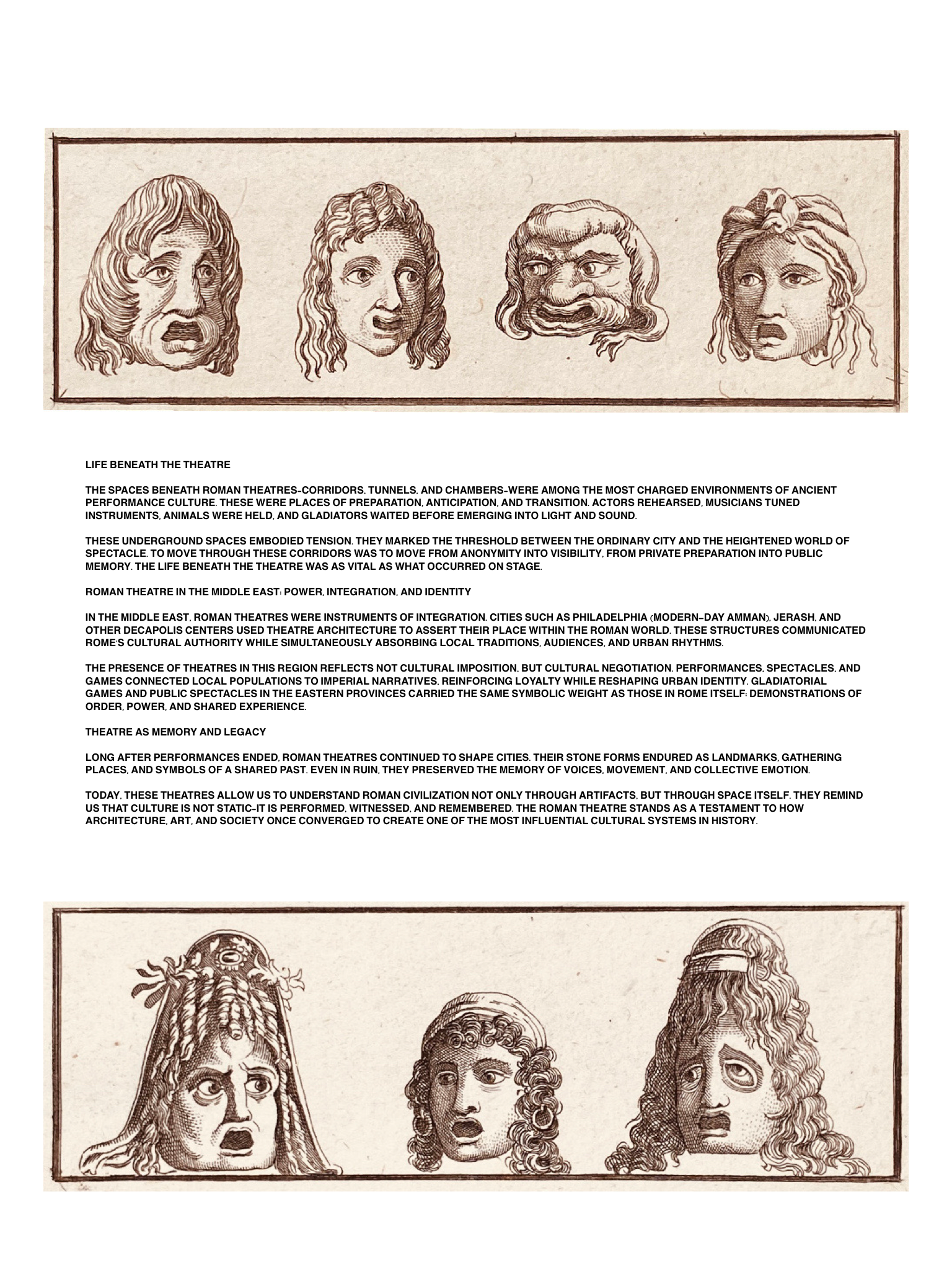
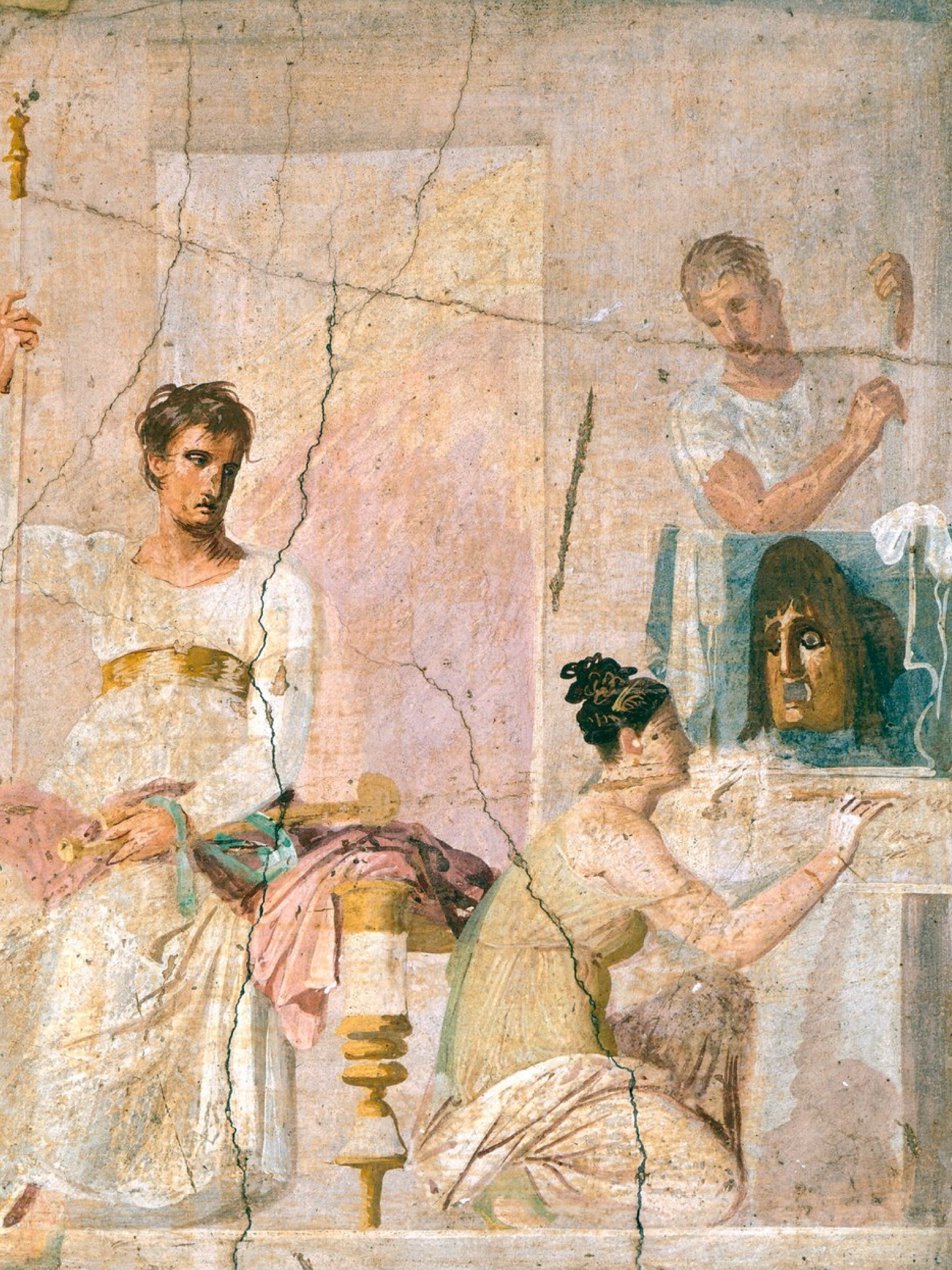
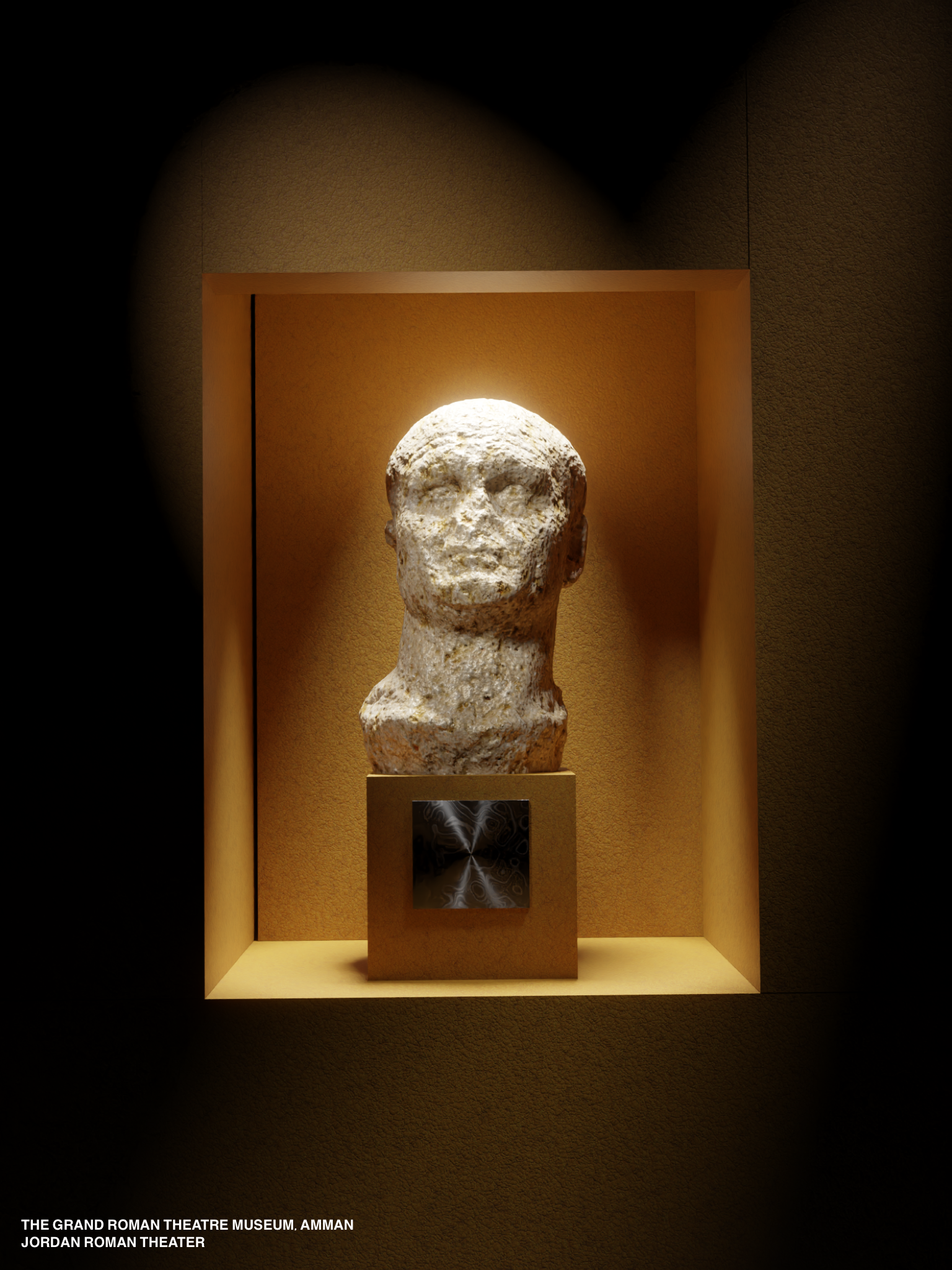
The Transformation Framework
The Transformation Framework
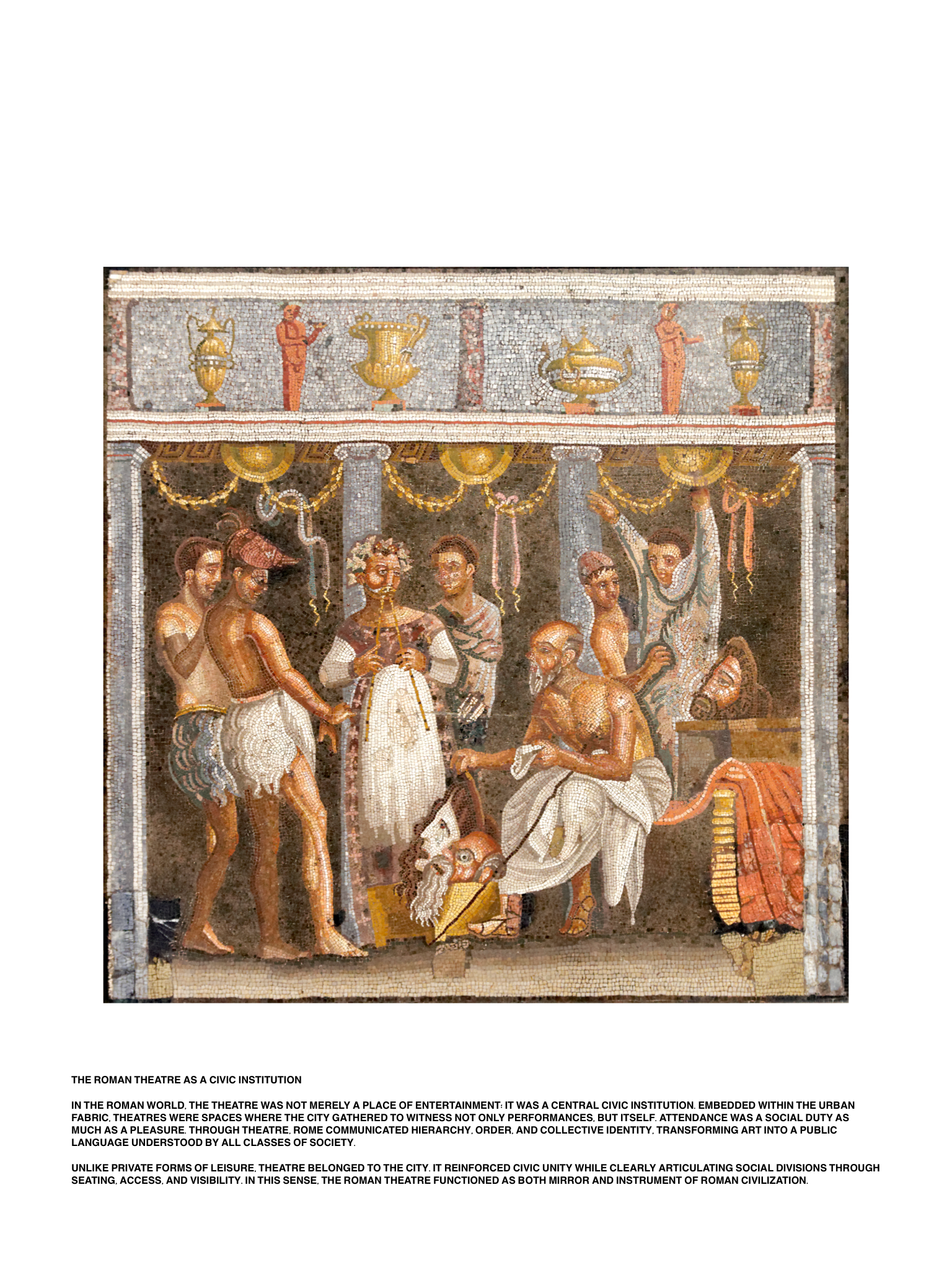
The foundation of the initiative lies in a rigorous research and interpretation phase. This stage focuses on understanding the Roman Theatre of Amman as a functional, cultural, and civic structure rather than as an isolated monument. Historical research, archaeological records, performance studies, and regional Roman history inform a new narrative framework rooted in authenticity and academic credibility.
This phase establishes the intellectual direction of the museum, defining key themes such as performance, spectacle, civic ritual, and urban life in Roman Philadelphia. It ensures that every future intervention—visual, spatial, or educational—emerges from a coherent interpretive vision.
Curatorial Reorientation and Content Selection
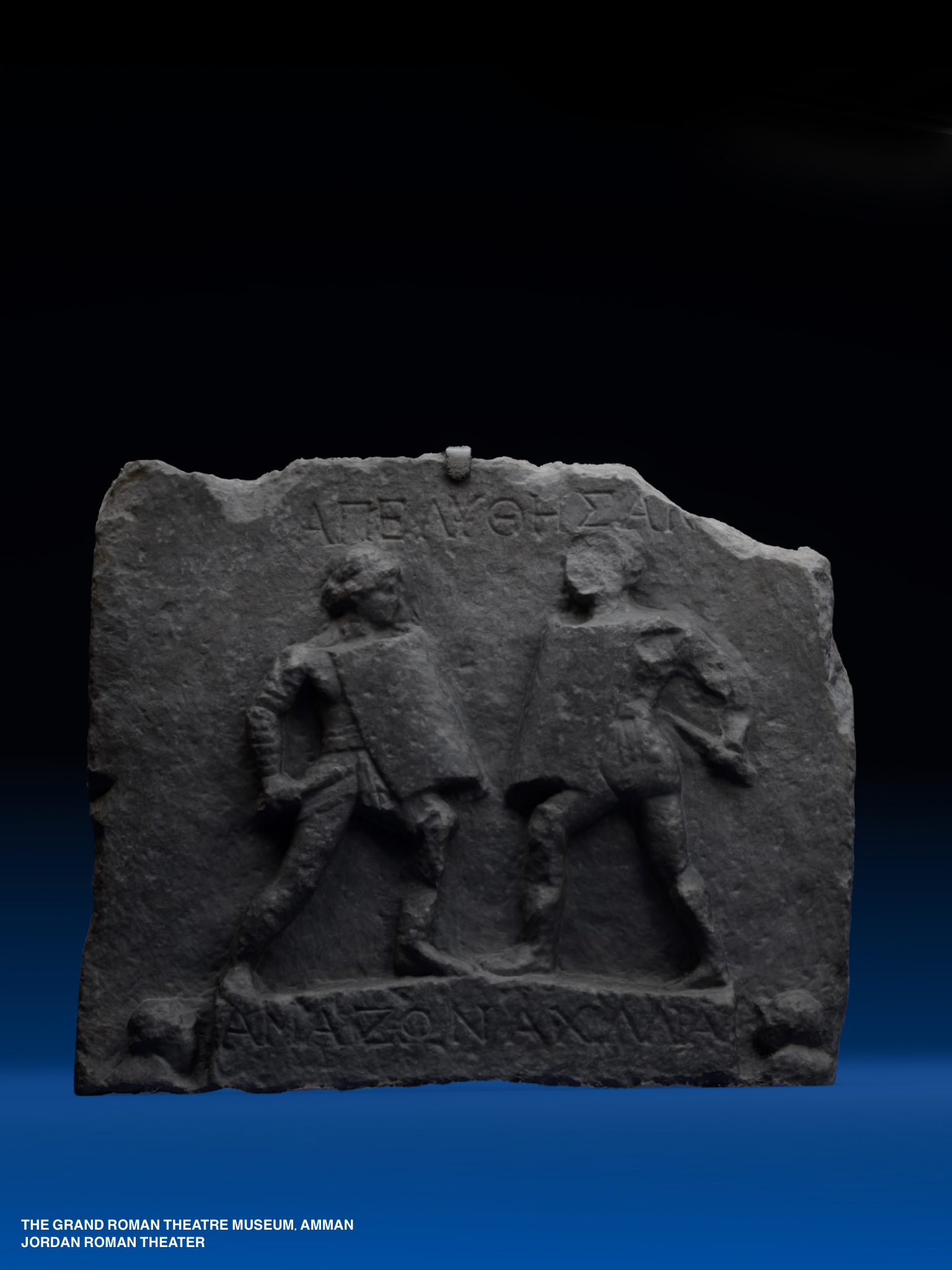
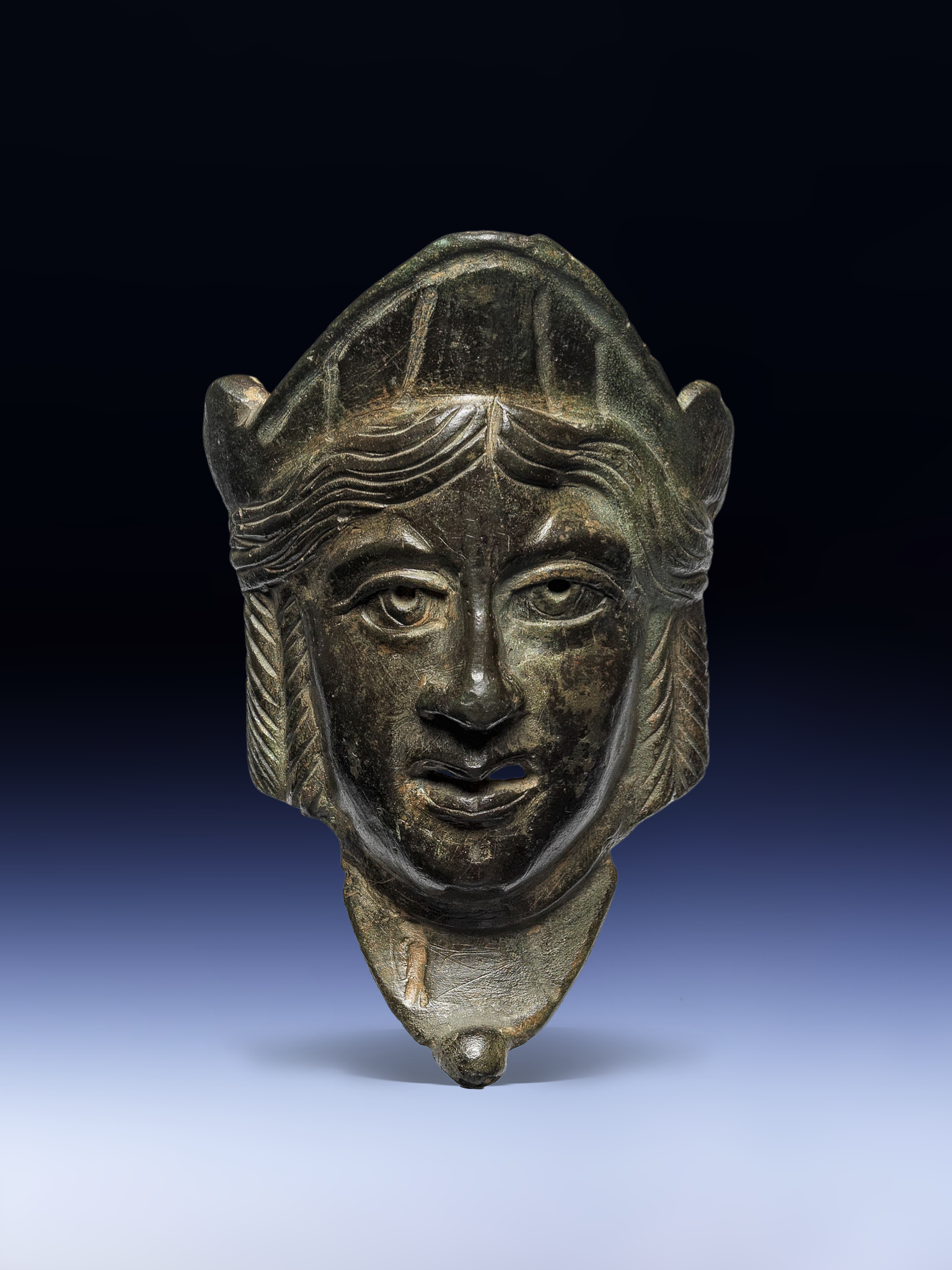
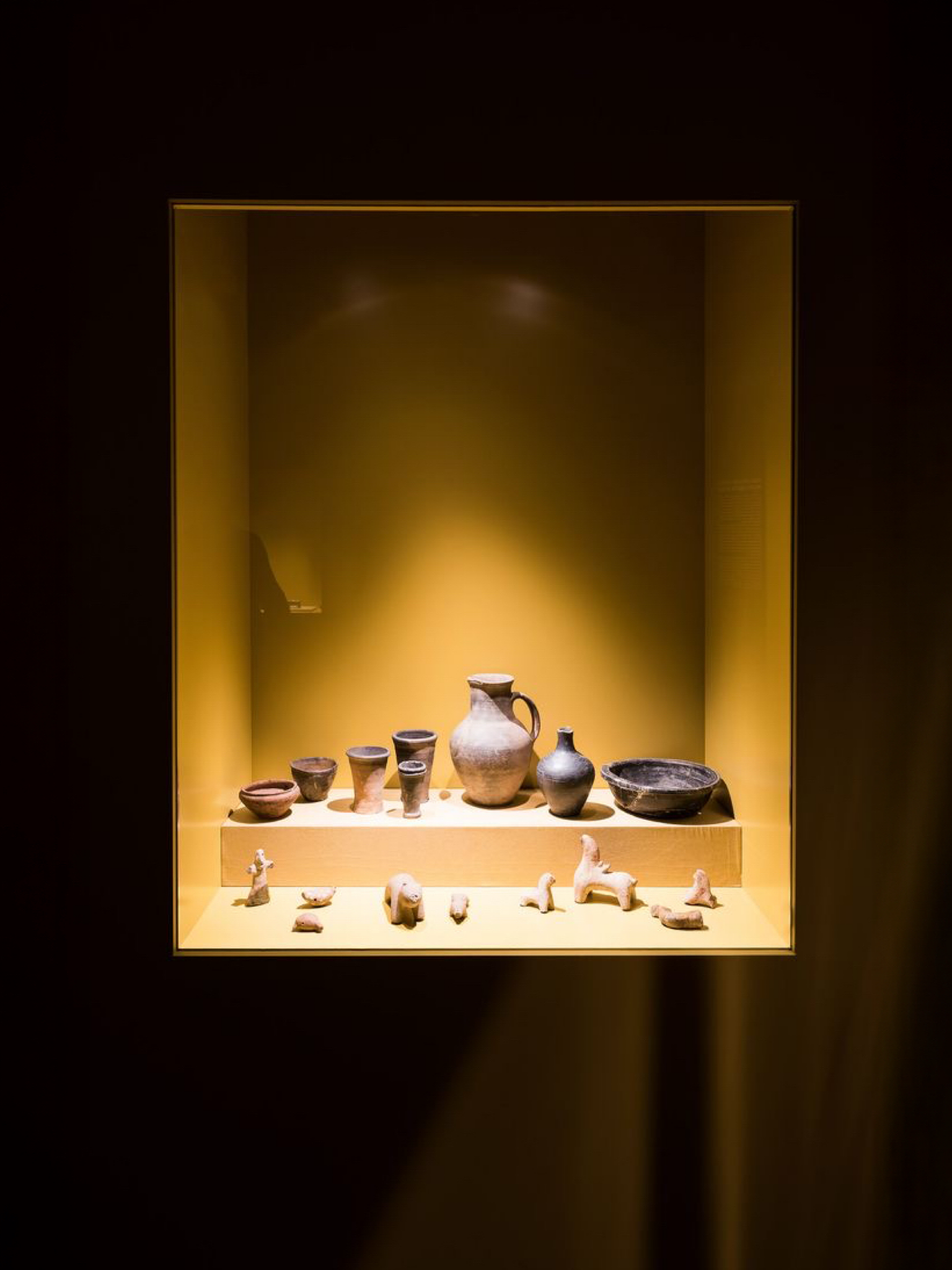
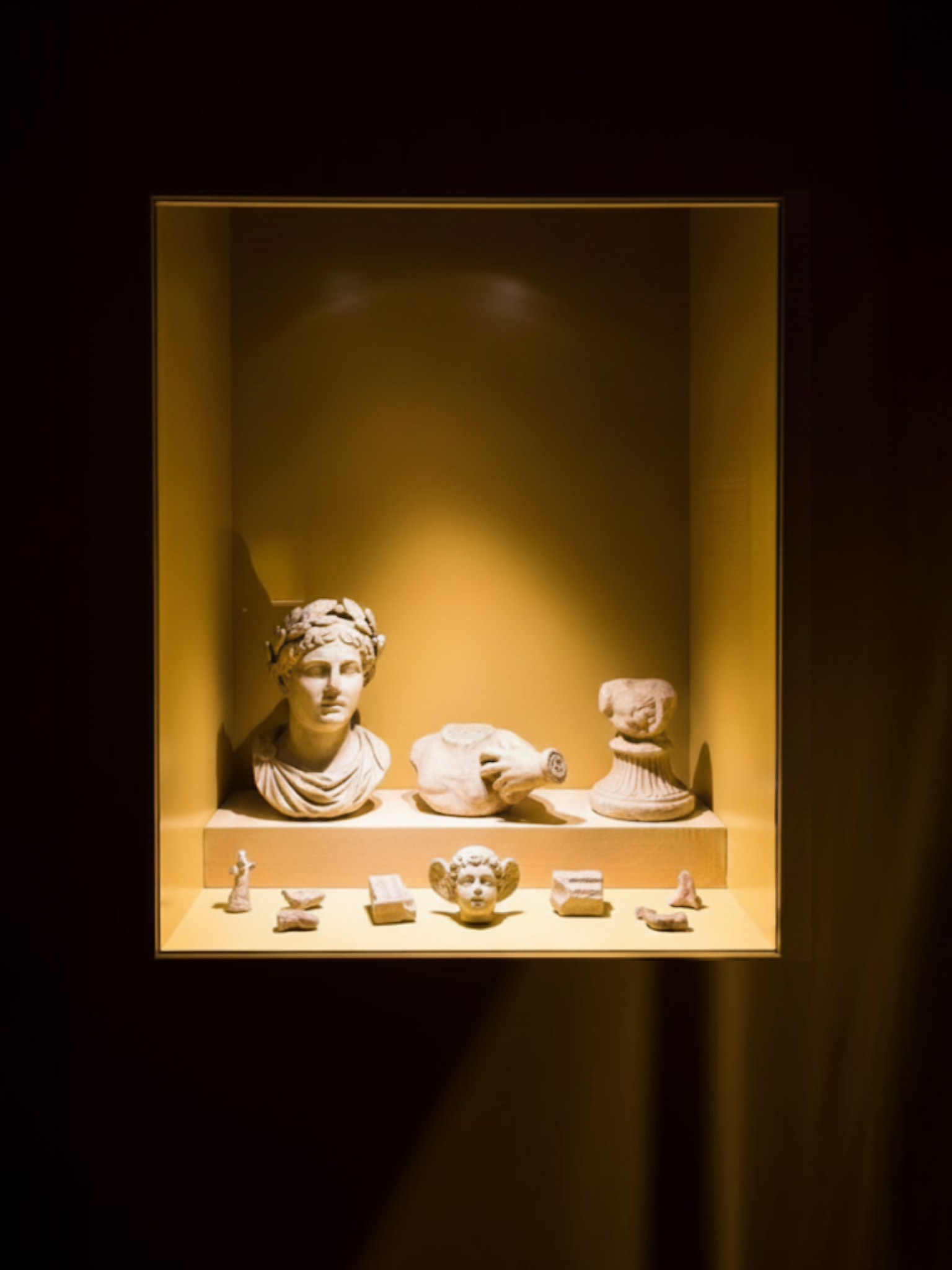
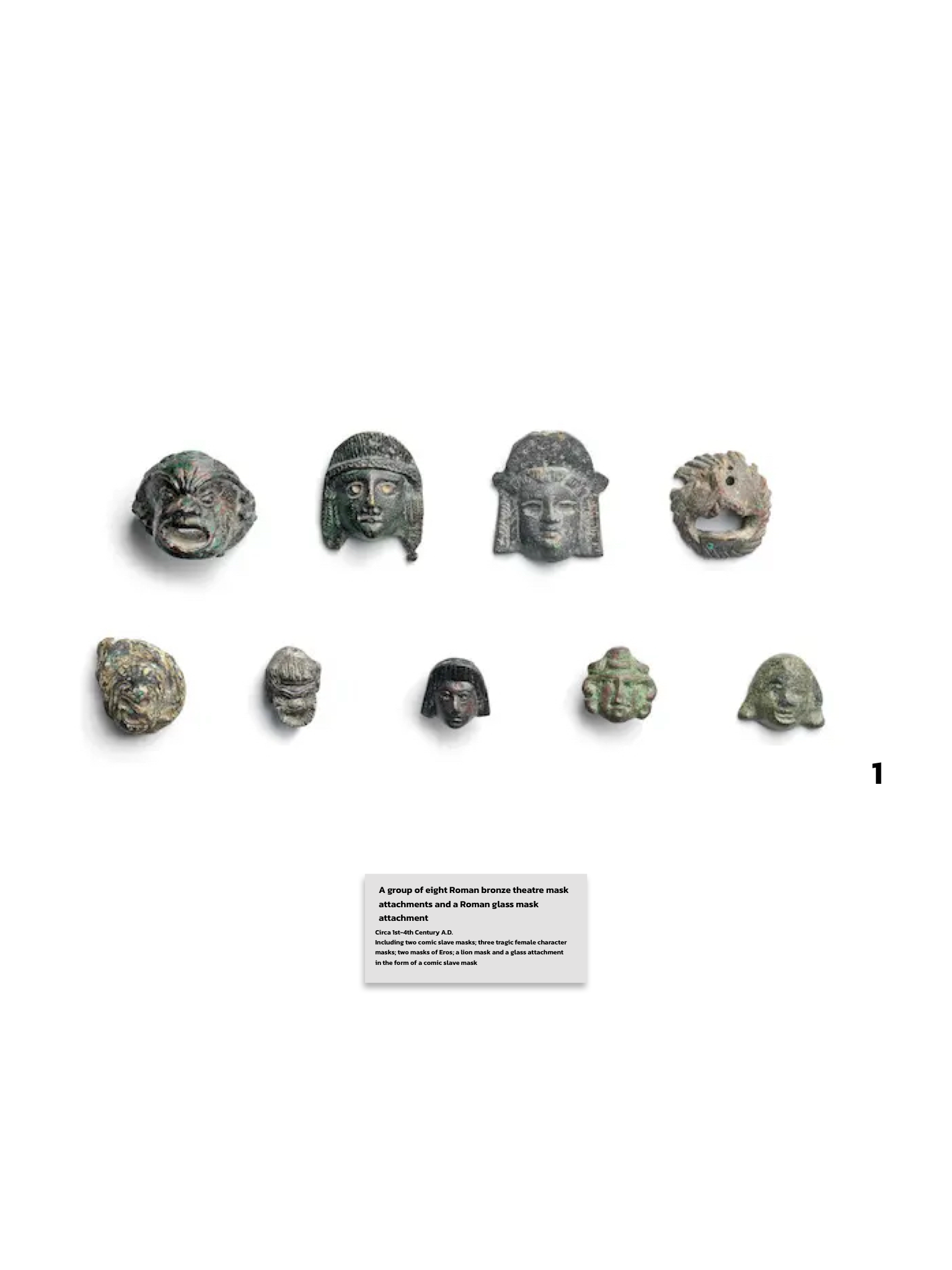
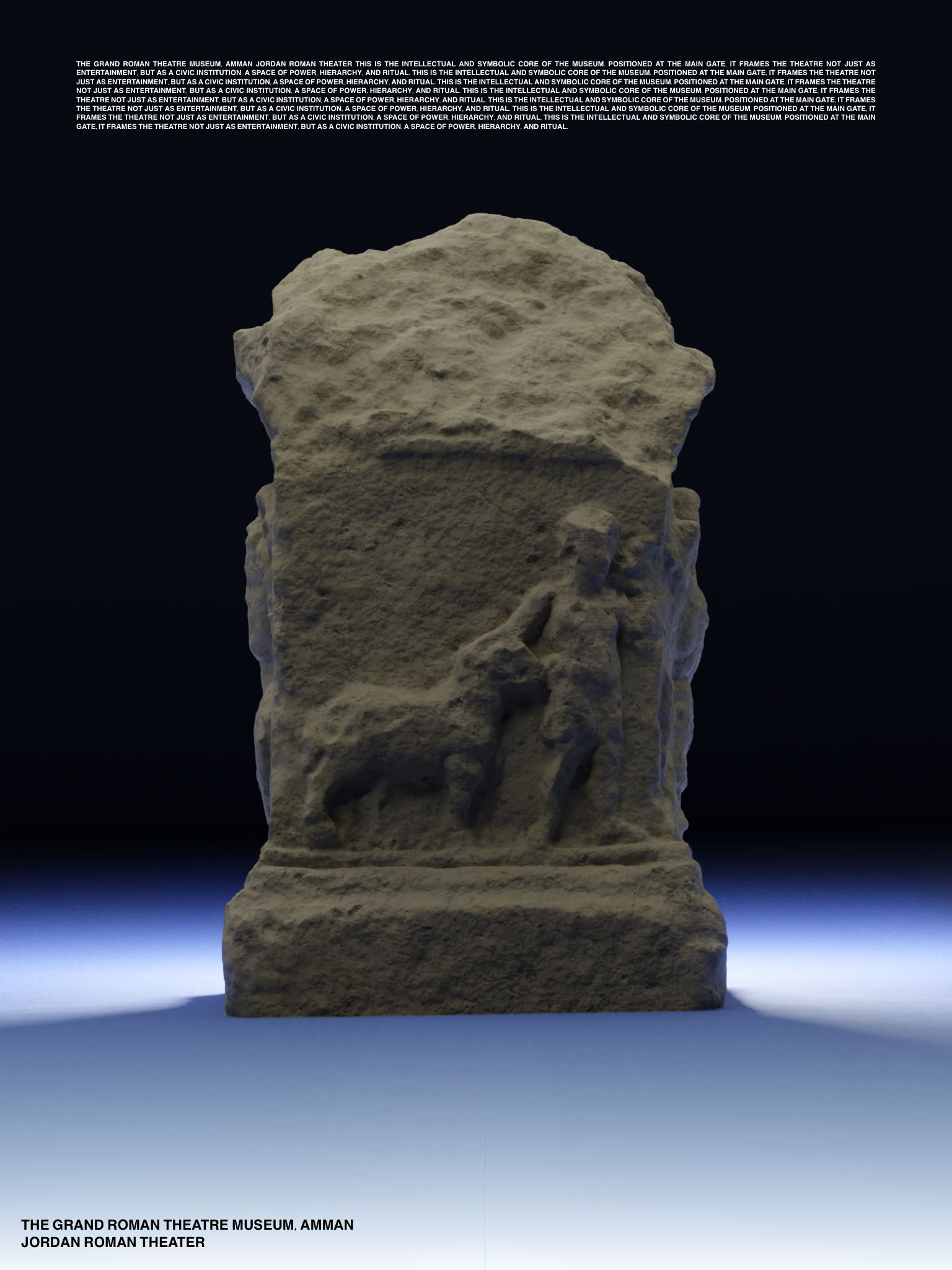
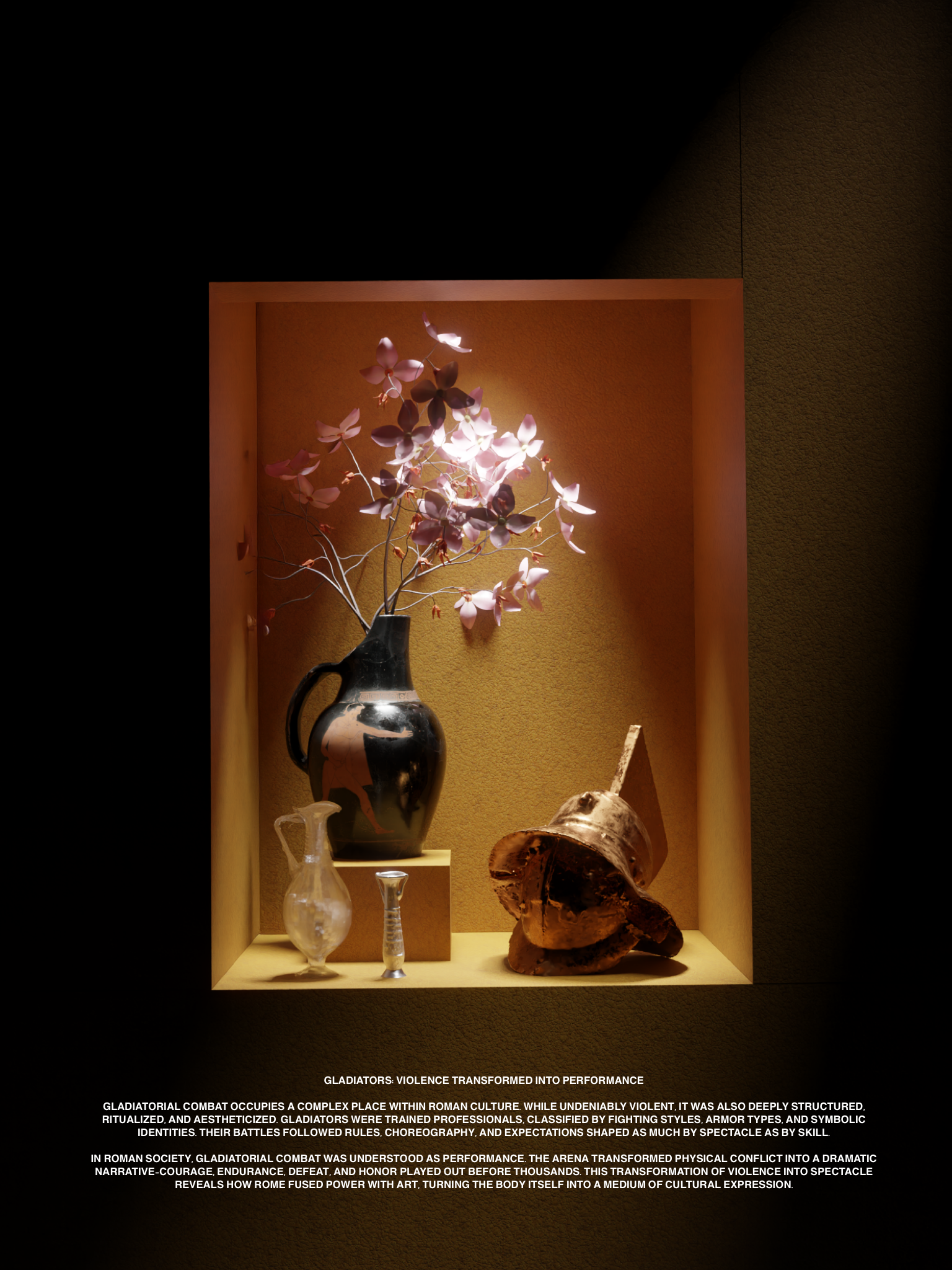
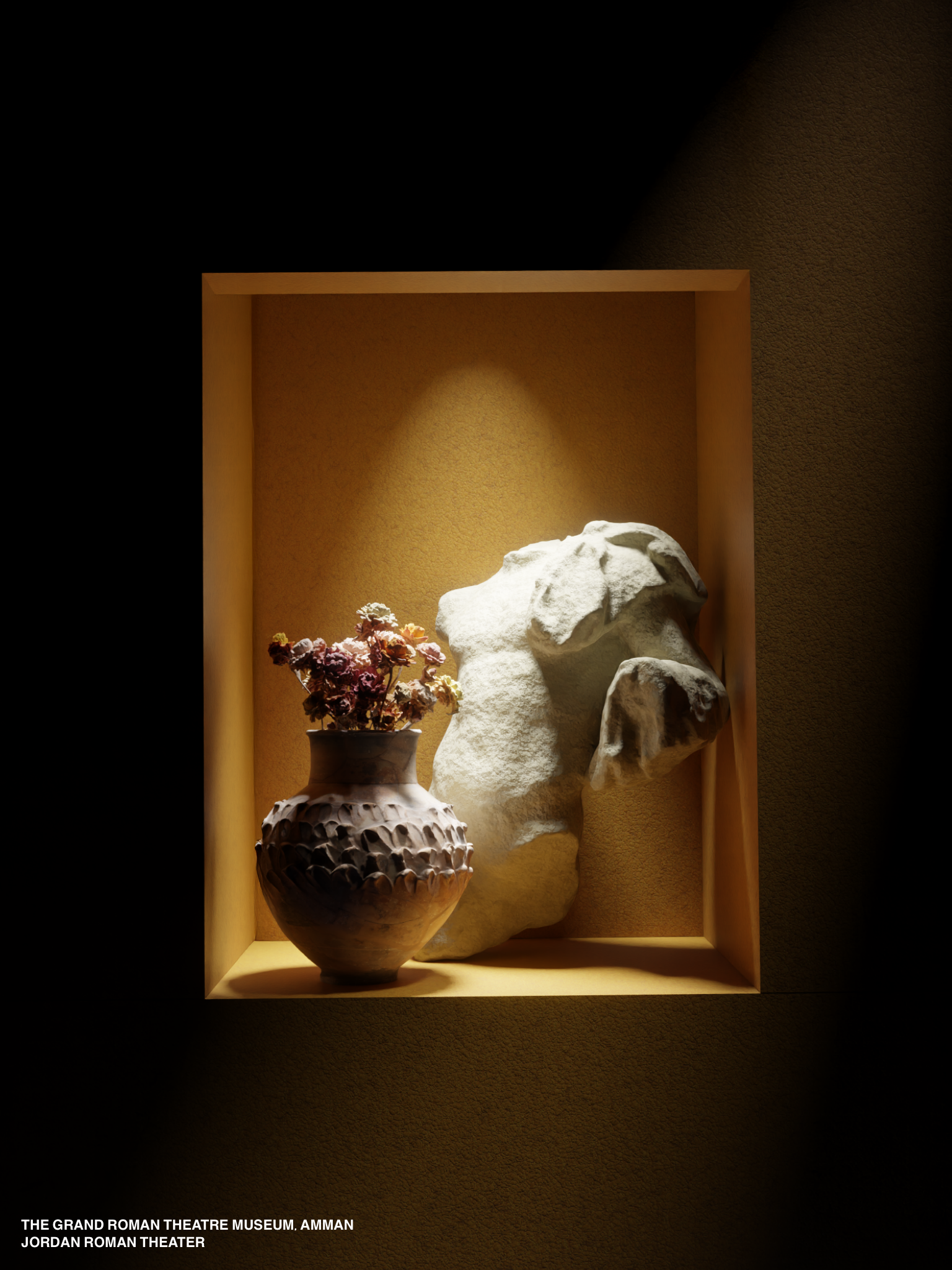
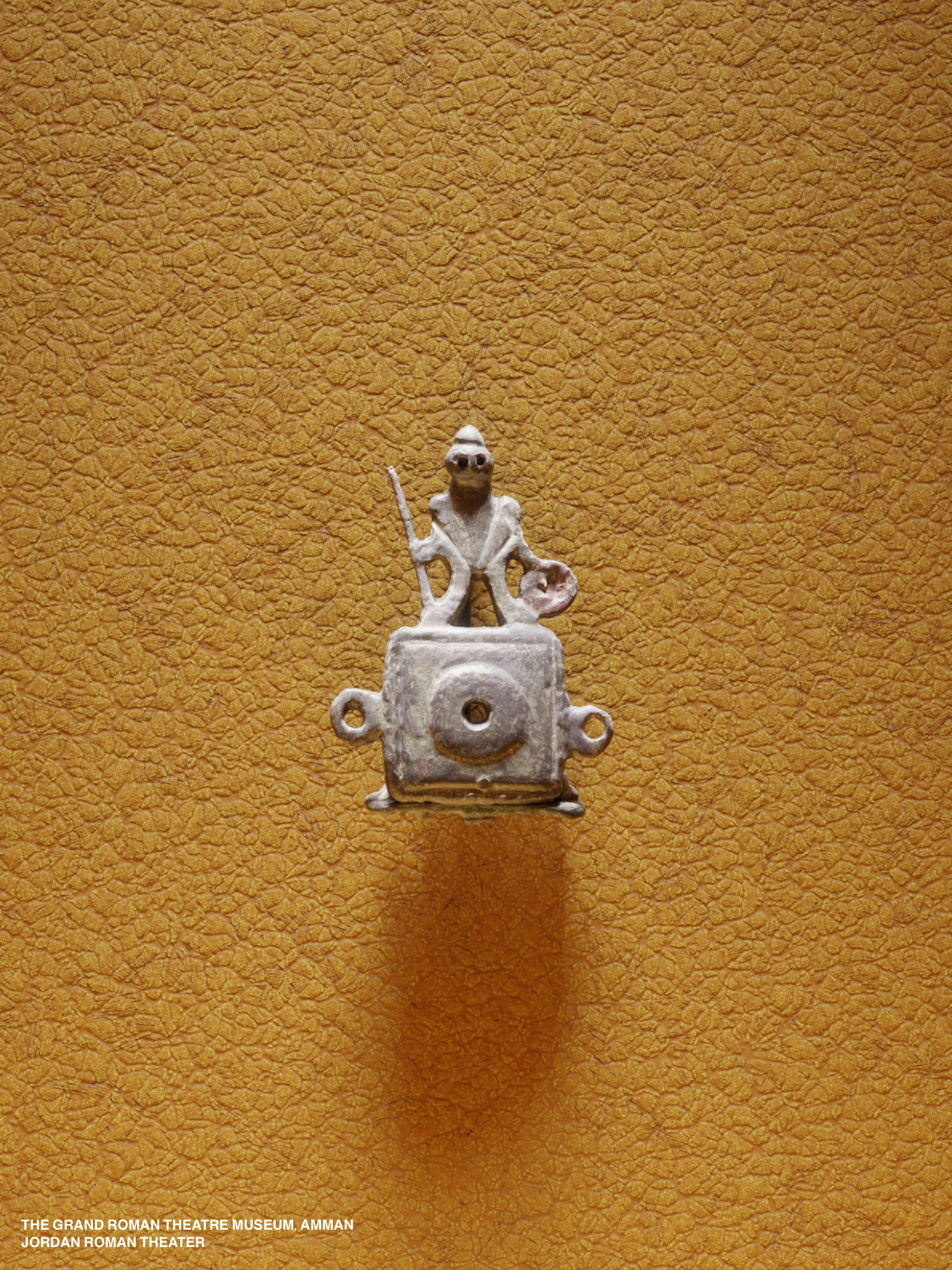
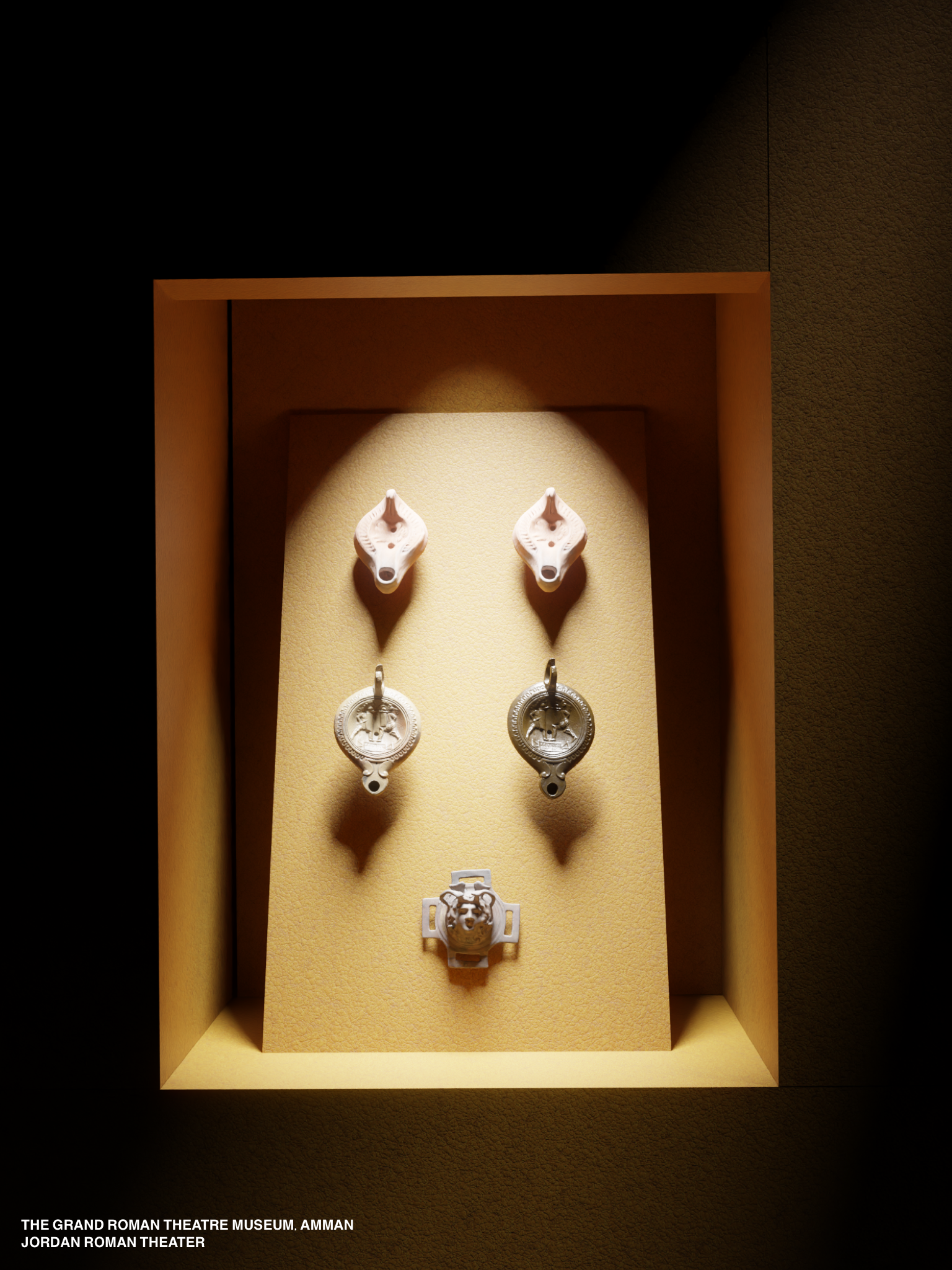
This pillar centers on redefining what is displayed and why. The initiative shifts away from generalized folkloric representation toward a focused, site-specific curatorial approach. Artifacts, replicas, reliefs, and visual materials are selected based on their relevance to Roman theatre, performance culture, and public life.
Where original objects are limited, interpretive strategies—including high-quality replicas, architectural fragments, and visual reconstructions—are employed to complete the narrative without compromising scholarly integrity. The emphasis remains on meaning, context, and clarity rather than quantity.
Collaborative Cultural Engagement
The transformation is conceived as a collaborative cultural process. Archaeologists, historians, curators, designers, artists, and cultural practitioners are invited to contribute knowledge, skills, and perspectives. Academic institutions, local experts, and international advisors may participate through research input, peer review, or voluntary collaboration.
This approach positions the museum not as a closed institution, but as a shared national project—one that values expertise, dialogue, and collective cultural ownership.
Spatial Reconfiguration and Experiential Design
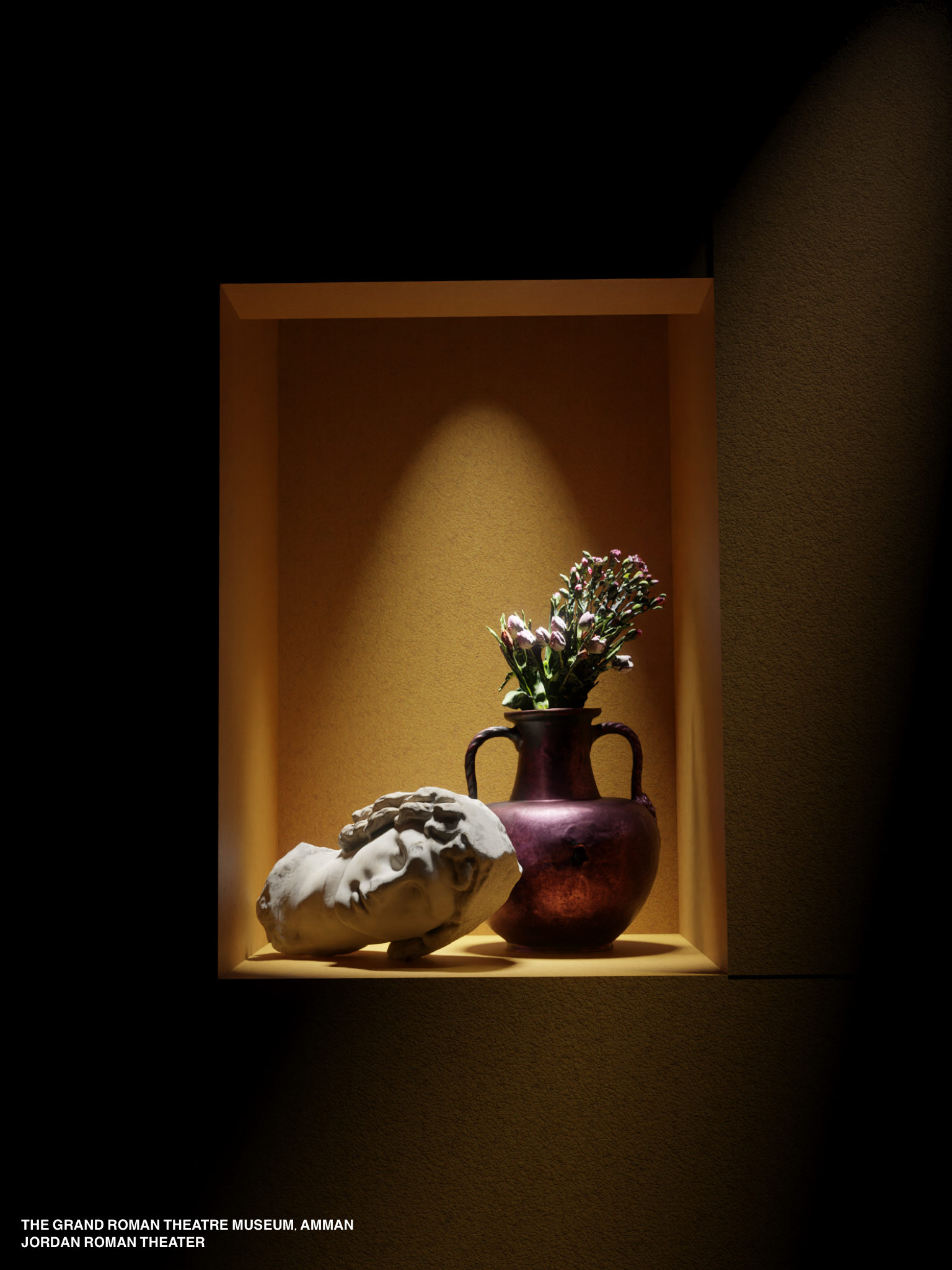
Rather than altering the historic architecture, the initiative reinterprets the existing spaces through light, material, narrative sequencing, and controlled display design. Each room type—the corridor, the central hall, and the inner rooms—is assigned a distinct interpretive role within a unified visitor journey.
The design strategy prioritizes atmosphere, restraint, and emotional engagement. The goal is to create an experience that is immersive without being theatrical, powerful without spectacle, and intellectually grounded without being didactic.
[هَمْس — قَافِيَة: (ـور)]
هُنَا…
حَيْثُ يَمْضِي الزَّمَانُ وَلَا يَدُورْ
وَحَيْثُ يَبْقَى الأَثَرُ نُورْ
حِجَارَةٌ
تَحْمِلُ الصَّوْتَ
وَتَحْفَظُ الدُّهُورْ
[دُخُولُ الأَوْتَار — نَفْسُ القَافِيَة]
قَبْلَ الأَسْمَاءِ
كَانَ لِلأَرْضِ حُضُورْ
وَقَبْلَ الصَّوْتِ
كَانَ الصَّمْتُ شُعُورْ
فِي الظِّلِّ
وُلِدَ الدَّوْرْ
وَبِالنَّفَسِ
اِكْتَمَلَ الظُّهُورْ
[صُعُود — صَوْتٌ نِسَائِيّ، قَافِيَة أَنْعَم (ـار)]
لَسْنَا بَدْءَ المَسَارْ
وَلَا آخِرَ الاِنْتِظَارْ
نَحْنُ خَطْوَةُ نُورٍ
بَيْنَ آثَارٍ… وَآثَارْ
نَحْمِلُ النَّظَرَ القَدِيمْ
وَحُلْمَ الغُبَارْ
وَنُسَلِّمُهُ لِلضِّيَاءِ
لِيَصِيرَ اِنْتِصَارْ
[الذِّرْوَة — الجَمِيع، قَافِيَة (ـود)]
هُنَا،
يَصِيرُ الجَسَدُ وُجُودْ
وَيَصِيرُ الصَّوْتُ خُلُودْ
وَيُصْبِحُ الوُقُوفُ
عَهْدًا مَمْدُودْ
مَا كَانَ لَحْظَةْ
صَارَ مَوْعُودْ
وَمَا كَانَ ظِلًّا
صَارَ شُهُودْ
[الخَاتِمَة — قَافِيَة هَادِئَة (ـان)]
نَفْتَحُ البَابَ
لَا لِلأَمْسِ
بَلْ لِلآنْ
نُعِيدُ الظِّلَّ إِلَى مَكَانِهِ
وَنَقُولُ لِلزَّمَانْ:
تَعَالَ…
هَذَا أَمَانْ
Opening Ceremony — A Living Threshold
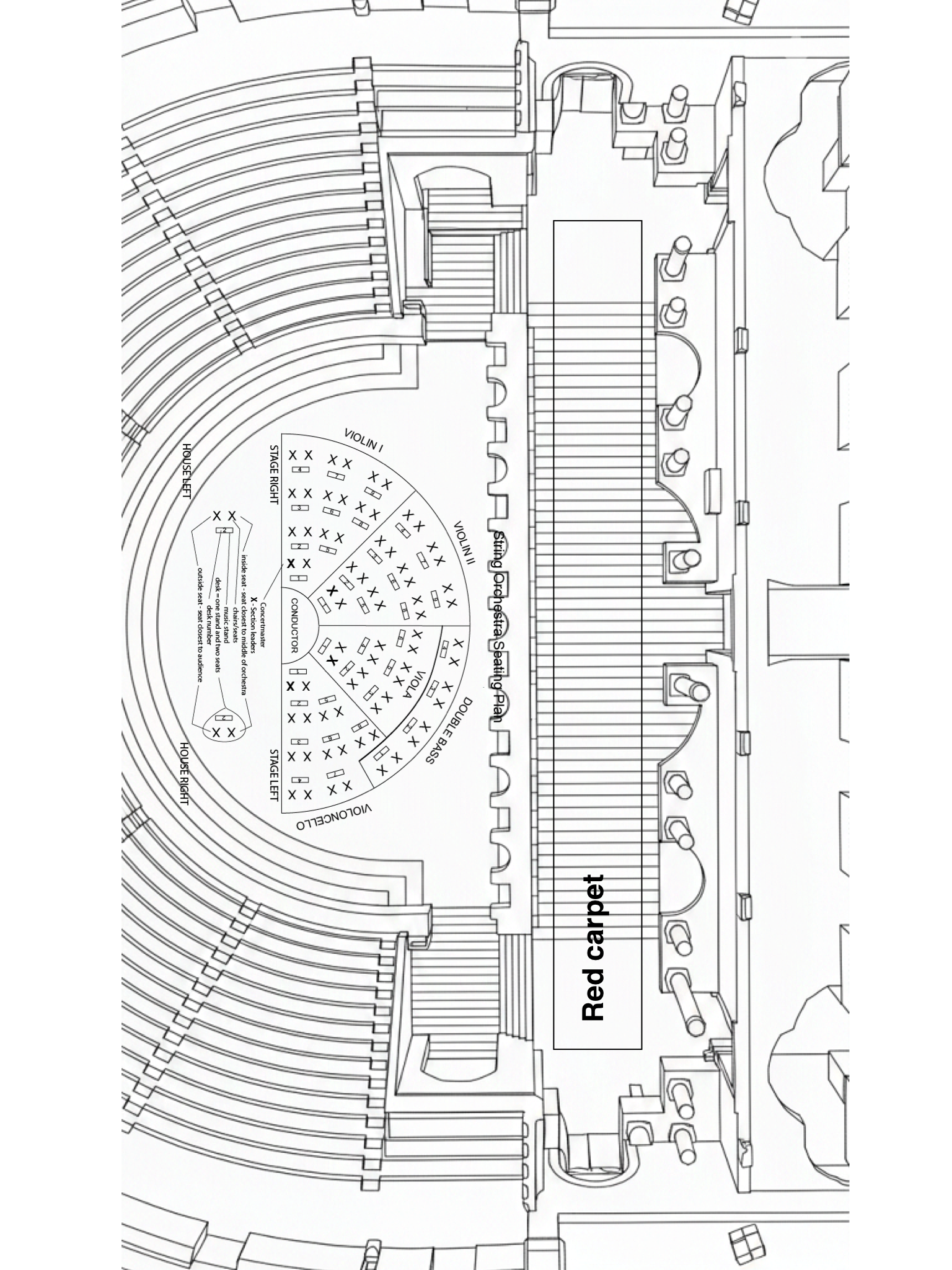
The opening of the Roman Theatre Museum is conceived not as a formal inauguration, but as a carefully staged moment of cultural continuity. Set within the Roman Theatre itself, the ceremony draws from the language of performance, sound, and collective presence—echoing the civic and theatrical role the site once played in public life.
A short orchestral and vocal composition, developed specifically for the opening, sets the tone. Rather than narrating history, it gestures toward it—allowing space, shadow, and sound to re-activate the theatre as a living structure rather than a static monument. The ceremony functions as a threshold: between past and present, architecture and performance, memory and experience.
Though modest in scale, the museum’s opening is intentionally symbolic. It positions the institution not only as a historical repository, but as a cultural actor—one that acknowledges Jordan’s layered Greco-Roman heritage through contemporary expression. This moment is designed to resonate beyond the site itself, attracting regional and international cultural, architectural, and fashion media, and establishing the museum’s identity from its first public breath.