DOMUS
Take a minute to write an introduction that is short, sweet, and to the point. If you sell something, use this space to describe it in detail and tell us why we should make a purchase. Tap into your creativity. You’ve got this.
DUMOS DESIGN LANGUAGE — MASTER DOCUMENT
-
• Concept: A Roman-inspired lounge with modern sophistication—35% Roman / 65% Contemporary.
• Tone: Subtle power, cultural depth, and effortless elegance—never kitsch or theme-park.
• Goal: To make Dumos instantly recognizable among elite venues while remaining functional for guests enjoying drinks and conversation.
-
• Primary: Real marble, aged limestone, patinated bronze, brushed brass, natural oak, dark walnut.
• Secondary: Matte black steel, smoked glass, deep green or burgundy leather.
• Finish: Professionally aged where Roman elements are used—authentic patina, not artificial dirt.
• Textures: Stone mosaics with slight wear, rough limewash walls, smooth polished wood for tabletops.
• No-Nos: Plaster props, plastic composites, glossy fake finishes, cheap resin statues.
-
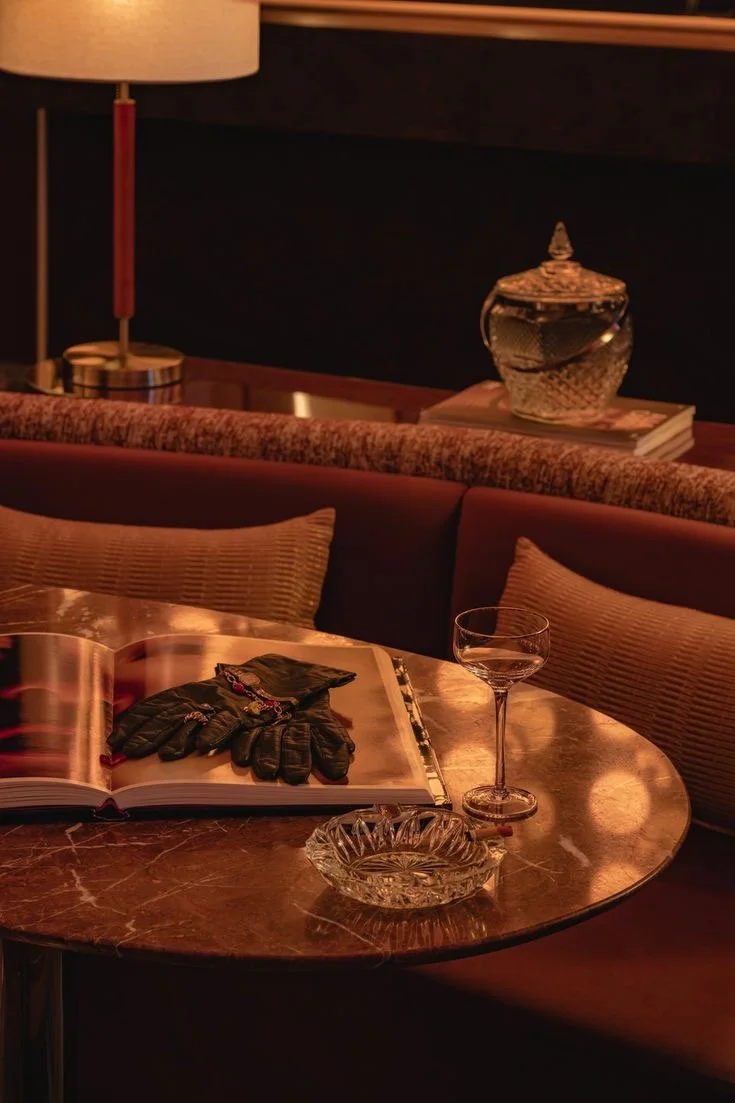
• Mood: Warm amber tones (2200–2700 K).
• Accents: Uplighting on columns and subtle spotlights on aged mosaics or fresco fragments.
• Statement Pieces: Minimalist contemporary fixtures (e.g., bronze linear pendants) to balance Roman elements.
• Avoid: Neon lights, color-changing LEDs, or hotel-lobby brightness.
-
• Seating: Low, deep sofas in muted leather or velvet; marble or bronze side tables.
• Bar: Solid stone or dark wood with discreet Roman-pattern inlay.
• Hierarchy: Seating zones should allow for quiet conversation as well as lively groups.
• Style: Monochromatic palette—white, black, or deep green accents only.
-
• Columns & Pillars: Aged stone or bronze caps—never pristine white plaster.
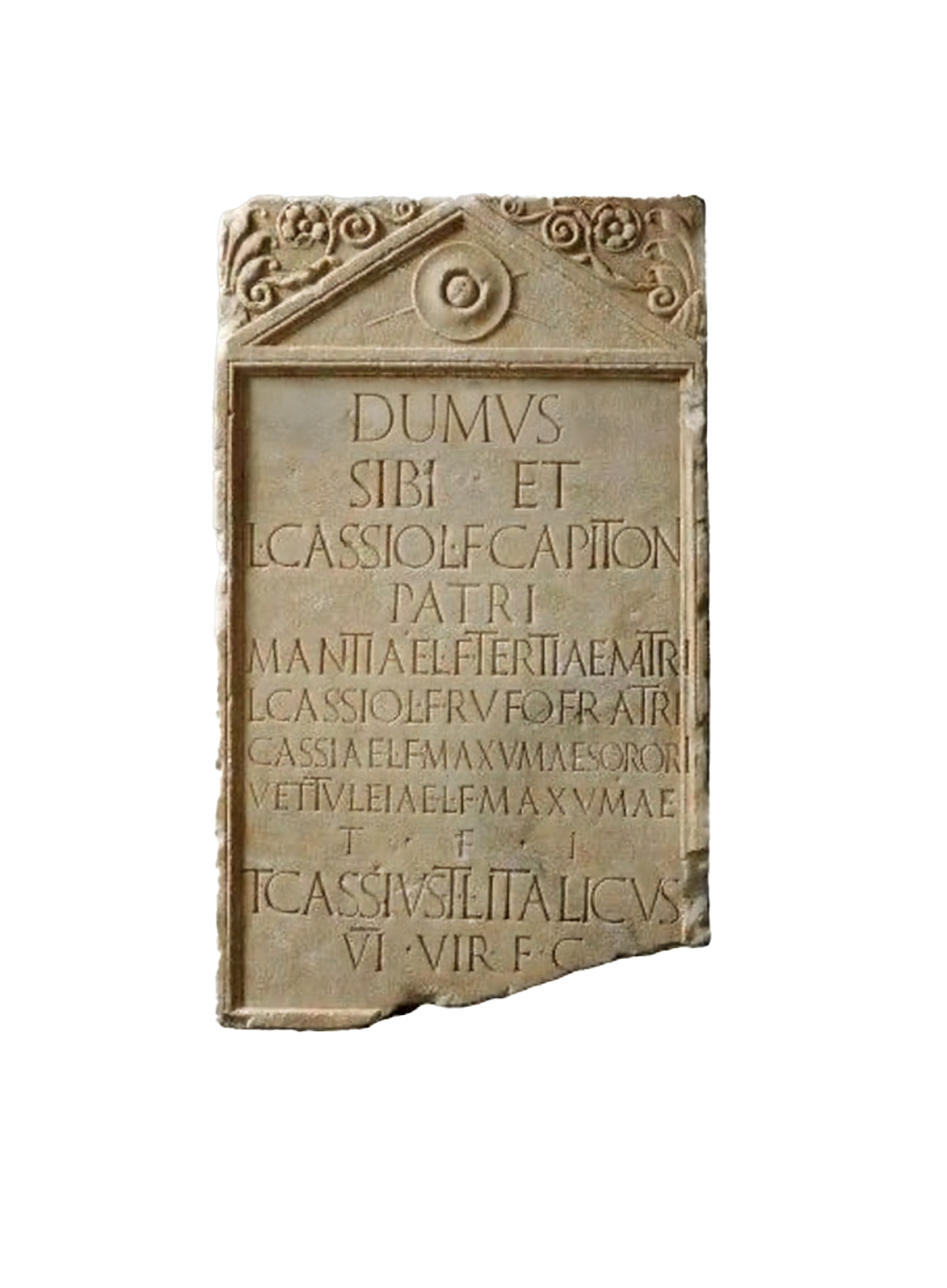
• Sculptures: Use select, high-quality reproductions or original artifacts—professionally aged.
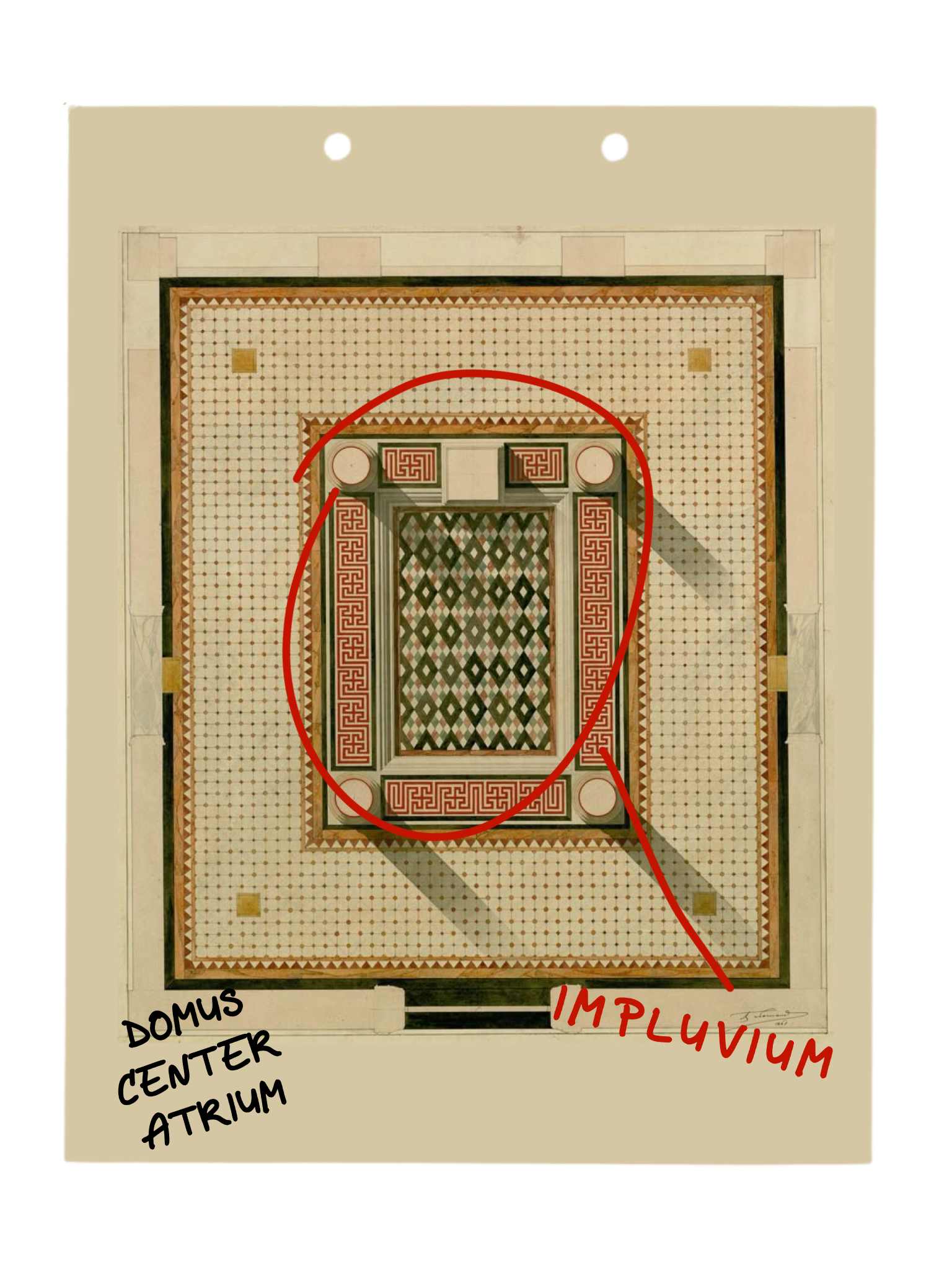
• Mosaic Entrance: Fresh, detailed mosaic featuring the Dumos logo—allowed to look new.
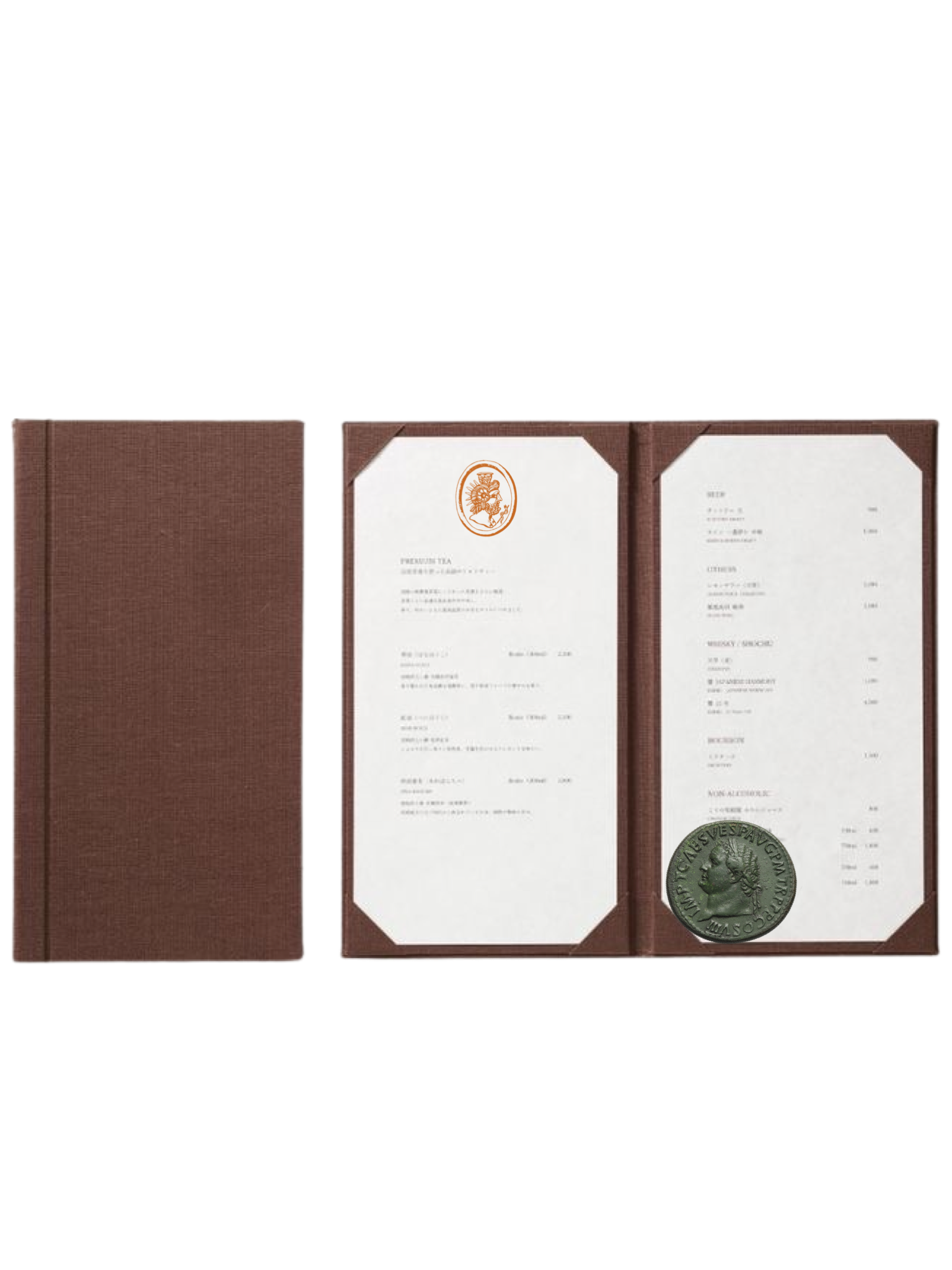
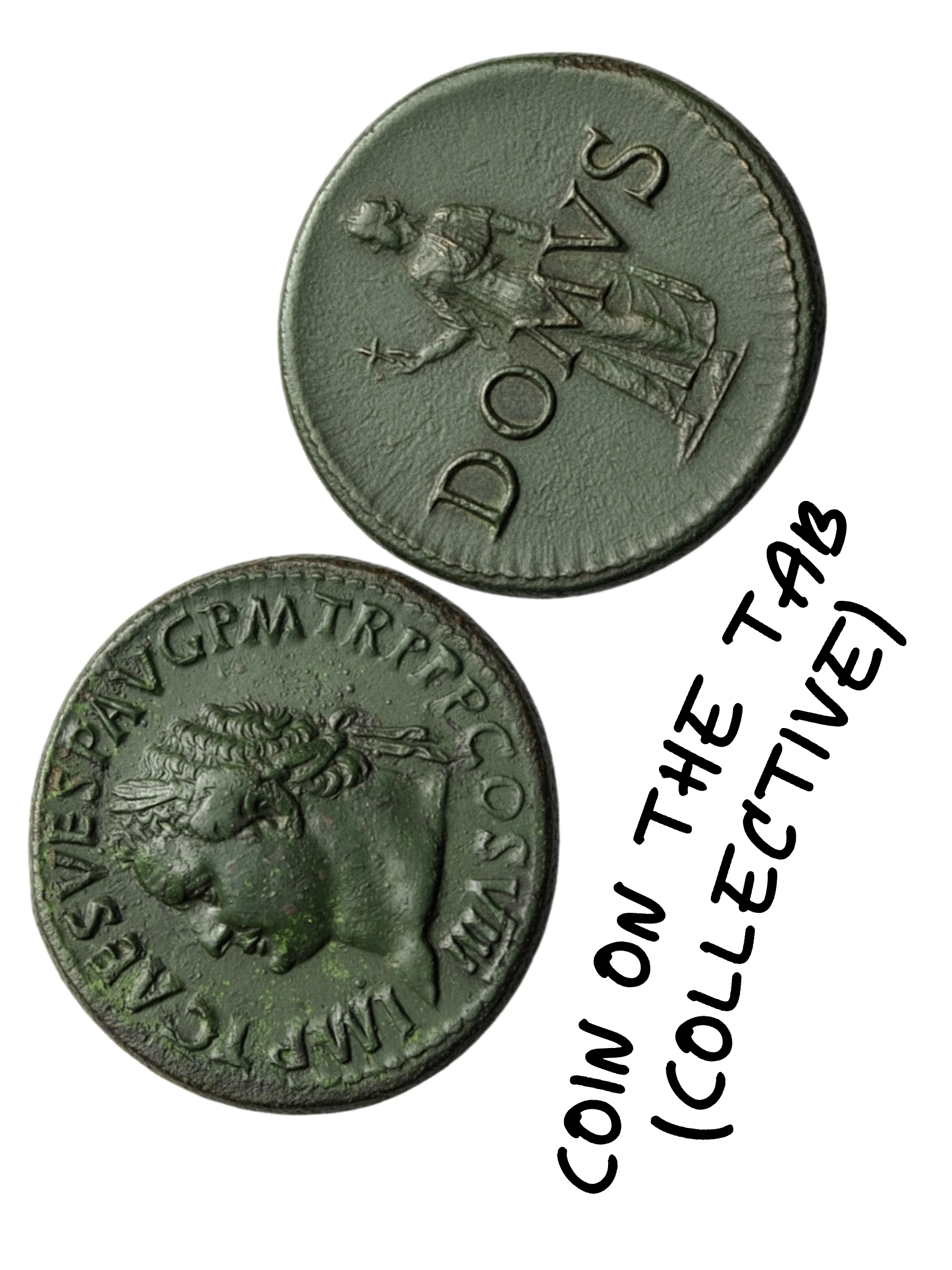
• Coins: Bronze-style collectible coin (Sestertius-inspired) given discreetly with the bill or as change—gesture only, not a trading system.
-
• Signature Fragrance: Subtle background note—recognizable but never overpowering.
• Testing Required: Multiple trials to balance distinctiveness with discretion.
-
• Regular Programming: Deep house / melodic or tasteful beats with energy—never dull lounge tracks.
• Live Nights: Curated jazz or acoustic sets—high quality, not hotel-lobby background music.
• Special DJ Events: Weekly or biweekly nights featuring known DJs.
-
• Monthly Rituals:
• Ides of March (15 March): Private event honoring Roman history with themed wine and menu.
• Occasional “Toast to the Gods” moments—short, optional, not disruptive.
• Annual Signature Event: Large PR and brand-recognition celebration—media, influencers, art collaborations.
• Weekly Happy Hour: Consistent evening for community building.
• Other Options: Art showcases or pop-ups tied to Dumos’ Roman-modern aesthetic.
-
• Uniforms: Monochromatic—white, black, or deep green—coherent across staff hierarchy. No flashy or colorful outfits.
• Hospitality: Smooth, discreet service; staff trained to communicate Dumos’ story lightly, not theatrically.
• Touchpoints: Coins on tabs, subtle references to Roman culture in menu wording or specials.
-
• Website: Sleek, professional—comparable to Michelin-level venues.
• Social Media: Build community through art, music, and Roman heritage storytelling.
• Tone Online: Understated luxury; no gimmicks or overused captions.

Dumos – Interior Architecture & Design Direction (R&D Draft)
-
• Roman Influence: 40% (1st century Roman ruin aesthetics).
• Aged, weathered, patina finishes.
• Frescoes, mosaics, Corinthian columns, busts/statues, amphoras.
• Not immersive “time travel” — more like discovering a ruin that was reactivated as a lounge.
• Modern Influence: 60% (mid-century modern & serious luxury lounge).
• Clean-lined furniture, warm woods, leather, velvet, bronze accents.
• Mood-driven lighting, sleek bar design.
• Overall Atmosphere: “A Roman ruin house, rediscovered and transformed into a luxury lounge.”
• Not maximalist. Not “Disney Rome.”
• Serious, vibey, exotic tone.
Fixed Architectural Elements
-
• Base: polished marble or dark stone, for luxury durability.
• Inset elements: aged mosaics (selected areas, not everywhere).
• Example: Dumos-branded mosaic at entrance.
• Some mythological/geometric scenes in floor sections.
• Mosaic aesthetic: cracked, aged, but restored.
-
• Mix of plaster + fresco.
• Frescoes limited to curated areas (bar backdrop, VIP alcoves).
• Other walls: rough-textured stone or smooth dark plaster (to avoid over-saturation).
• Logic: 70% modern wall, 30% fresco/stone insertion.
-
• Flat modern ceilings with concealed lighting.
• Strategic Roman hints: occasional arches or vault-like curves in VIP alcoves.
• Avoid Vegas-style “painted sky.” Keep serious.
-
• Mix of heavy wood (with bronze detailing) and occasional Roman stone-style doors in key areas (VIP, private entrances).
• Main entrance depends on location:
• If in a shopping center → sleek modern entrance with subtle Roman fountain element.
• If standalone → more dramatic Roman-stone inspired entrance.
3. Furniture (Movable Elements)
Furniture (Movable Elements)
-
• Mid-century modern wood + bronze finishes.
• Roman-inspired pedestals in corners (wine stands, reinterpretation of Roman “speech podiums”).
• Mix of communal tables (long) and intimate lounge tables.
-
• Mid-century lounge seating: leather, velvet, clean lines.
• Roman accent via carved pedestals or low couches in select areas.
-
• Primary identity: modern sleek bar (dark wood, bronze, marble top).
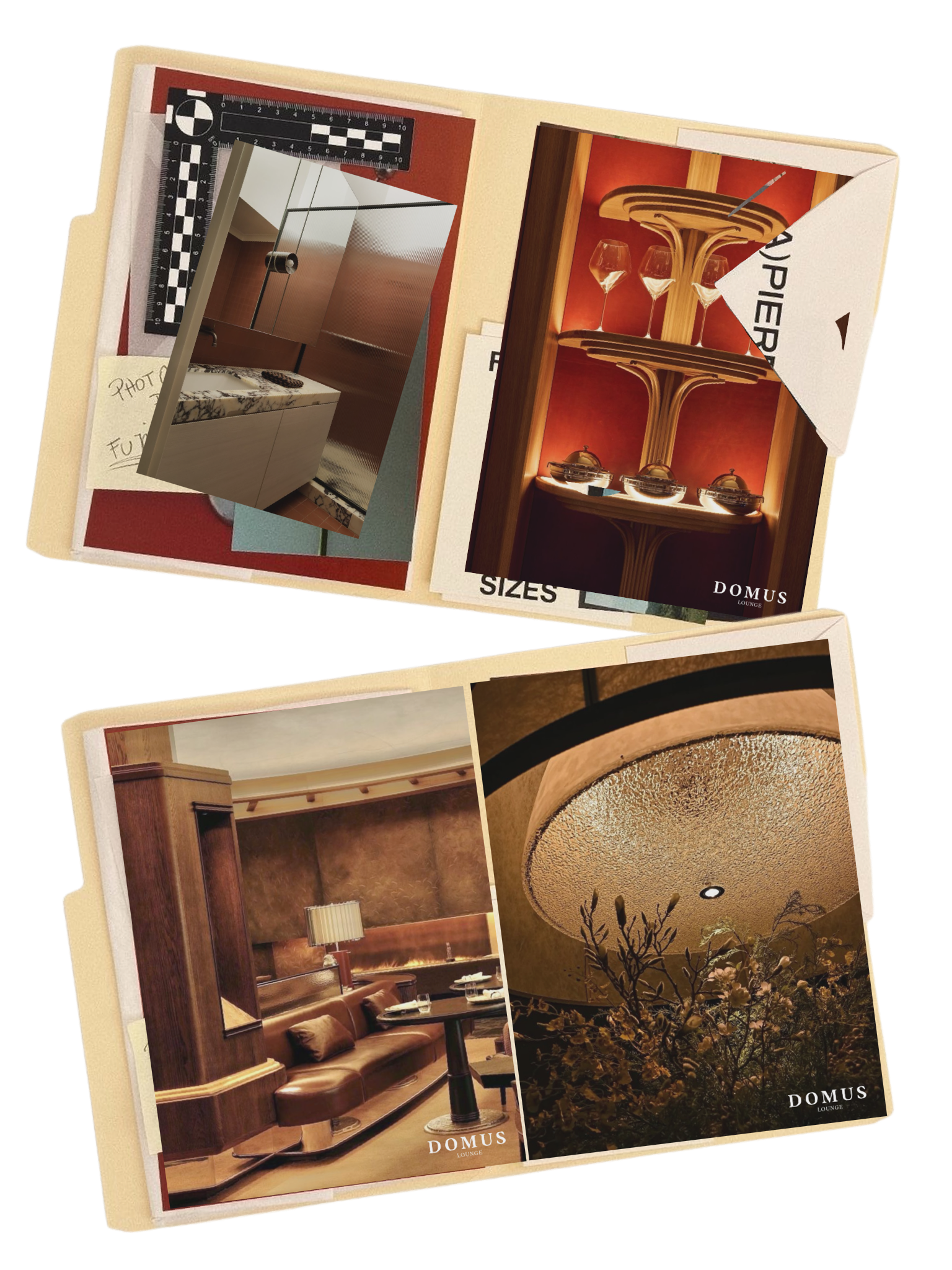
• Roman influence: decorative fresco or mosaic at the bar front, Corinthian-style edges, wine amphoras as display elements.
• Backbar: fresco or curated wall of ancient-style amphoras/wine jugs, museum-style display.
-
• Corinthian columns (not structural, but atmospheric).
• Busts/statues (Roman gods, mythological figures, fragmented ruins).
• Strictly 1st-century influence, no Renaissance, no “tourist cliché.”
• Amphoras & urns used as decorative wine storage/display.
-
Tone
• Overall: warm, dim, moody.
• Key style: contrast of dark shadowed areas and warm highlights.
• Avoid cold lighting entirely.
Effect
• Orange-gold light accents in bar area → “sunset glow.”
• Candles/sconces integrated for Roman touch (without full replication).
• Accent spotlights on frescoes/statues (museum effect).
Fixtures
• Modern concealed strip lighting (under bars, behind panels).
• Small pendant lamps above tables (bronze/brass finishes).
• No excessive chandeliers, no neon.
-
• Stone/Marble: Carrara marble, dark polished basalt, travertine.
• Wood: Dark walnut / teak for warmth (furniture, bar).
• Metal: Bronze, aged brass (accents, frames).
• Textiles: Velvet (deep red, forest green), leather (brown/black).
• Roman Inserts: Rough plaster, mosaic sections, fresco textures
-
• Primary: Deep red, forest green, dark stone grey, aged marble white.
• Secondary: Bronze, terracotta, muted gold.
• Accents: Warm amber light tones.
• Philosophy: Colors emerge from materials, not paint.
7. Zoning & Layout
-
• Flexible design:
• Modern entrance with Roman fountain (shopping center).
• Dramatic Roman-stone entrance with columns (standalone).
• Dumos mosaic in entrance floor as brand signature.
-
• Modern core (sleek bar), Roman accents.
• Backdrop fresco or amphora display wall.
• Mosaic or fresco on bar front.
-
• Semi-enclosed alcoves.
• Curved walls with fresco fragments or rough plaster.
• Seating: velvet booths + Roman accents.
-
• Inspired by Roman baths: marble sinks, mosaic floors.
• Lighting: dim with warm glow.
-
• Corinthian columns (scattered, non-structural).
• Busts/statues (mythology, fragmented ruins, not emperors).
• Frescoes (aged, mythological, no modern reinterpretations).
• Mosaics (geometric + mythological + Dumos logo integration).
• Amphoras/jars (wine/olive oil vessels repurposed).
• Speech-table pedestals repurposed as wine stands.
-
• Sound: DJ-driven lounge, deep house / melodic, high-energy but elegant.
• Scent: Signature fragrance: blend of rosemary, incense, oud, myrrh.
• Service: Modern uniforms, elegant white/black, no Roman costumes.
-
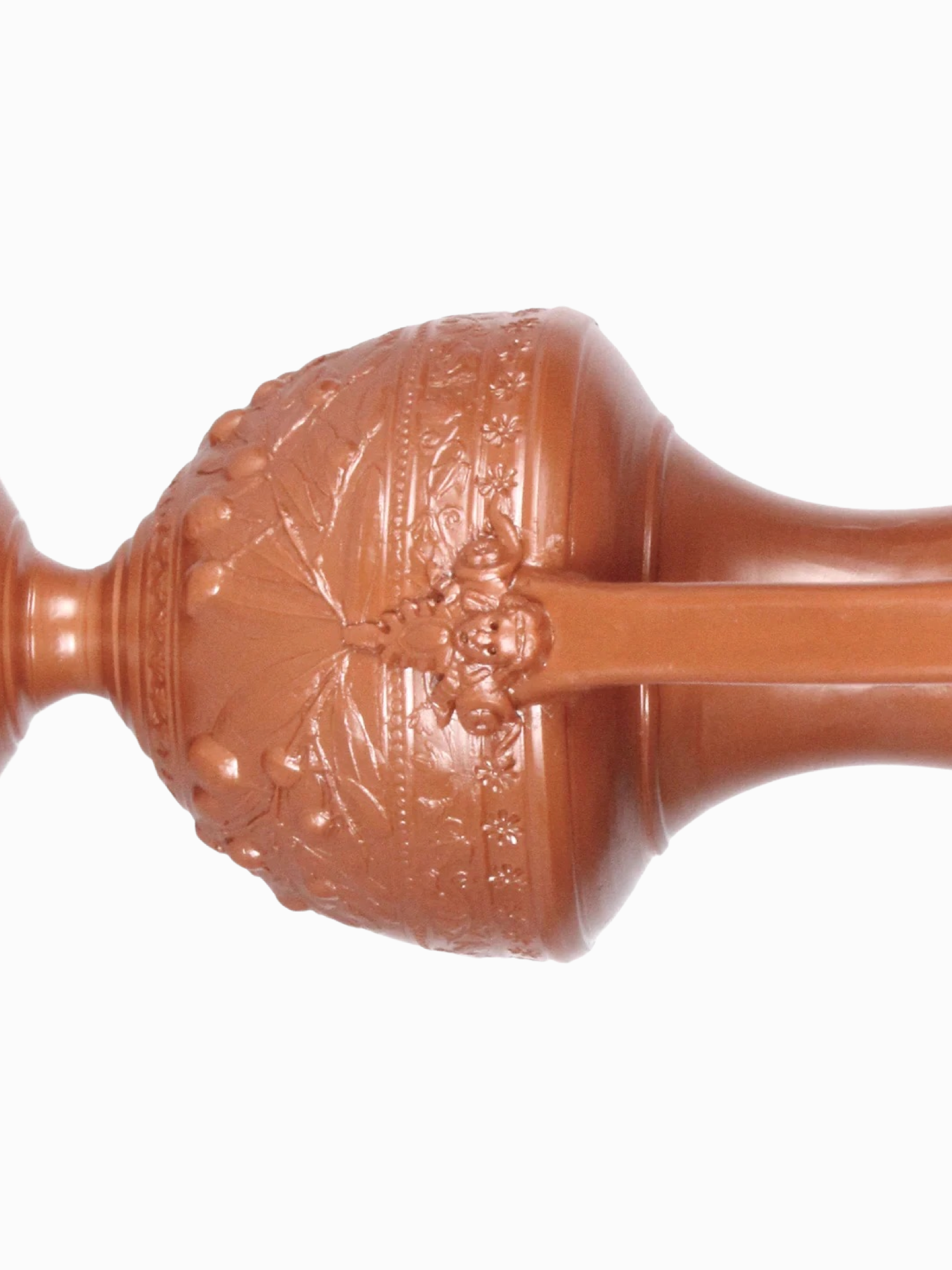
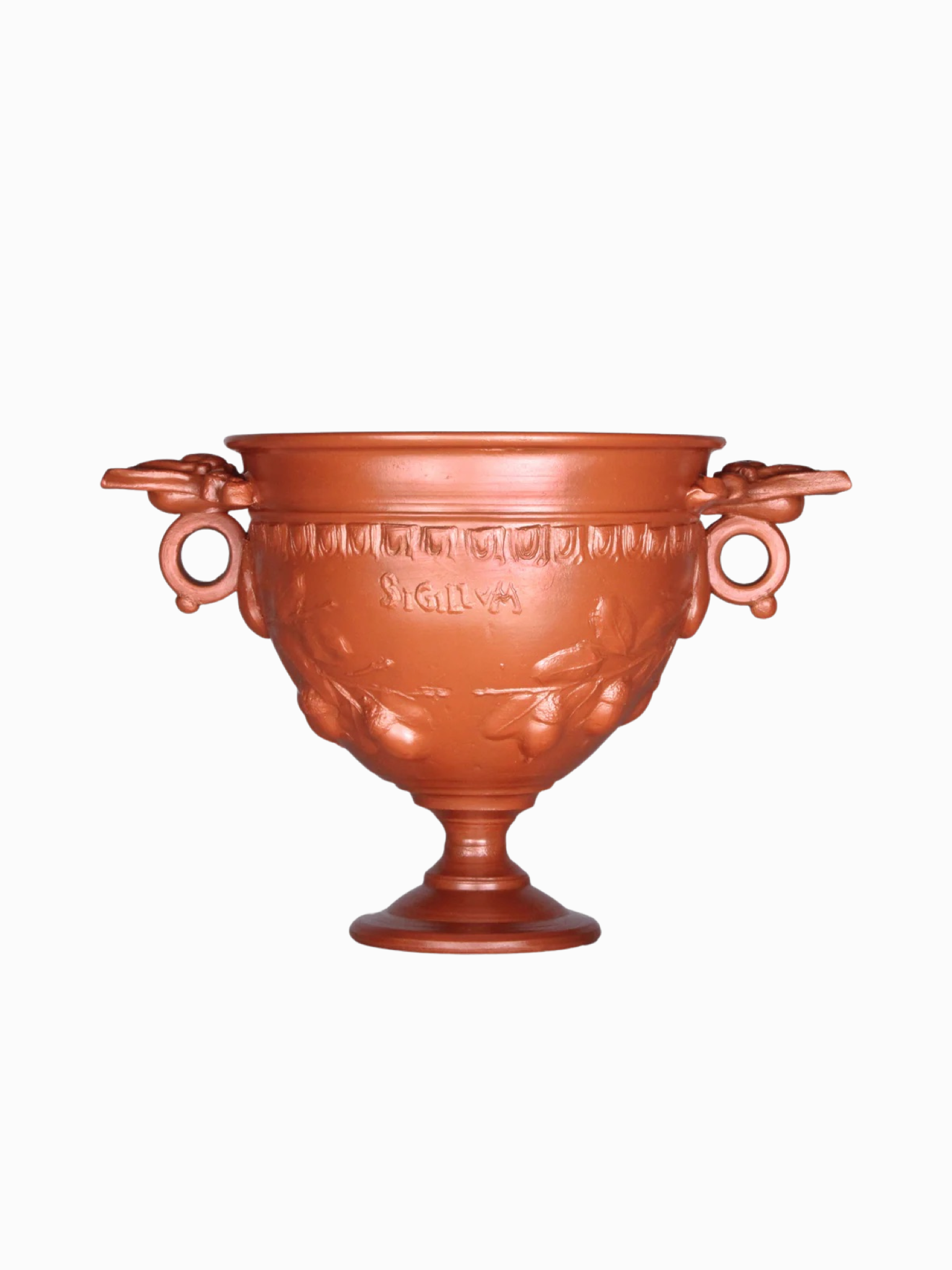
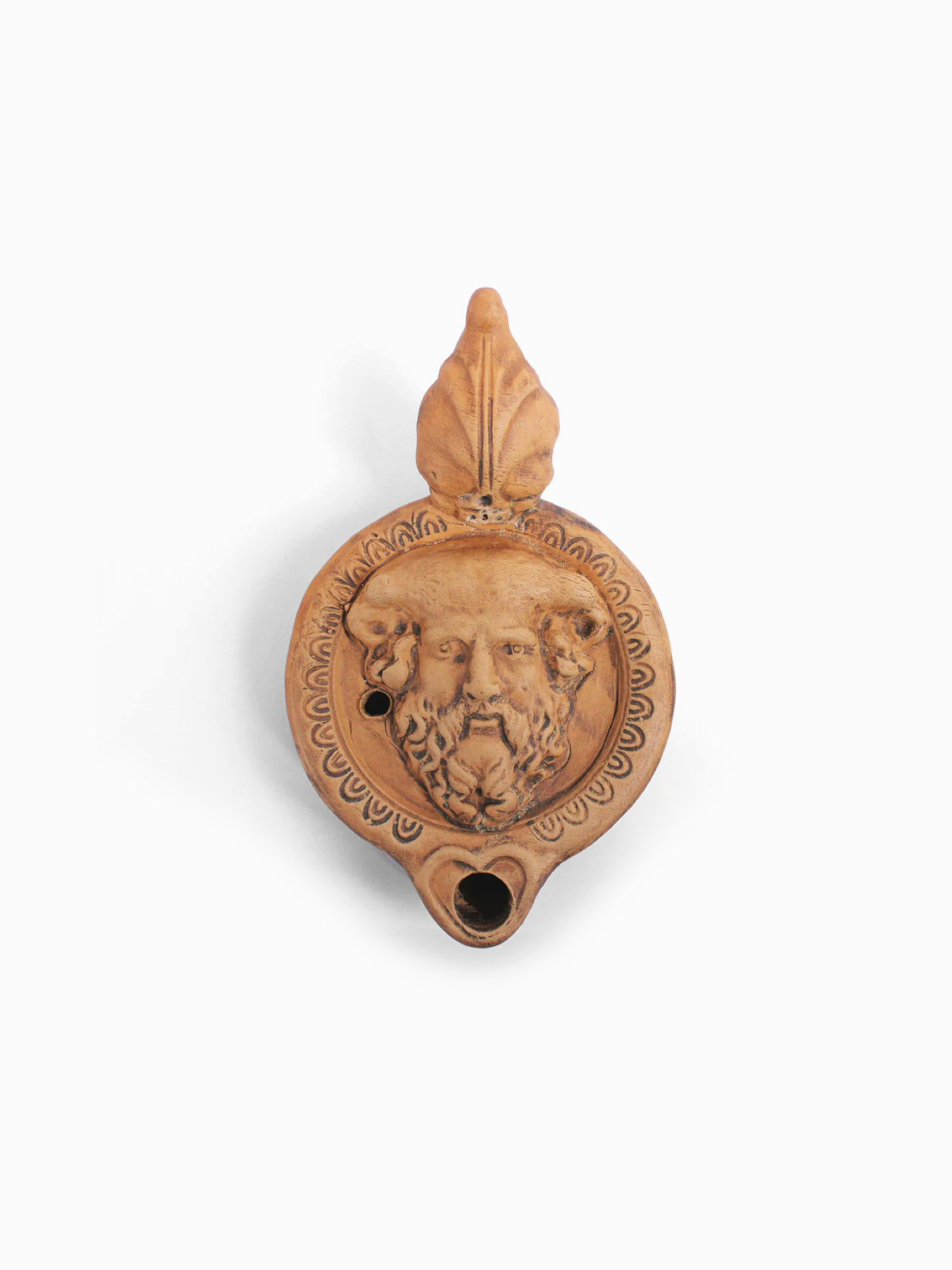
• Dumos DNA: frescoes, mosaics, statues, Corinthian columns, amphoras, branded cutlery/glassware.
• Adaptable: Each Dumos location reinterprets a different Roman ruin.
• Core brand signature: entrance mosaic (with Dumos name), signature wine glass, Corinthian details, fresco panels.
• Scalable logic: not copy-paste design, but brand narrative consistency.
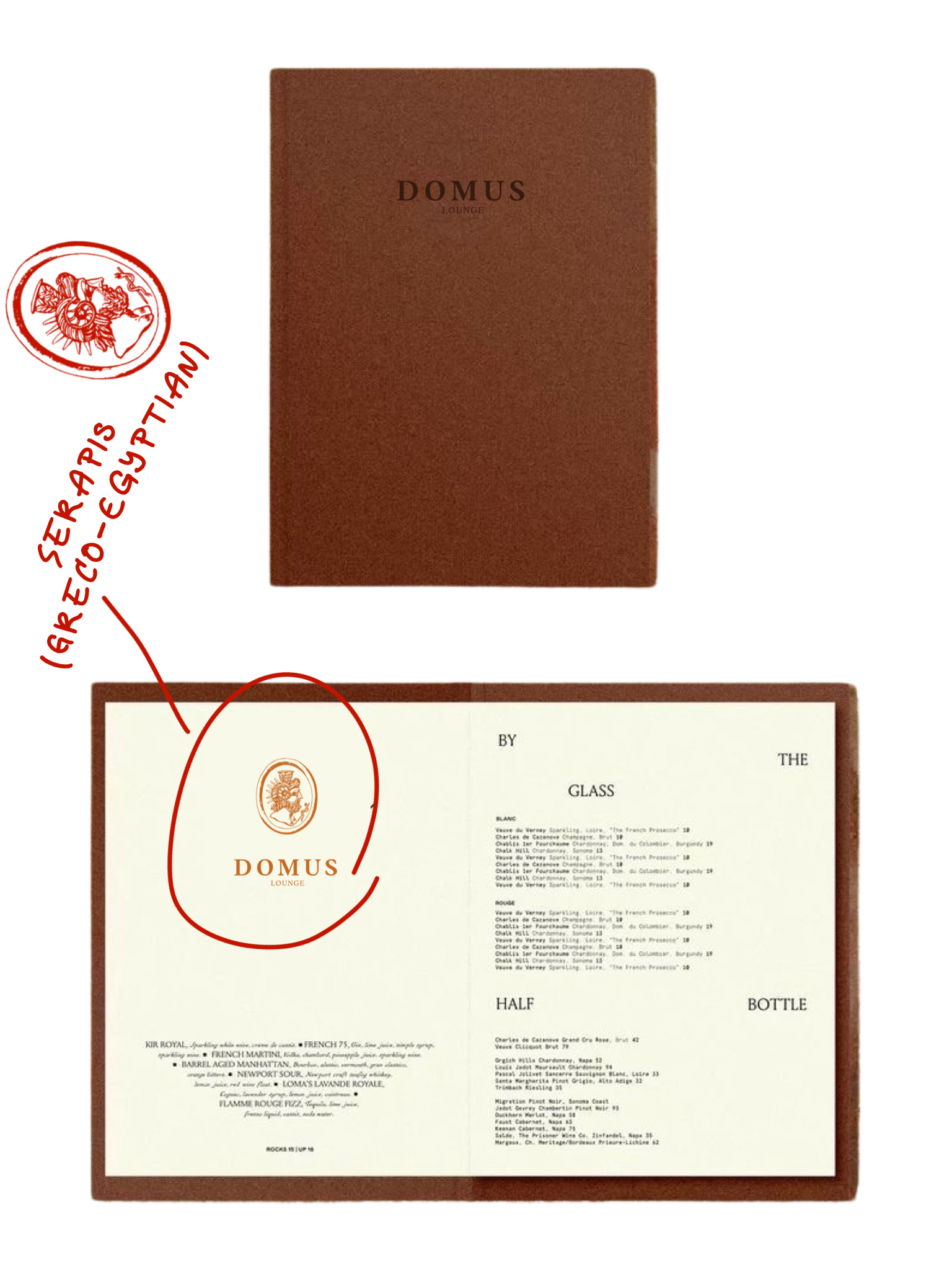
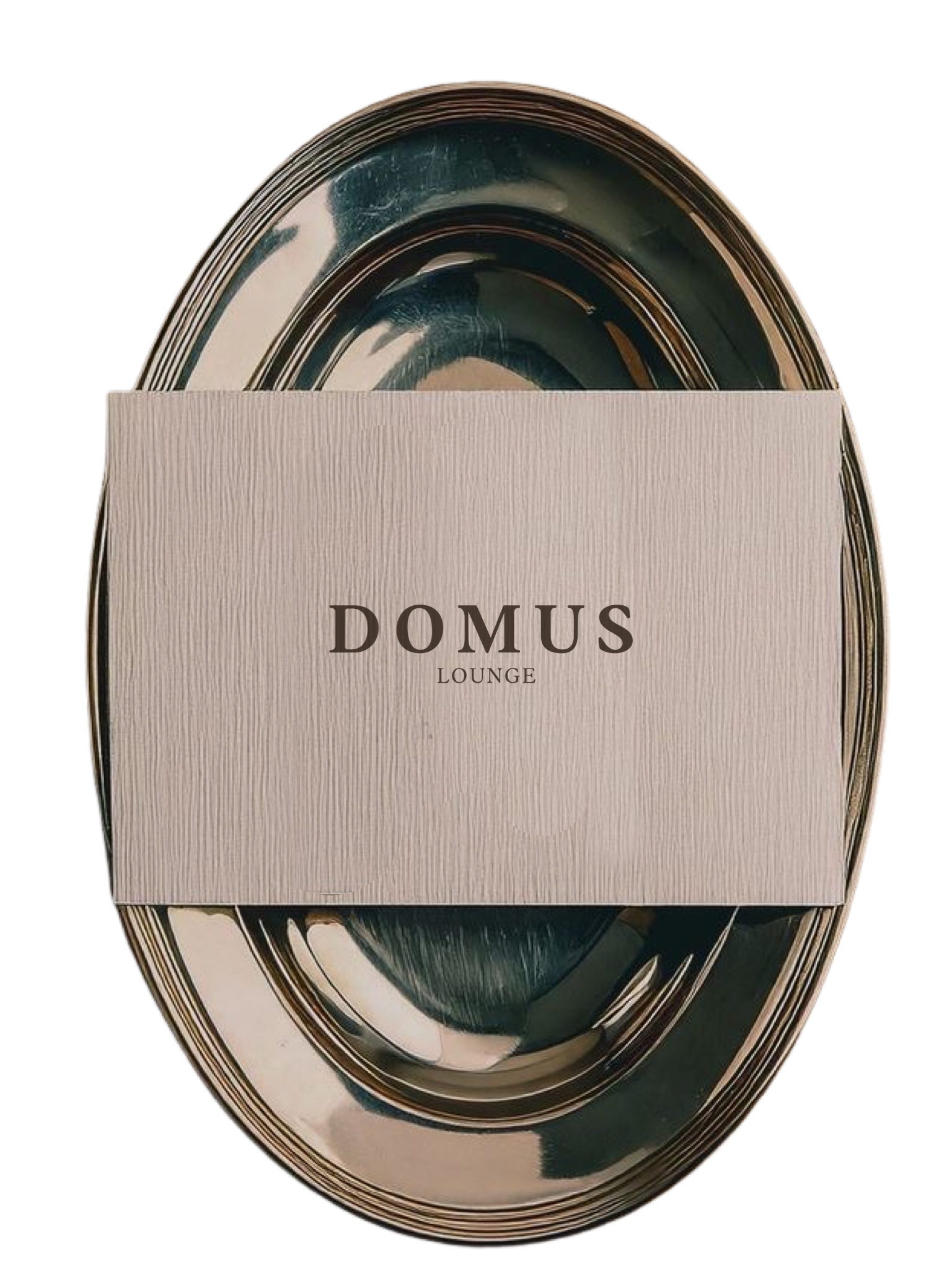


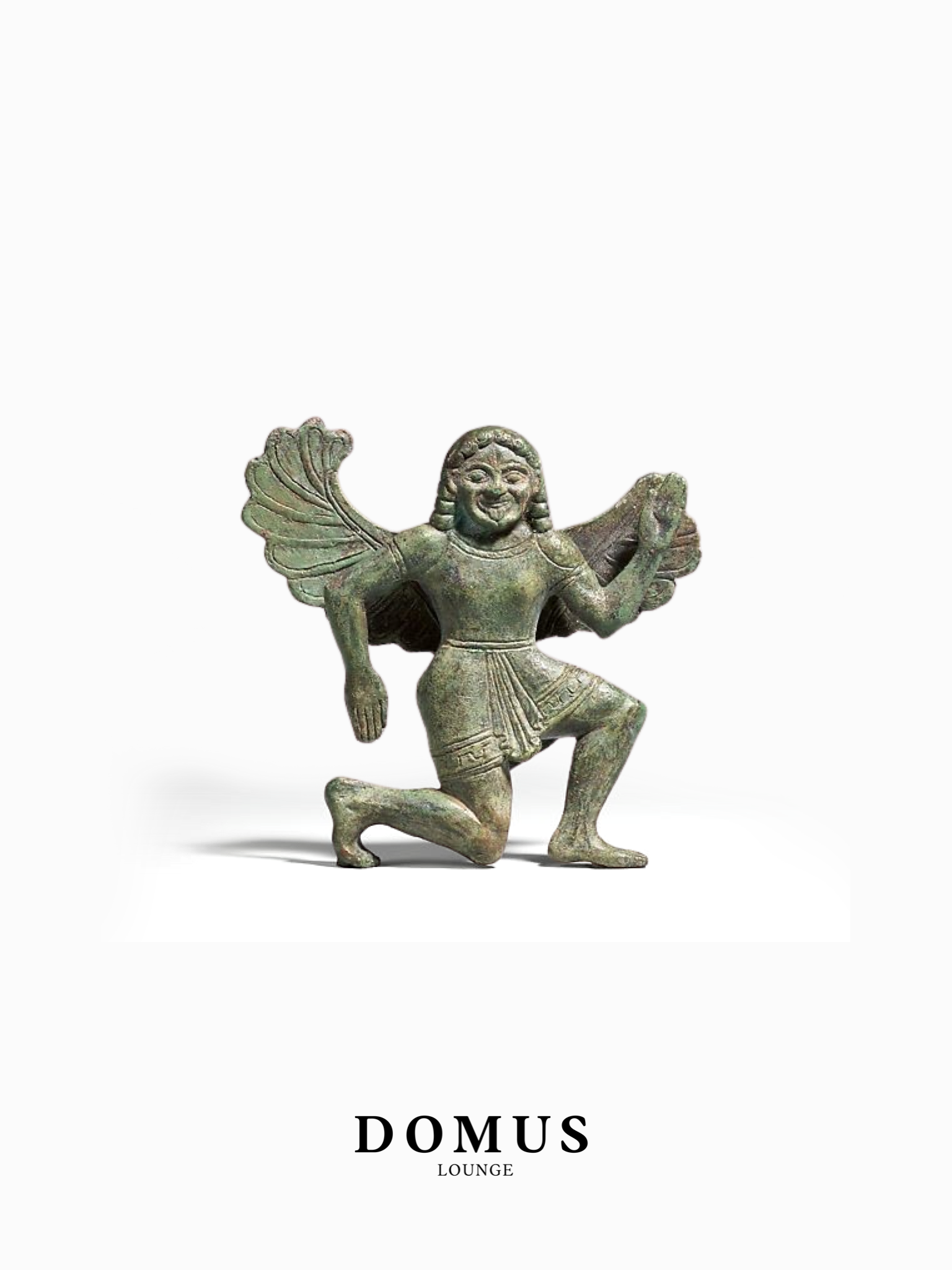


Service Elements Portfolio


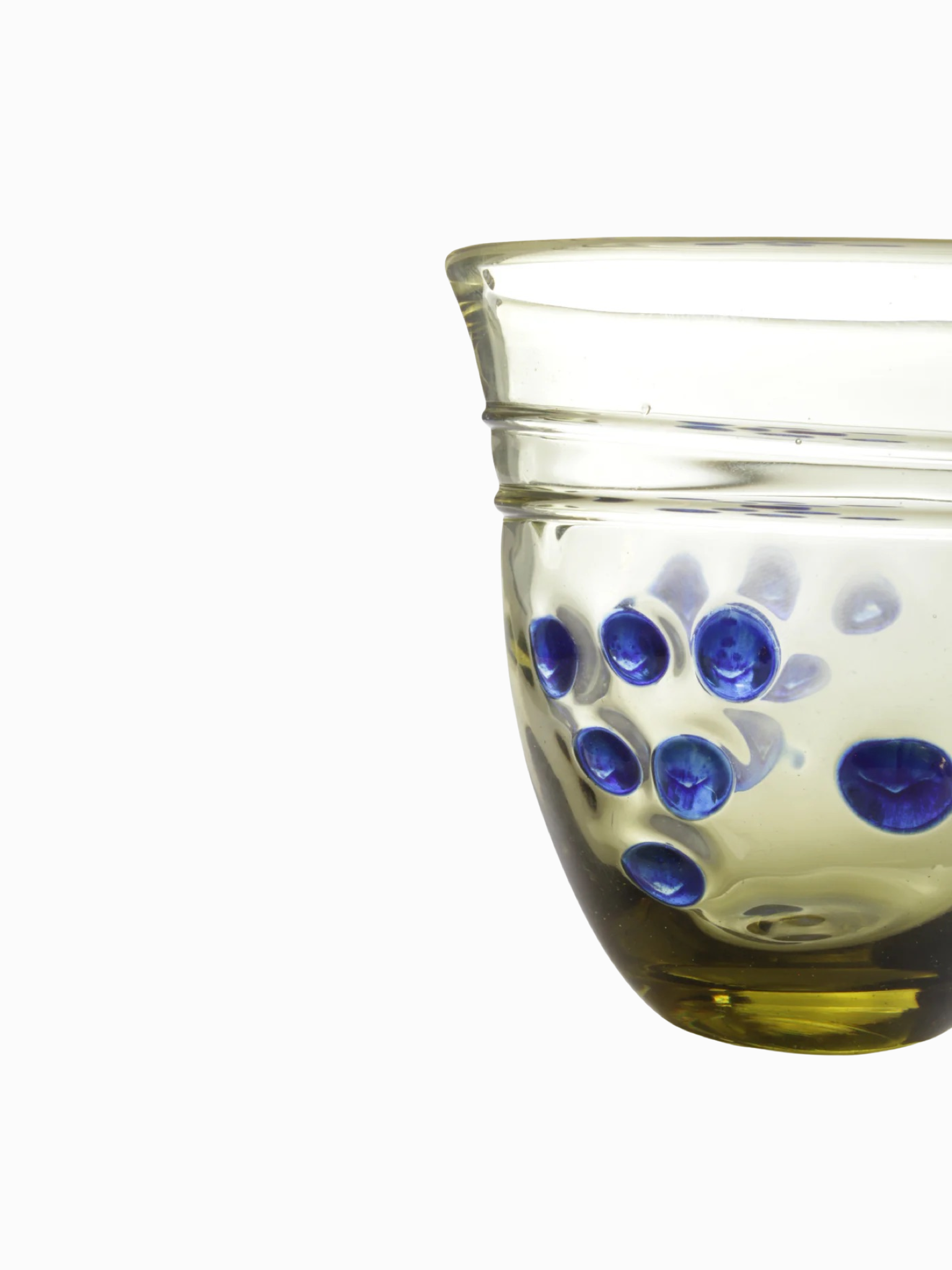






🍸 Dumos Lounge – Concept Drinks Menu (Draft)
-
1. Aurelius Spritz – Aperol, Prosecco, blood orange bitters, soda.
2. Neptune’s Negroni – Premium gin, Campari, sweet vermouth, orange twist.
3. Palatine Old Fashioned – Bourbon or rye whiskey, demerara sugar, Angostura bitters.
4. Vestal Mule – Premium vodka, fresh lime, ginger beer, served in a copper mug.
5. Imperium Martini – London dry gin or vodka, dry vermouth, lemon twist or olive.
6. Celestial Sour – Whiskey, lemon juice, simple syrup, egg white, Angostura dash.
7. Forum Highball – Japanese whisky, soda water, lemon
-
• Hendrick’s
• Tanqueray No. Ten
• Bombay Sapphire
• Monkey 47
-
• Grey Goose
• Belvedere
• Absolut Elyx
-
• Scotch: Macallan 12, Glenfiddich 15
• Bourbon: Woodford Reserve, Buffalo Trace
• Irish: Jameson Black Barrel
• Japanese: Hibiki Harmony
-
• Diplomatico Reserva Exclusiva
• Mount Gay XO
• Bacardi 8
-
• Patrón Silver
• Don Julio Reposado
• Del Maguey Vida Mezcal
-
• Heineken or Stella Artois
• Corona Extra
• Amstel
• (Optional) One local or regional craft beer if available.
-
• Champagne: Moët & Chandon Brut, Veuve Clicquot
• White Wine: Sancerre, Chardonnay (Burgundy or Napa)
• Red Wine: Bordeaux Blend, Pinot Noir
• Rosé: Provence-style
-
1. Sparkling water, still water (Perrier, San Pellegrino).
2. Cold-pressed juices (orange, apple, pomegranate).
3. Mocktails (e.g., Citrus Basil Cooler, Pomegranate Spritz, Virgin Mule).

🍸 Dumos Lounge – Concept Food Menu (Draft)
-
1. Aurelius Spritz – Aperol, Prosecco, blood orange bitters, soda.
2. Neptune’s Negroni – Premium gin, Campari, sweet vermouth, orange twist.
3. Palatine Old Fashioned – Bourbon or rye whiskey, demerara sugar, Angostura bitters.
4. Vestal Mule – Premium vodka, fresh lime, ginger beer, served in a copper mug.
5. Imperium Martini – London dry gin or vodka, dry vermouth, lemon twist or olive.
6. Celestial Sour – Whiskey, lemon juice, simple syrup, egg white, Angostura dash.
7. Forum Highball – Japanese whisky, soda water, lemon
-
• Hendrick’s
• Tanqueray No. Ten
• Bombay Sapphire
• Monkey 47
-
• Grey Goose
• Belvedere
• Absolut Elyx
-
• Scotch: Macallan 12, Glenfiddich 15
• Bourbon: Woodford Reserve, Buffalo Trace
• Irish: Jameson Black Barrel
• Japanese: Hibiki Harmony
-
• Diplomatico Reserva Exclusiva
• Mount Gay XO
• Bacardi 8
-
• Patrón Silver
• Don Julio Reposado
• Del Maguey Vida Mezcal
-
• Heineken or Stella Artois
• Corona Extra
• Amstel
• (Optional) One local or regional craft beer if available.
-
• Champagne: Moët & Chandon Brut, Veuve Clicquot
• White Wine: Sancerre, Chardonnay (Burgundy or Napa)
• Red Wine: Bordeaux Blend, Pinot Noir
• Rosé: Provence-style
-
1. Sparkling water, still water (Perrier, San Pellegrino).
2. Cold-pressed juices (orange, apple, pomegranate).
3. Mocktails (e.g., Citrus Basil Cooler, Pomegranate Spritz, Virgin Mule).
Spatial Typology Framework (Modular Venue Composition)
I. Conceptual Premise
Dumos is conceived as an adaptive luxury lounge — its identity is not defined by one fixed floorplan, but by a family of spatial modules that can be combined depending on the venue’s dimensions, architectural limitations, and target clientele.
Each module functions as an add-on layer, organized under two levels of priority:
• Primary Add-Ons → Essential to the Dumos experience (must exist in every location)
• Secondary Add-Ons → Optional extensions (added when space and structure allow)
Primary Add-Ons (Core Dumos DNA)
-
• Function: The heartbeat of Dumos — social, theatrical, visually dominant.
• Role: Central attraction around which the rest of the lounge orbits.
• Design Direction:
• Sculptural marble or bronze countertop, subtly reflective surface.
• Backbar designed like a stage — ambiently lit, architectural.
• Staff choreography visible but elevated; movement and rhythm become part of the ambience.
• Experience Layer: Energy, movement, signature cocktails, ritualized preparation moments.
-
• Function: The general, open-access Dumos experience — fluid, sociable, elegant.
• Role: The “canvas” space that defines the general tone, where the majority of guests sit.
• Design Direction:
• Modular clusters of seating (2–5 people) forming conversational micro-islands.
• Layered lighting zones: low near tables, brighter near service paths.
• Dynamic flow between tables, bar, and potential music stage.
• Experience Layer: Immersion, visibility, sensory equilibrium.
Secondary Add-Ons (Situational Enhancements)
-
• Function: Semi-private, socially superior seating zone offering visual overview of the venue.
• Role: Adds hierarchy and a sense of status through physical elevation.
• Design Direction:
• Two or three steps higher than main lounge; balustrade or subtle boundary.
• Slightly larger tables (5–7 people).
• Softer lighting tone and more tactile materials.
• Clear sightlines to bar and DJ / live performance zone.
• Experience Layer: Discreet visibility — guests see and are seen, but from above..
-
• Function: Exclusive, intimate space for high-profile or privacy-driven guests.
• Role: The “sanctum” of Dumos — an inner chamber for private dinners, meetings, or VIP gatherings.
• Design Direction:
• Hidden or separate access route from main lounge.
• Acoustically insulated, personalized service.
• Distinct décor — same DNA but more opulent: silk walls, warm wood, maybe artifact replicas from Dumos’ aesthetic narrative (linking to Michael Neilson’s expertise).
• Seating for 7–8 guests max.
• Experience Layer: Privacy, reverence, exclusivity.
Optional Future Add-Ons (Depending on Venue Type)
-
If architectural possibilities allow; connects Dumos to natural air, with slightly different soundscape and scent curation.
-
A static micro-gallery referencing Dumos’ aesthetic roots in Roman and archaeological heritage — gives cultural legitimacy.
-
A micro-stage for live instrumental performances or ambient acts (harp, cello, analog DJ).
-
A transitional entry zone with curated scent and temperature shift — setting the “threshold moment.”
Implementation Logic
Each location or venue of Dumos will begin with:
1. Site Appraisal Report (architectural constraints + capacity)
2. Add-On Selection Matrix (which modules are possible)
3. Spatial Narrative Alignment (how the chosen modules express Dumos’ identity)
This ensures that no matter the layout — rectangular, L-shaped, or irregular — Dumos retains its recognizable identity through hierarchical experience design.
Dumos Experiential Elements

-
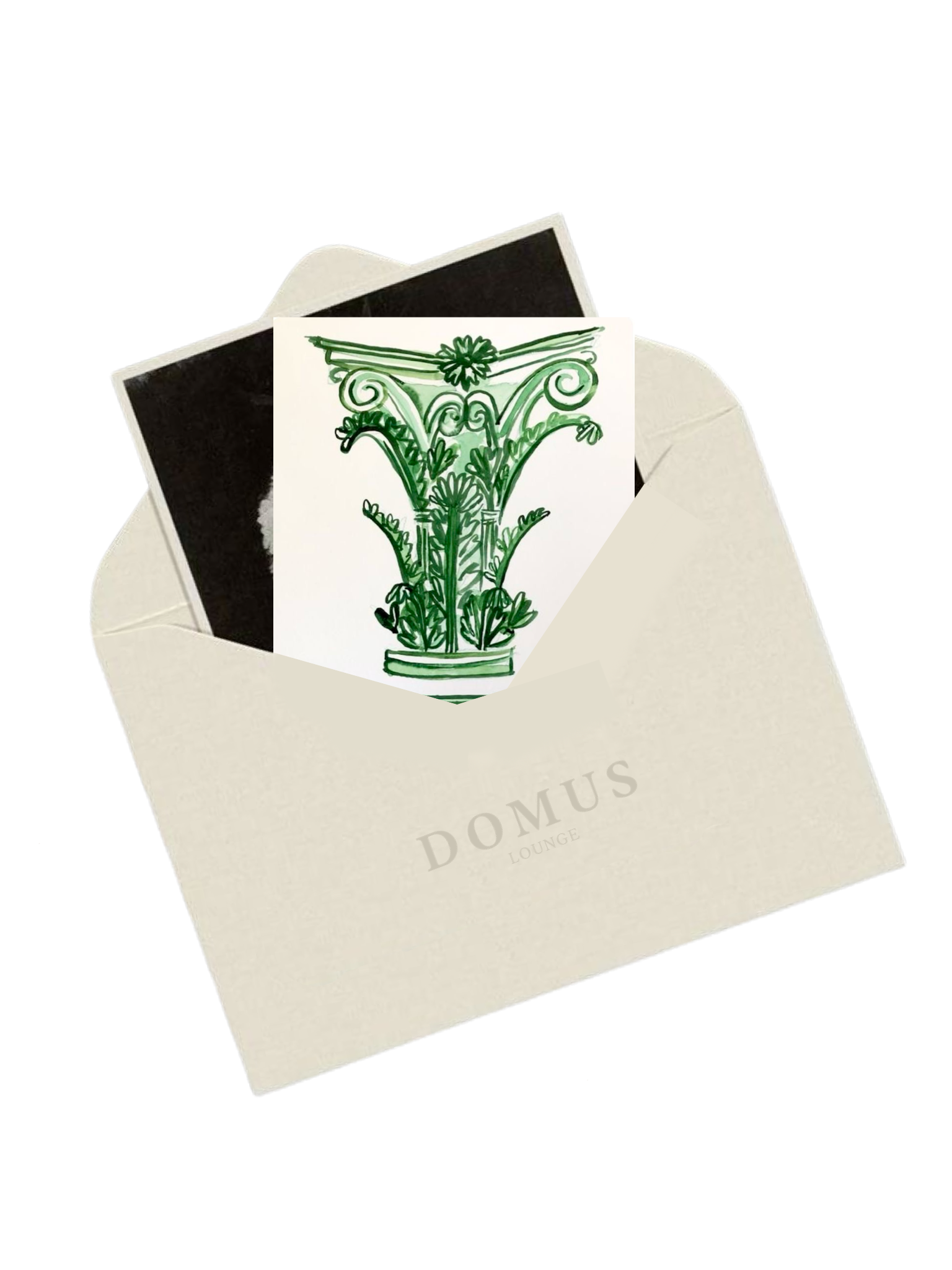
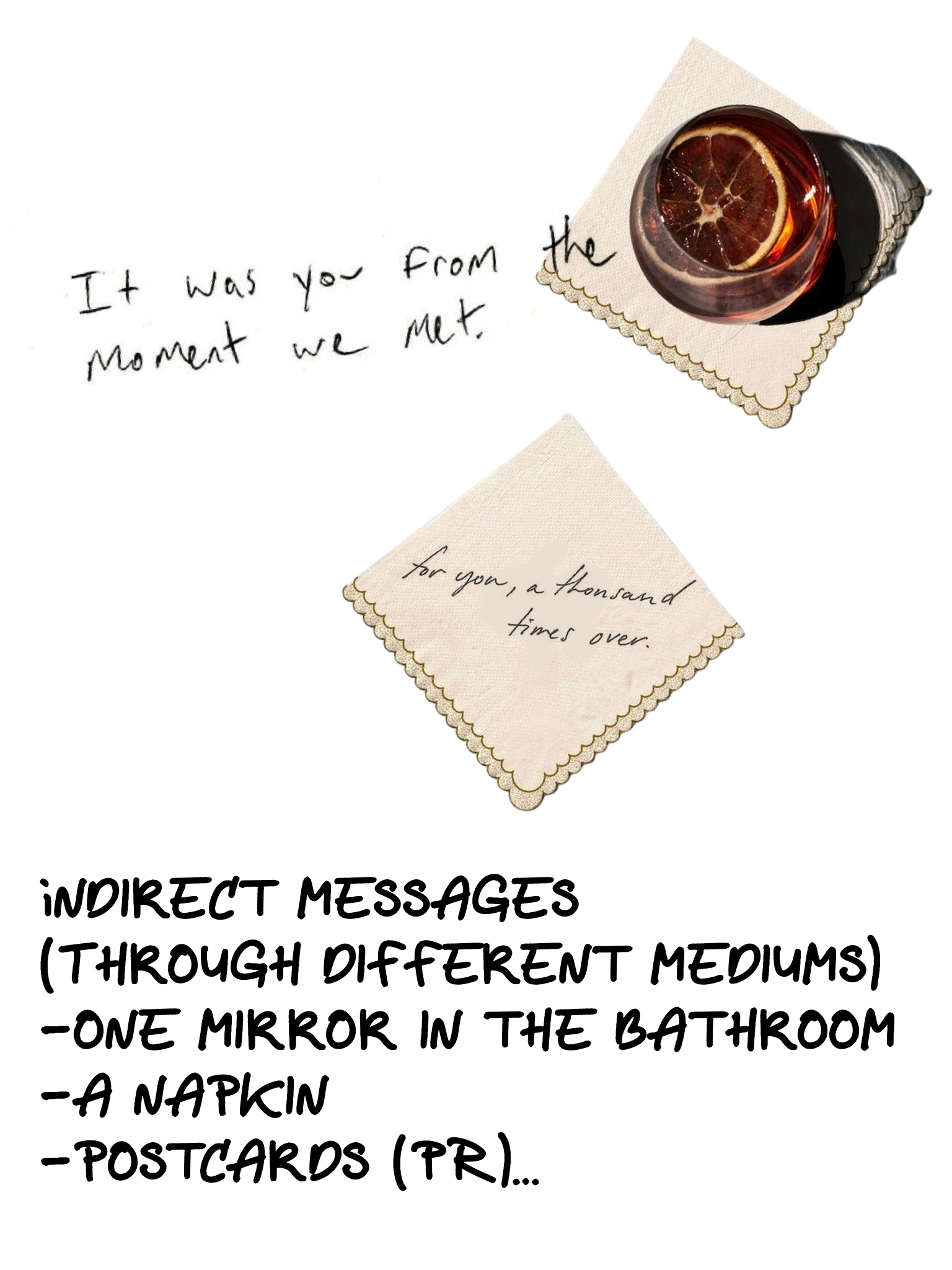
• Concept: After a party finishes, the host receives a wax-sealed envelope with their receipt and a handwritten “Gratias” card. The seal bears Dumos’ emblem.
• Why It Works: Old-world ceremony → guests photograph and post the wax seal. It’s inexpensive but screams exclusivity.
-
• Concept: Commission a perfumer to create a faint aroma (olive wood, fig leaf, amber). Use it subtly in the air system and on menus.
• Why It Works: Scent memory is powerful—when guests smell similar notes elsewhere, Dumos pops into mind.
-
• Concept: Rotate one small art or artifact installation quarterly—local sculptors, ceramicists, or even digital Roman reinterpretations.
• Why It Works: Positions Dumos as culturally aware; gives influencers new content to share each visit.
-
• Concept: Once a month, reserve the lounge for invite-only dinners or after-hours sets. Guests must bring their coin to gain entry.
• Why It Works: Turns the coin into a real key—this deepens loyalty and mystique.
-
• Concept: Create one architectural focal point—a backlit Roman arch or a marble-plinth corner—designed for tasteful photos.
• Why It Works: Provides a clear social-media anchor without cheap selfie walls.
-
• Concept: Each cocktail or dish carries a one-line Roman or Mediterranean reference (“Neptune’s Whisper: a gin-sea breeze inspired by coastal Pompeii”).
• Why It Works: Elevates Dumos as a networking hub for affluent circles without cheapening the lounge.
-
• Concept: Co-host intimate previews (e.g., a limited Ferrari model or a GCC fashion capsule) on slow weekdays.
• Why It Works: Elevates Dumos as a networking hub for affluent circles without cheapening the lounge.
-
• Concept: When guests request the check, it arrives in a small leather-bound book accompanied by a custom Roman-style coin (e.g., your own “emperor” or the Dumos villa motif). Not every table receives one—making it feel rare and special.
• Why It Works: Creates a tangible memory and conversation starter, encouraging word-of-mouth and repeat visits. The coin becomes a loyalty token and an Instagram-worthy memento that reinforces Dumos’ Roman identity.
-
• Concept: Host curated, intimate DJ sessions—drawing rising international talent or niche regional selectors—record the set for Dumos’ channels, and stage it against a Roman-inspired backdrop. The vibe is upscale lounge, not a crowded club.
• Why It Works: Aligns Dumos with global luxury nightlife scenes like Monaco or Mykonos. It attracts affluent, style-conscious guests, generates premium social media content, and positions Dumos as a cultural hotspot rather than just another bar.
🎶 The Sound of Dumos
Brief:
Music is a cornerstone of Dumos’ atmosphere. To help partners, investors, and collaborators immediately feel the lounge’s mood, we provide three carefully selected audio samples. These tracks represent the energy progression across our evenings—from refined early-evening ambiance to elevated Thursday-night vibrancy—while maintaining a consistent Dumos identity.
The selections are not fixed playlists but tonal references: they communicate mood, texture, and pacing. Whether a quiet Tuesday or a lively weekend, Dumos’ sound remains sophisticated, soulful, and unmistakably premium.
Dumos Sound Identity
Concept / Description:
The Dumos soundtrack blends soulful modern funk, alt-R&B, and upscale hip-hop textures, layered over warm, mid-tempo beats. Think of the smooth, groove-driven energy of Jungle and the dreamy, velvet-toned atmosphere of The Marías, with subtle touches of refined hip-hop instrumentals reminiscent of Kendrick Lamar’s more melodic work or Tyler, The Creator’s jazzy, sophisticated beats.
Rather than abrupt shifts between “quiet lounge” and “club,” Dumos’ sound evolves gently through the evening:
• Early Evening (Sunset Cocktails): Laid-back funk and alt-R&B grooves—warm, conversational, mid-century-modern in spirit.
• Prime Time (Social Peak): Deeper basslines and slightly more kinetic beats—elevated but not overpowering.
• Thursday/Weekend Pulse: Uplifting, tasteful hip-hop and modern funk—high energy without crossing into nightclub chaos.


Pipeline Expansion: Dumos “Imperium Dates”
(Future Retail Confection Concept – Illustration Only)
Note: All details—including product name, recipe, and packaging—are subject to change during R&D and partner alignment. This is a pre-idea illustration for brand pipeline consideration only.
-
• Extend Dumos beyond the lounge into premium FMCG/retail—mirroring how luxury hospitality brands (e.g., hotel patisseries, premium cafés) build visibility and secondary revenue streams.
• Reinforce Dumos’ Roman–Levantine identity through a signature dessert product that can start in-house (menu item, gifting) and later scale to luxury grocers and GCC markets.
• Serve as a brand touchpoint that travels—allowing people to taste Dumos even outside our venues, building awareness ahead of new lounge openings.
-
• Working name: Imperium Dates – hand-stuffed Medjool dates inspired by Roman flavors (honey, nuts, spices) with a refined Dumos twist.
• Initial phase: plated signature dessert + small gift boxes sold exclusively at Dumos.
• Future phase: develop retail-ready packaging (aged-bronze & dark-green palette, subtle laurel or coin motif) for selective resale in high-end supermarkets and gourmet boutiques.
• Production and flavor profiles to be iteratively tested—this concept is illustrative, not final.
-
• Differentiates Dumos as a lifestyle brand, not just a venue.
• Low operational risk at launch—can be produced in small batches and scaled gradually.
• Strengthens brand story by connecting ancient Mediterranean ingredients to modern luxury tastes.

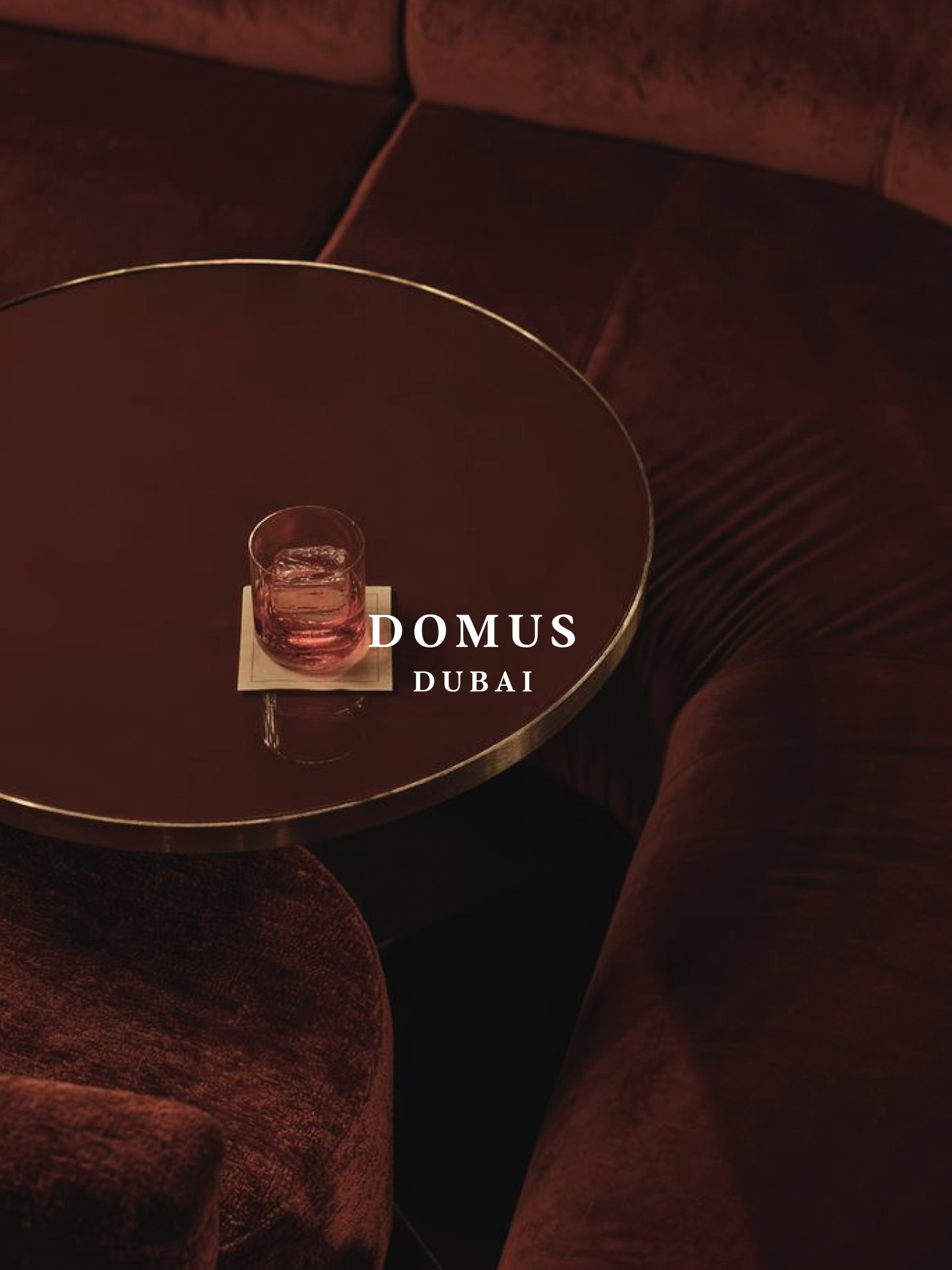
Pipeline Expansion: Dumos Lounge – Dubai Flagship
(Future Retail Confection Concept – Illustration Only)
Note: All details—including final location, design adaptations, partnerships, and operational model—are illustrative and subject to change during the research, feasibility, and R&D phases.
-
To establish Dumos’ first international presence in a premier GCC market, positioning the brand within Dubai’s vibrant luxury nightlife scene and reinforcing Dumos as a high-end cultural and hospitality label.
• Serves as a regional flagship: increases brand visibility and credibility across the Middle East.
• Acts as a benchmark for future international Dumos lounges and potential franchise or joint venture deals.
• Strengthens partnerships with Dubai-based influencers, artists, and premium suppliers to integrate Dumos into the city’s nightlife ecosystem.
-
• Core DNA preserved: 35% aged Roman ruin aesthetics + 65% modern luxury lounge styling.
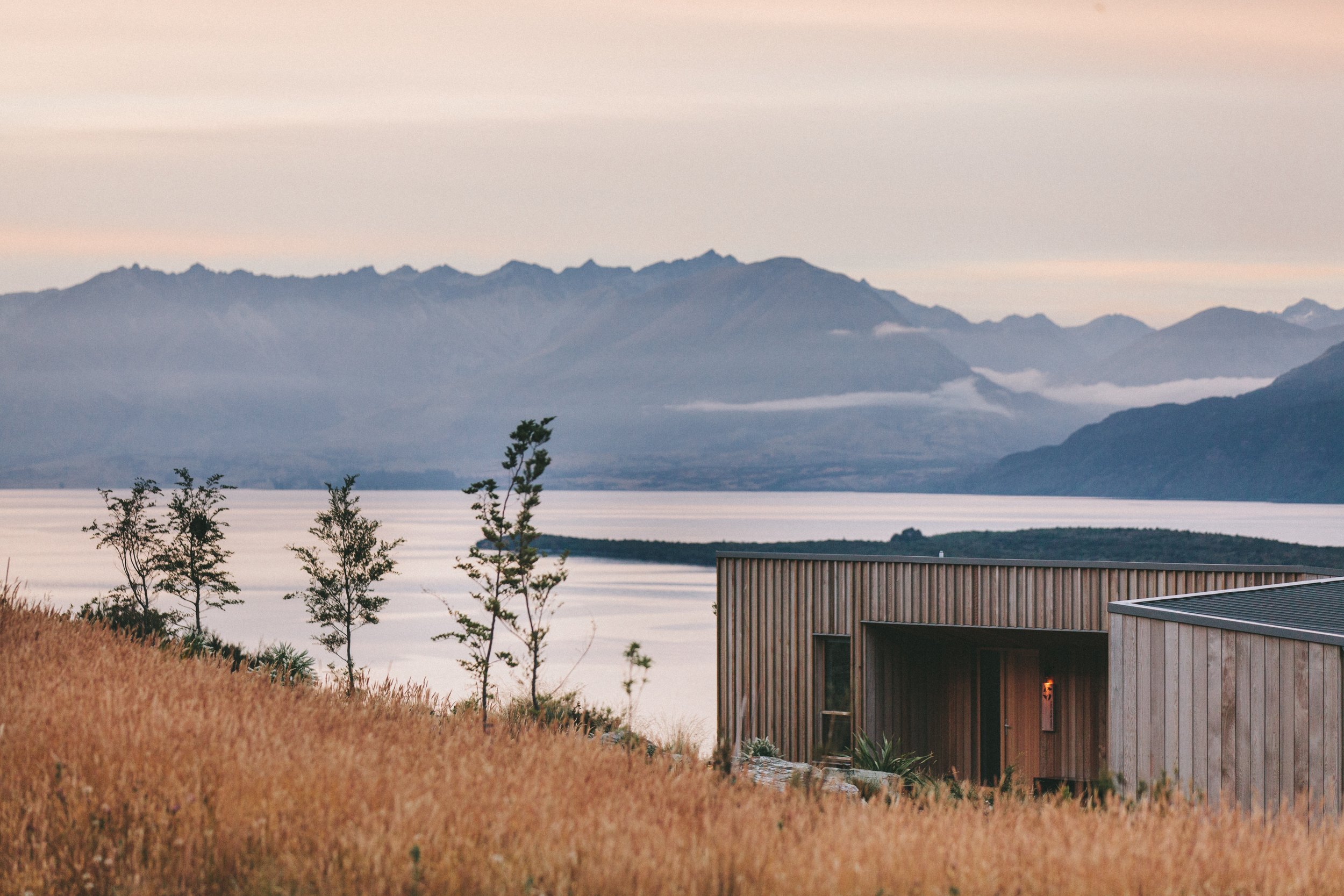
• Location preference: standalone villa or premium mixed-use development with outdoor terrace potential.
• Music programming: live acoustic/jazz sets on select nights, high-quality DJs for weekend energy, avoiding generic hotel lounge playlists.
• Menu: curated mixology program plus refined small plates, with signature dessert(s) such as Imperium Dates to cross-promote Dumos’ branded delights.
• Service: monochromatic uniforms (white/black/dark green) maintaining Dumos’ understated elegance.
-
• Positions Dumos alongside Dubai’s top-tier hospitality names.
• Builds a loyal GCC clientele that can drive demand for future Dumos locations and branded products.
• Provides a testing ground for potential café-format spinoffs or retail collaborations.
• Enhances Dumos’ PR, making it a recognizable name for global investors and collaborators.
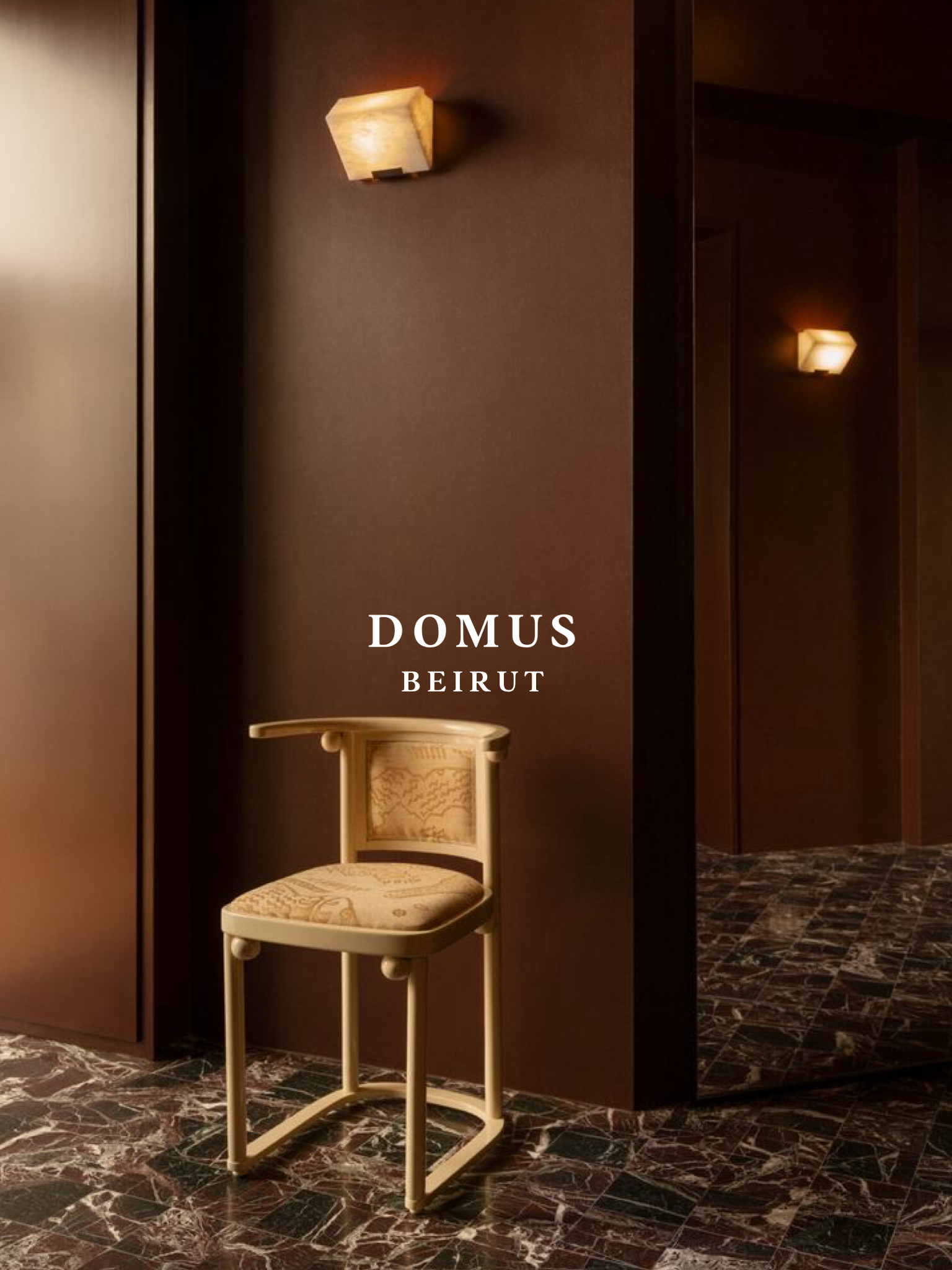
Pipeline Expansion: Dumos Lounge – Beirut Flagship
(Future Retail Confection Concept – Illustration Only)
Note: All details—including final location, design adaptations, partnerships, and operational model—are illustrative and subject to change during the research, feasibility, and R&D phases.
-
To establish Dumos’ first international presence in a premier GCC market, positioning the brand within Dubai’s vibrant luxury nightlife scene and reinforcing Dumos as a high-end cultural and hospitality label.
• Serves as a regional flagship: increases brand visibility and credibility across the Middle East.
• Acts as a benchmark for future international Dumos lounges and potential franchise or joint venture deals.
• Strengthens partnerships with Dubai-based influencers, artists, and premium suppliers to integrate Dumos into the city’s nightlife ecosystem.
-
• Core DNA preserved: 35% aged Roman ruin aesthetics + 65% modern luxury lounge styling.
• Location preference: standalone villa or premium mixed-use development with outdoor terrace potential.
• Music programming: live acoustic/jazz sets on select nights, high-quality DJs for weekend energy, avoiding generic hotel lounge playlists.
• Menu: curated mixology program plus refined small plates, with signature dessert(s) such as Imperium Dates to cross-promote Dumos’ branded delights.
• Service: monochromatic uniforms (white/black/dark green) maintaining Dumos’ understated elegance.
-
• Positions Dumos alongside Dubai’s top-tier hospitality names.
• Builds a loyal GCC clientele that can drive demand for future Dumos locations and branded products.
• Provides a testing ground for potential café-format spinoffs or retail collaborations.
• Enhances Dumos’ PR, making it a recognizable name for global investors and collaborators.
Lounge Development Advisory Roster
Purpose: To assemble a multidisciplinary council of specialists who will contribute targeted expertise to the creation, conceptualization, and refinement of the lounge’s physical, sensory, and experiential identity.
Nature of collaboration: Consultancy-based; each expert provides specialized input during key phases (concept design, prototyping, pre-launch appraisal).
-
Michael Neilson — Replication Specialist, The British Museum (expert in artifact reproduction, texture fidelity, and historical surface techniques).
Islam M. Athamneh — ancient antiques and archeology consultancy
• Purpose: To ensure material and aesthetic authenticity in any archaeological or cultural references.
-
• N/A YET, Spatial Designer / Architect (Hospitality-focused): Ensures spatial flow, ergonomics, and experiential hierarchy.
• N/A YET, Lighting Designer: Not just technical lighting — someone who understands mood dramaturgy (the choreography of light to shape emotion).
• Sound Environment Designer (optional but valuable): Crafts the sound texture of the space — ambient audio, spatial acoustics, material reflection. Not for music, but for atmospheric equilibrium.
-
• N/A YET, Culinary Concept Developer: A chef-consultant to define the menu direction aligned with the brand narrative (heritage, terroir, seasonal sourcing, etc.).
• N/A YET, Mixology Director: Develops the signature drinks and rituals — for luxury lounges, it’s crucial for identity.
• N/A YET, Sensory Experience Consultant: (optional) works across scent, taste, and texture integration — very high-end, often used in Michelin-level settings.
-
• Mohammad Al-Badri, Creative Director / Art Consultant: Defines the visual philosophy of the lounge — objects, color psychology, typography, brand DNA.
• Mohammad Al-Badri, Cultural Curator: If the lounge ties into regional or historical symbolism, this person ensures it’s done with intellectual and cultural integrity.
• Mohammad Al-Badri, Graphic & Interior Identity Designer: Merges brand language with spatial design (menus, signage, digital interfaces).
-
• N/A YET, Hospitality Operations Consultant: Advises on service flow, staff choreography, guest journey, and table service standards.
• N/A YET, Luxury Service Trainer: Ensures front-line teams embody brand tone and etiquette.
• N/A YET, Guest Experience Analyst: Evaluates sensory coherence and guest perception pre-launch.
Introduce your brand
Executive summary
Dumos is a lounge where drinks lead and food supports the social ritual — small, shareable, highly Instagrammable plates that are easy to execute, cross-utilize ingredients, and reinforce the Roman + Mediterranean story. Keep the core menu compact (12–18 items) with 2–4 rotating specials. Aim for food to be nibble-first, not entrée-first.
Menu architecture — categories & percentages (for a balanced 18-item menu)
(These percentages are practical, customer-behavior informed, and optimized for a lounge where beverage sales dominate.)
• Cold mezzes & spreads — 22% (4 items)
Easy to share, low cook-time, high visual appeal.
• Hot small plates — 28% (5 items)
The workhorses of the menu: flavor-forward, quick to plate.
• Grilled / charred / skewers — 17% (3 items)
Adds smokiness and theatre; pairs well with cocktails and whisky.
• Flatbreads / handhelds — 11% (2 items)
Carry comfort and satisfy hunger without becoming “dinner.”
• Large shareables / centerpieces (limited) — 11% (2 items)
For special tables/groups — keep only 1–2 so the menu stays lounge-y.
• Sides & accompaniments — 5% (1 item)
Bread, fries or a small seasonal vegetable side.
• Dessert / sweet finish — 6% (1 item)
One signature dessert or a plated sharing sweet.
Total: 18 items (this is the recommended balanced template). You can scale down to a Minimal (12 items) or up to a Full(20–22 items) using the same ratios.
Key operational & rules behind the numbers
• Menu size (12–18 items) — Hick’s Law & menu engineering: fewer, better-chosen items reduce decision fatigue and speed turnover. Lounges perform better with concise menus that are easy for bartenders and kitchen to execute.
• Food vs drinks revenue split — target 70–80% beverage / 20–30% food for a lounge model. Design menu to support (not cannibalize) drink-driven revenue.
• Average plates per person — plan for 1.5–2 small plates per guest on a lounge night. (This yields light satiety but keeps people ordering drinks.)
• Food cost targets — aim for a food cost % of ~28–35% on small plates (higher-quality ingredients justify higher price points). Validate with costing per recipe.
• Vegetarian & allergen — ensure 25–35% vegetarian options; label GF/VEG/VN/contains-nuts clearly.
• Cross-utilization — at least 60–70% of prep ingredients should be reused across multiple dishes (same spreads, dressings, pickles, herb oil) to reduce waste & labour.
• Rotation & seasonals — keep 2–4 rotating “specials” monthly to test new fusion ideas and create FOMO.
Portioning, plating & share strategy
• Small plate portion: sized to be shared — about 4–6 bites per person if ordered per guest. Design so 3–4 plates feed two people comfortably (depending on appetite).
• Share guidance on the menu: include suggested combinations or “How to order” guidance (e.g., “Order 2–3 plates per person for a full experience; mix cold & hot”).
• Sequence: Start with cold mezzes & bread, then hot plates, then flatbreads/centerpiece — service should follow this flow to keep the table active without overcrowding.
Menu psychology & revenue levers
• Hero items: 2 signature, highly shareable dishes (one cold, one hot) that are visually strong and margin-friendly — push these via server training and menu highlights.
• Price psychology: avoid currency signs on the menu; use even/rounded pricing aligned to your positioning.
• Upsell opportunities: pre-theatre pairings (cocktail + small plate), tasting dishes for two, late-night “bar bites” menu.
Ingredient & kitchen design implications
• Equipment: Plan for a small char/grill or plancha, one short-order stove line for sautés & sauces, chilled prep for mezzes, and pastry/dessert corner. (Avoiding full roasts or expensive sous-vide stations to remain lounge-focused.)
• Line organization: a 2–3 person hot line + 1–2 person cold station should handle most service if menu is compact.
• Prep model: maximising mise-en-place for mezzes, pre-cook proteins to finish on char to add theatre.
Metrics tracking in the pilot
1. Average check (beverage + food split) — target drinks 75% / food 25%.
2. Plates per cover — target 1.5–2 for lounge hours. If <1.2, push more food-focused offers/combos.
3. Food cost % by item — flag any item >40% cost and revise.
4. Seat turnover & dwell time — lounge nights may have higher dwell times; measure to optimize staffing and kitchen throughput.
5. Attachment rate — % of covers that order at least one dish; target >65% during lounge peak.
Quick checklist & next steps (actionable)
• Pick one Balanced or Minimal template above and hand to your chef for 3 rounds of tasting / costed recipes.
• Build a cross-utilization matrix (1 sheet) linking each ingredient to multiple dishes (critical to control costs).
• Draft a one-page “How to order” insert + pairing suggestions for the bar team.
• Run a 4-week pilot with the core menu + 2 rotating specials; collect POS data on plates-per-cover and food cost to refine.
If you want, I’ll now:
• generate a one-page concept food menu (designed text-only PDF) using the 18-item balanced menu above so you can attach it to your pitch; or
• produce an ingredient cross-utilization table and a starter costing template (Excel/CSV) you can give to a chef.